
Transportation and Logistics
Transportation and Logistics
Nothing happens unless something moves
This is a saying often associated with transportation and logistics, two separate but interconnected industries where the transportation of goods and products is at the centerpoint of an interconnected supply and distribution network. Without it, products, produce, and other necessary materials and nomenclature would not get to where they were going, meaning retailers would not get the goods they needed, and consumers would not get the products they asked for. This would not only lead to a decline in the standards of living we’re all accustomed to, but would also quickly lead to a costly loss of revenue for businesses. This in turn would eventually lead to job losses, which would then furthermore damage the economy, and be highly determinantal to society as a whole
Transportation and logistics are two separate industries, although they serve an inter-related function when it comes to the movement of goods and services throughout society
Transportation – is the physical movement and delivery of products, produce, and other nomenclature, and concerns 4 primary methods of transport
Shipping
Rail
Air
And trucking
Each of these areas is a distinct industry within our economies
Shipping
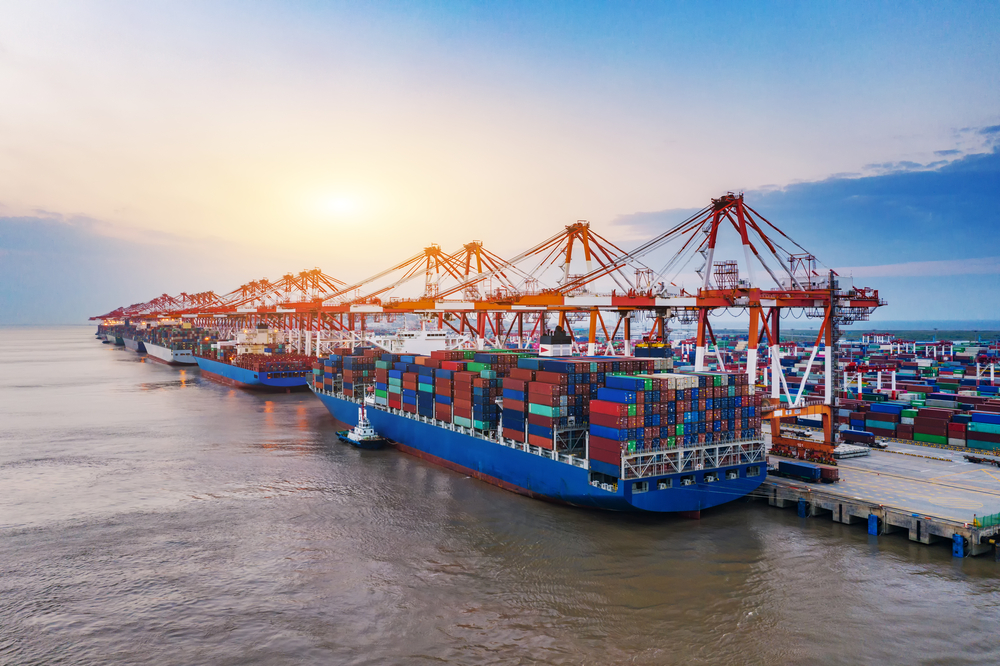
Shipping is a method of transportation used to move large quantities of manufactured goods and raw materials over long distances
Shipping plays a diverse role within the economy, serving not only as one of the main methods of cargo transportation, but also as a method of passenger transportation too, as well as serving as one of the most popular forms of vacation choices in the leisure industry on top of this
Where concerned as a method of haulage, roles within the shipping industry are considered to be varied, exciting, and well paid. Almost every role working on a ship is specialised to some extent and will need some type of qualification or certification, and these roles include the following
Able bodied seaman £32,812 – £43,264
Boatswains £41,708 – 64,909
Boatswain’s mate £36,196 – 57,482
Bosun £42,180 – 66,732
Deck officers £44,259 – £79,367
Engineering officers £42,348 – £59,212
Motorman £39,954 – £55,563
Shipmates £37,712 – £55,961
Ship captain £67,310 – £91,630

There are numerous qualifications and certifications that may be required for a career in the shipping industry, and depending on the role in question, can include things such as Engineering and Mechanical degrees, Certificates of Proficiency for Able Seafarers, Certificates of Competency, Certificates of Equivalent Competency, Certifications in Watch-keeping for Seafarers, qualifications in Personal Survival Techniques, Fire Prevention and Fire Fighting certifications, Personal Safety and Social certifications, Global Maritime Distress Safety System training, and Designated Security training, being among the main ones you’ll need
Shipping as an occupation can be hazardous, and will often times require you to work for long periods away from home. However, people in this industry are compensated accordingly, and not only is this a field with very good job security, but irrespective of what your role in, the pay is normally well above average compared to most other job fields. That’s why seafarers working aboard vessels in the shipping industry can earn anywhere from £32,812 to £91,630 depending on the role they perform
Rail Freight

Rail transportation is a method of freight hauling where goods are moved long distances across country by rail
Like the shipping industry, rail transportation also plays a diverse role within the economy, serving not only as an important method of freight haulage, but also as the third biggest mode of passenger transportation behind automotive and bus travel
While in some rail freight roles you’ll need a formal degree like civil or mechanical engineering (for engineering roles), or certifications like personal track safety for (train operator positions), unlike the other industries involved in the field of transportation, you can enter many roles within rail haulage with as little as a high school diploma or satisfactory GCSE grades. One of the big advantages this industry has over others in the transportation sector is that many roles will allow you to travel back and forth from work regularly each day, meaning you won’t have to spend long periods away from home on long, arduous journeys. On top of this, it is generally considered less hazardous field than other industries in the transportation sector too.
Jobs in rail freight haulage also pay above the national average, with salaries ranging from £18,803, to £63,800 depending on the nature of the role itself. Some of the main roles in the rail transportation industry include the following

Engineer £33,783 – £45,611
Ground staff £18,803 – £24,710
Mechanic £25,398 – £36,333
Rail operations £20,011 – £26,592
Railway signallers £26,819 – £38,401
Rail safety officers £39,367 – £53,290
Train driver £47,312 – £63,800
Air
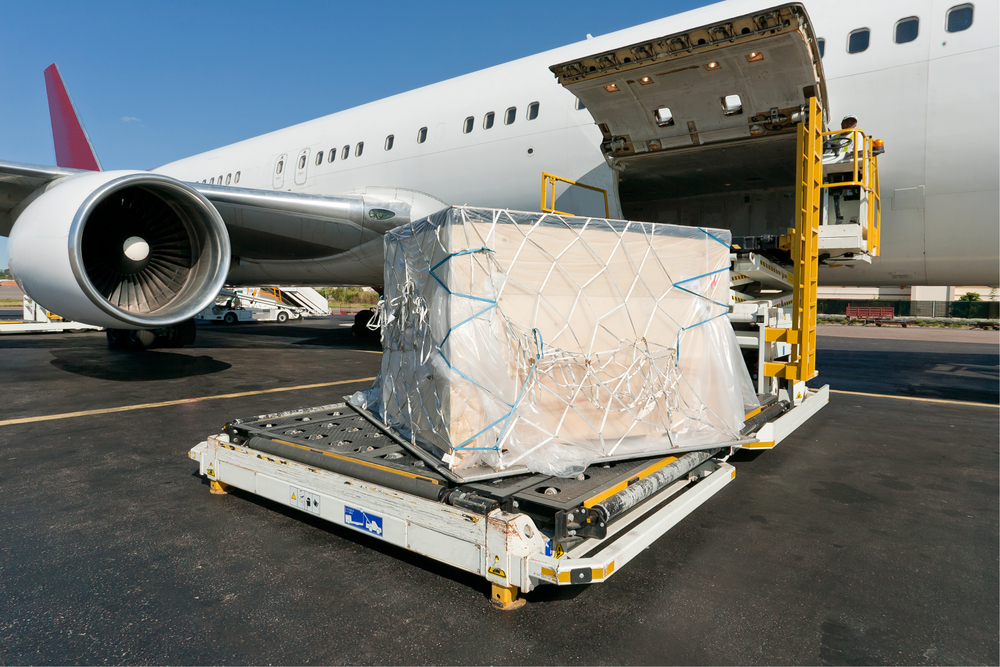
Air freight is an area in the transportation industry where goods are transported vast distances by air. While air freight means less cargo can be transported than other methods like rail and shipping, the advantages of air transportation is that goods can be moved quickly, and can be delivered to remote locations that are inaccessible by other modes of transportation
People tend to associate most air related roles overwhelmingly with passenger travel, and where concerned with freight transportation, the types of roles available tend to be viewed largely as a secondary consideration. While qualifications and degrees may be needed for most roles associated with air freight haulage – such as BBA Aviation Operations (Bachelor of Technology) for operational roles, Aeronautical Engineering for engineering roles, and Bachelor of Aviation Management for pilots, the full range of positions available consists of both skilled and unskilled work, some of which that can be entered into with minimal qualifications in the form of aircraft loaders and ground operations staff, although extensive background checks will be required for all roles
In this industry, roles that involve travel on aircraft usually require frequent short periods away from home, and although these are the roles that will be most highly paid, because of the menial nature of some of the other roles available, it means that salaries in the industry can vary greatly, and can range anywhere from £18,000 to over £120,000 depending on the nature of the role in question

Aircraft loader £18,000 – £27,324,
Aircraft mechanic £32,030 – £41,908
Flight operations £27,340 – £36,348
Ground crew operations £25,300 – £29,100
Pilot £60,000 – £120,000
Trucking
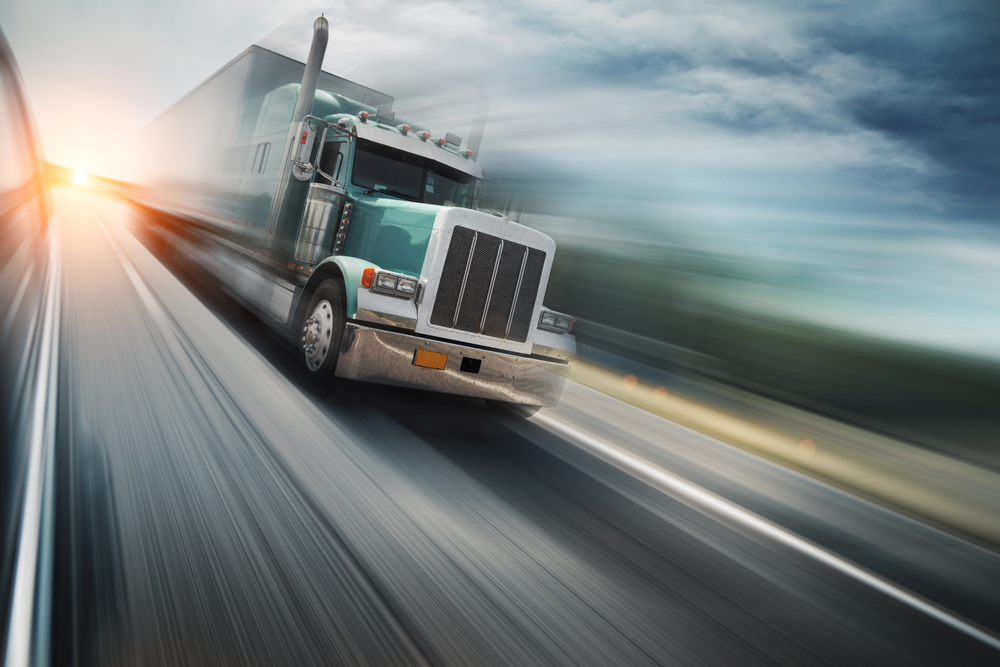
Of the various modes of transportation in the freight haulage industry, trucking is the most widespread and prevalent, and haulage trucks are a common sight on the roads and motorways around many of your nation’s towns and cities
Although where moving goods across any given land mass is concerned, rail is regarded to be a more cost-effective method of transportation, trucking not only allows for shorter range haulage, but furthermore, also enables goods and materials to be transported from airports, ports, and rail depots, straight to retailers directly, therein providing its biggest advantage over the other methods of haulage in the transportation sector
Trucking is considered to be a very solitary job, and those involved in the industry work long hours involving long periods of driving each day. It is also regarded as a somewhat hazardous occupation too, and accidents involving truck drivers that have happened after falling asleep at the wheel have been known to occur. With that being said, there is a communal and fraternal sentiment associated with the truck driving profession, and this can be found in the many truck stops and assorted online communities dedicated exclusively to this line of work. To enter this profession, you’ll need a commercial driver’s license, and those who do so will find themselves in a profession with above average pay and great job security. While the pay itself can vary considerably depending on the type of goods or materials you transport, there is another advantage that comes with being in this occupation, in that this is one of the rare professions where it’s relatively easy for a trucker driver with a clean commercial driver’s license to find new employment with another trucking company in the same line of work, although the drawback is that, like with many other vocations in the commercial transport sector, it means days at a time spent away from home and family
Truck driver £30,710 – £43,502
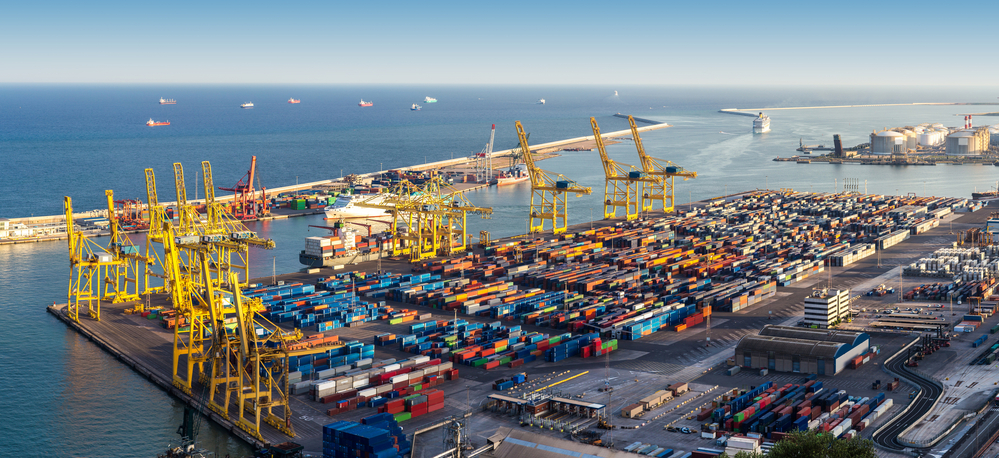
On top of the above roles, there are also various other types of skilled and semi-skilled roles you can perform within the transportation and logistics sector. Some of these will require the use of cranes, forklifts, and manual loading in the ports, rail depots, warehouses, and distribution centers that facilitate the intake and outgoing of these goods and materials. Other roles concern different areas necessary to facilitate the transportation of such goods such as security, inspection, and other administrative and bureaucratic functions. While many of these roles will require qualifications and certifications, the upshot is that you’ll be working in a career that is vital to the flow of commerce within and across your nation’s borders, performing duties that can be both challenging and exciting, and will usually enjoy above average pay and great job security