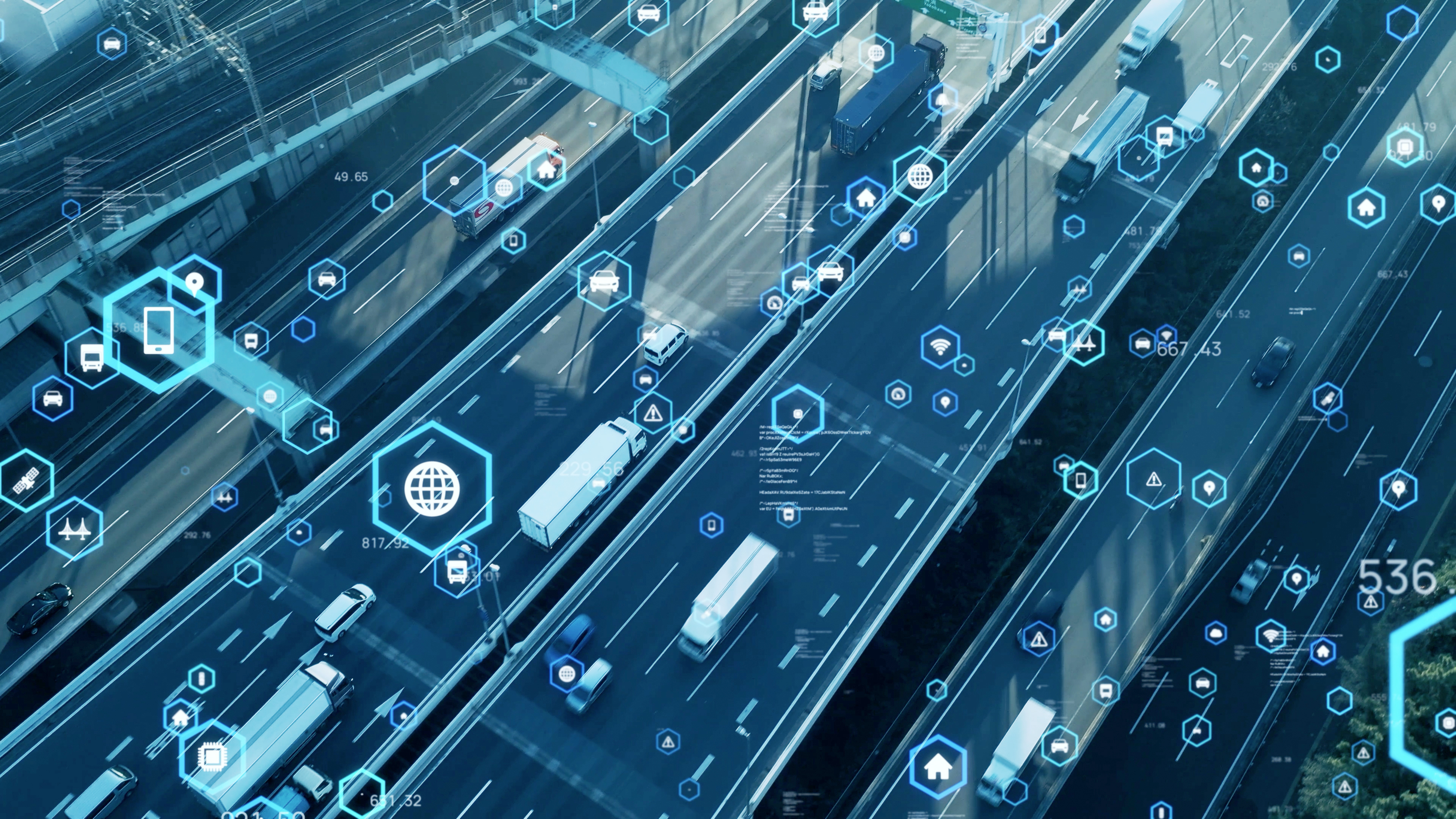
Transportation and Logistics
In order for goods to get where they are needed, a second element is required, and this comes in the form of the planning and coordination that is involved in the transportation of these goods and materials. It means that goods and services get to exactly where they need to be, when they are needed. This is the logistical component, and it ensures that deliveries and the associated costs involved are optimized as much as possible
Logistics concerns the planning and coordination that goes into arranging the transport and delivery of the goods and materials themselves. There are different areas in the field of Logistics that can be further categorized in the following ways
Global Logistics

Global logistics concerns the establishment of supply chains, involving longer term supply and distribution needs where moving goods across large distances, (usually from one country to another) is involved. Such global supply logistics often involve the use of intermodal transport systems
Procurement logistics

Requirements planning, procurement, and order controlling are all key parts of procurement logistics. In this field, the focus is on maximising efficiency by sourcing the raw materials needed to manufacture products and finished goods so they can be made ready to sell directly to the end consumer
Distribution logistics
Distribution logistics is concerned with delivering finished goods directly to the consumer. The processes involved in this type of logistics concerns maximising the processes and functions inside of warehousing and distribution facilities themselves. As such, it is concerned with efficiencies that center primarily around the fulfilment process
Reverse logistics
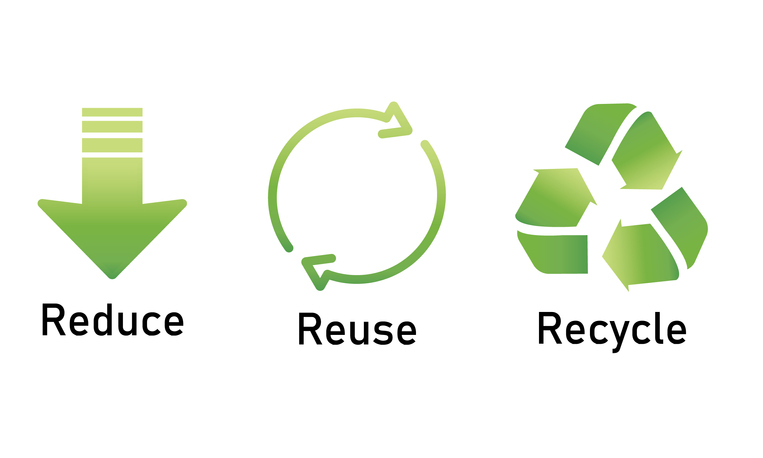
Reverse logistics is concerned with cutting the costs that occur in the process of sorting, packaging, storing, and transporting goods and materials, as well as with the processes of products being returned from buyers to their vendors. It focuses on reusing materials such as the scrap, surplus, as well as the recyclables like the pallets and packaging that are all used in the transport of goods and materials as a way of cutting costs during the transportation process
There are other types of logistics fields too such as
Advance Logistics – concerned with logistical pre-planning
Asset Control Logistics – concerns the use and distribution of products used in window displays
Green Logistics – concerned with minimizing the environmental impact of logistical services
Working in logistics will give you a stable and rewarding career in which to follow along, and no matter what the role, in logistics, you’ll be entering into a forward-thinking, fast-moving role concerned with efficiency and maintaining cost-to-effectiveness in everything that you do. Logistics roles are fast paced and challenging, but you will be compensated accordingly

Types of logistical roles
Fleet Support & Customer Service Coordinator £28,109 – £43,485
Logistics Controller £32,560 – £46,729
Logistics Planner £28, 935- £38,210
Logistics supply specialist £23,638 – £25,200
Supply analyst £26,700 – £35,238
Logistics is all about maintaining reliability, efficiency, and cost effectiveness where the transport of goods and materials is concerned. It is a highly targeted industry, and the type of metrics you might be working to can include things like monetary turnover, stock rotation, truck turning, or other types of quantifiables that can be measured by way of hard statistics. Logistics is a discipline that not only applies to the transportation of goods and materials, but to the actual processes used within warehousing or distribution environments as a means of improving efficiency during the storage and distribution of those same goods and materials as well. Roles in logistics can have an internal focus (goods received – inbound logistics) or an external focus (goods delivered – outbound logistics) and can encompass different areas including procurement, production, distribution, disposal, and 4PL, (which are fourth-party logistics)
The duties a logistician will perform are multi-faceted and will include things like purchasing, consultation, liaising with transport operators, inventory management, stock control, warehousing, monitoring the flow of goods, and organising the storage and distribution of goods among other things
In order to enter this field an employer normally will look for you to have a 4-year degree in an area like supply chain management, logistics management, or business administration. Although you can get into some logistics roles with as little as a vocational qualification such as a Level 3 Cilt Certificate in Logistics and Transportation, or other similar vocational training in transportation and logistics
There are also other areas of logistics too, such as humanitarian logistics, a term used to denote logistical operations where goods or raw materials need to be transported for humanitarian and relief purposes…as well as military logistics…which is concerned not only with the transportation of military assets to different parts of the world, but in wartime, also involves maintaining supply lines during military campaigns, which is vital in deciding its failure or success