The Best Guide to Enhancing Interview Performance on the Planet – Courtesy of Interview Professional
Any good interviewing expert will tell you that preparation is the key to success. But what exactly does this entail?
As we know, it takes no small amount of work and commitment to even get to the interview stage itself. That’s why, once you get there, you want to be able to deliver the best performance you can so that you have the greatest chance possible of landing the role
For the majority of people, going into an interview is usually a daunting task indeed. While we have already established that preparation is the first and most basic thing we can do to give ourselves the best chances of success, this can entail many things depending on the situation and type of job in question, with different types of preparation helping us in different types of ways (Building confidence, enabling self-reflection and continuous improvement, reducing anxiety, etc), that’s why when it comes to the sort of preparation needed specifically to help us enhance our interview performance, when we examine this area in more detail we will come to realise there are some interesting strategies we can adopt that will not only help us to do this, but that can also make us more eligible as candidates in the process – and we will examine these strategies in this section here now

There are several areas throughout this site that look at effective preparation methods such as using interview cheat sheets, preparing and rehearsing for important behavioural and competency based S.T.A.R. Interview responses, preparing effective self-introductions, researching prospective employers, as well as other sections that explore the most effective areas in an interview to emphasise overall. These sections are all highly beneficial as they each cover key aspects of the things you’ll need when it comes to preparing successfully for your next interview
The Best Guide for Dealing with Interview Nerves is also another key section that looks at some of the most useful preparation strategies we can employ, (this specifically with a view to the strategies we can utilise when it comes to alleviating nerves before the interview). In this section, we’ll evaluate some of the methods outlined there and expand on them a bit further with a view to how these can not only be used to alleviate interview nerves, but to how these can also be used to help us take our interview performance one step further by greatly enhancing our performance on the day of our next interview

What studies that have been performed on interview preparation have found
There have been many studies comparing the success of job applicants who prepare for their interviews versus those who go into their interviews having performed no preparation whatsoever
Many of these, like the study published in the Journal of Applied Psychology, found that candidates who prepared before their interviews performed significantly better than those who did not, resulting in a massively higher percentile, (over 67% of them), landing the role they interviewed for, versus those who prepared poorly or had done no preparation whatsoever
Self-Efficacy and Preparation
Similar studies on Self-Efficacy and Preparation also corroborate such findings too
Self-efficacy is defined as the confidence in one’s own ability to succeed
Studies performed on this subject have consistently shown that preparation increases confidence, and this has also been consistently linked with better performance when it comes to how candidates perform in their interviews overall. Further studies, like those performed in Personnel Psychology, have also repeatedly shown that candidates with higher self-efficacy demonstrate noticeably stronger communication and problem-solving skills, (this was derived from information gathered from interviewers who had been asked to provide feedback on their impressions of candidates after they had interviewed them)

The areas we will cover first in this section are
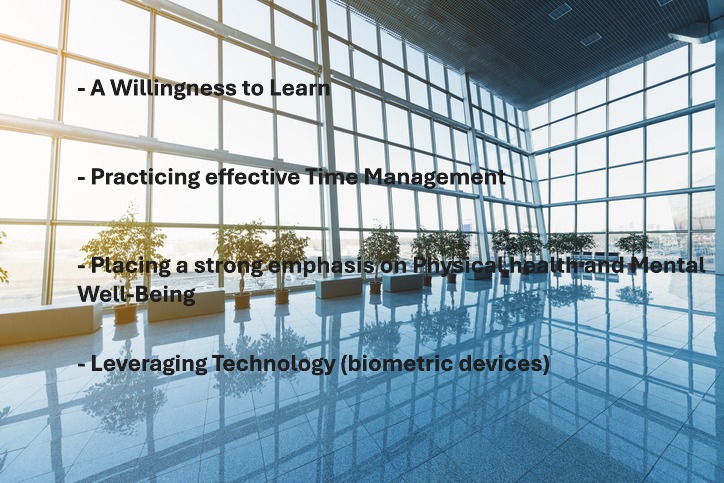
When it comes to the methods of effective preparation that we can use to enhance performance in the interview, the first few areas we should be focusing on are things that we will oftentimes already be doing as part of our basic interview preparation anyway. (So, assuming we’re actively doing these things…by focusing on and emphasizing these areas in an interview, it should not only enable us to talk about them with more confidence and clarity, but it should also enable us to give stronger answers to any questions the interviewer might have surrounding these areas too). Moreover, by going one step further and actively applying the principles from those areas to our everyday lives, it’s a surefire way to make ourselves more effective in our present job roles, while enhancing our overall eligibility and employability in the eyes of employers at the same time
PLACE AN EMPHASIS ON A WILLINGNESS TO LEARN/ CONTINUOUS IMPROVEMENT
This is a trait that has already been brought up in previous sections, and is particularly relevant when we consider the things we can do to enhance our performance in an interview as well, especially in light of the fact that sometimes people don’t even bother preparing for their interviews at all!
A willingness to learn is key when it comes to enhancing our interview performance and is recognised as a trait we need to intuitively use if we want to be prepared going into our interviews beforehand. Learning about the organisation and preparing before the interview helps in so many different ways, not only increasing our knowledge about that prospective employer, (which has been proven to naturally help boost confidence), but also helping to improve communicative ability, (which has been repeatedly associated with other essential things like helping to make a great first impression – in addition to helping us more effectively convey to an employer why we are the right fit for the role too)!
In a case where a salary has to be discussed, preparing by doing research on salary beforehand will also ensure you are able to negotiate more effectively too. These are all factors that will further help reduce anxiety so you can focus on presenting yourself and answering questions in the most effective ways possible. (See our worldclass section on Salary Negotiation here)

In the most intrinsic sense, preparing beforehand for an interview indicates a willingness to learn which is a big plus for any interviewer. In a circumstance where you are required to learn on the job skills, it’s always a trait you are heavily encouraged to emphasize in the interview anyway, so where you may need or want to highlight evidence of this, even if you have no other examples you can fall back on, the effective preparation you’ve done when it comes to researching that employer and preparing for the interview itself is something you can easily make reference to if you have no other work based examples to fall back on
For positions where you are expected to come into a role fully experienced and ready to undertake the proscribed duties with little in the way of onboard training or orientation mentioned in the job description, it may be more useful to reframe this willingness to learn as a focus on continuous improvement instead. Again, while solid work related examples of occasions where you have exhibited this are always preferable, by taking the initiative to do interview preparation in the lead up to the interview itself, as a candidate you are already exhibiting this trait because you are taking the time to research and learn about the company – and the preparation you engage in will enable you to present your skills and experience in a way that makes it as easy as possible for your interviewer to learn as much as they can about you as a candidate
PRACTICE EFFECTIVE TIME MANAGEMENT

Time management is regarded as an essential tool in the workplaces of today. It is a quality that enables you to make the most of your time so you can maximise your productivity while empowering yourself to work in the most efficient and organised ways possible
Employees who manage their time effectively can do more with the time they have, getting more done throughout the workday, and performing the tasks they undertake with more efficiency too.As far as it goes as a trait, effective time management is alot easier than it sounds. It mostly revolves around having the prescience of mind of knowing when the optimal time to perform certain tasks is, as well as applying best practices to your work by utilising the kind of organisation tools that can help you manage your time most effectively in the form of things like calendars, diaries, and organisational software. These are areas examined in more detail in our section on Methods of Effective Time Prioritization
By practicing effective time management, regardless of whether it’s in a personal or work related capacity, you’ll not only be empowering yourself to perform your duties in a way that makes you more eligible to any employer you speak with, but you’ll also be making it easier for yourself to talk about how you utilise this vital trait in your next interview too
PLACE A STRONG EMPHASIS ON PHYSICAL HEALTH AND MENTAL WELL-BEING

Interviewers are extremely interested in knowing about who you are as a person. That’s why interviewing experts often advise that going into an interview having resolved to place an emphasis on physical health and mental well-being as being one of the best ways to make a lasting impression when orientating your answers to build a solid foundation in an interview
While your lifestyle habits may seem irrelevant from a workplace perspective, they are far from it – these will have a direct bearing on how well you are able to perform in your role and, particularly from the interviewer’s perspective, how well you are able to fit into the culture of the company overall! Moreover, employers are well aware of this, and it’s for this reason that as a candidate, they are keen to learn as much about you as possible – not just about your skills and past duties as a candidate, but also as much as they can about who you are as a person too. That’s because things like your hobbies and interests, and in a broader sense your lifestyle choices, all lead directly into the effectiveness with which you are able to perform your duties for an employer
There will be lots to cover during your interview, and it will be up to you to decide for yourself which areas will benefit you most so you can try and incorporate these subjects into your answers as best you can. With this in mind, focusing on physical health and mental wellbeing always tends to work well as it always seems to take the conversation in a positive direction, in part because it tends to be a topic that interviewers typically relate well to, which leaves plenty of scope to build rapport and have a great conversation around any health related interests you or your interviewer might share. If you want to learn more about some of the great health and wellbeing techniques you can practice today, visit our section THE BEST GUIDE FOR DEALING WITH INTERVIEW NERVES ON THE PLANET – COURTESY OF INTERVIEW PROFESSIONAL, where we have discussed these in depth
LEVERAGE TECHNOLOGY

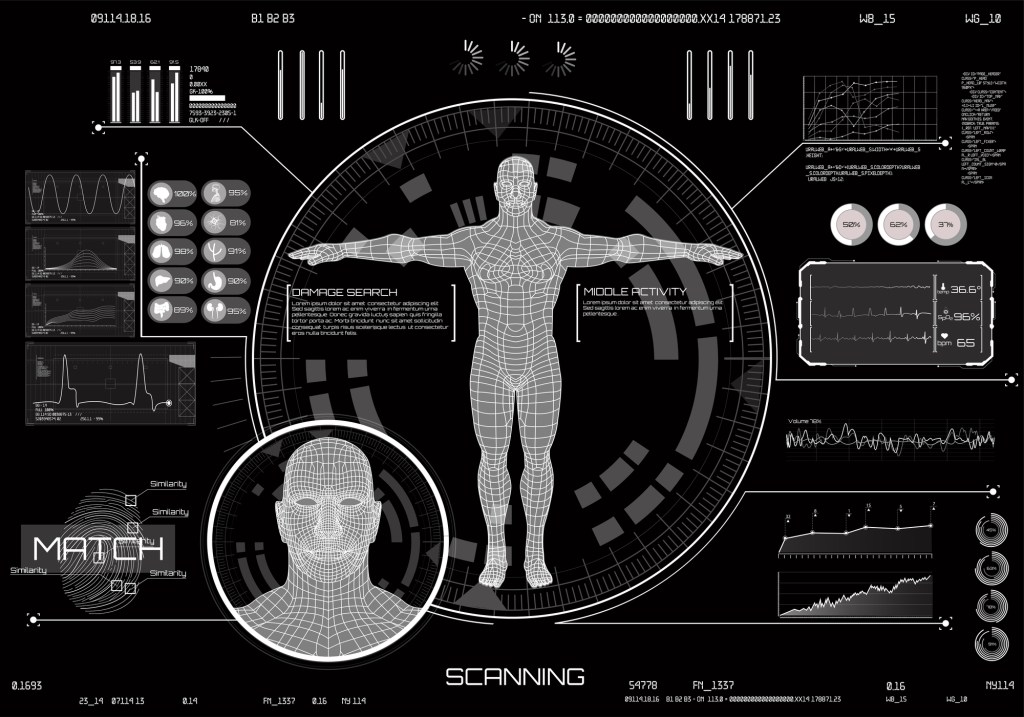
The use of technology is another potential ace you have at your disposal when it comes to enhancing your preparation in the lead up to your next interview. While such technology can include many types of things, when it comes to interviewing, this will primarily take the form of phone and online apps that can help you make the most of important meditation and mindfulness techniques that can be invaluable when it comes to getting into exactly the sort of frame of mind you’ll need before your interview begins. It also includes movement-based apps that focus on things like Yoga, as well as other types of apps based around breathing exercises that are also great for centring yourself before an interview too
Wearable technology is also another area you can potentially utilise to help you enhance your performance too, and by focusing on the biometrics that matter to you the most, you can take your preparation to the next level in the lead up to your interview so that you’re at your most effective when the big day finally arrives
❗biometrics to look for – Heart Rate

A lower resting heart rate indicates better stress resilience, while an increased heart rate is usually associated with higher levels of stress that can lead to nervousness and poorer cognitive function.
When it comes to maintaining heart function things like a healthy diet, (in the form of the intake of foodstuffs such as the Omega-3 fatty acids found in salmon, flaxseeds, and walnuts) ❗ performing regular cardiovascular exercise, ❗ ensuring you get proper sleep, and taking supplements, such as Magnesium, CoQ10, and L-Theanine (where required), are all really helpful for maintaining a healthy heart rate and good blood pressure in general
❗However, as far as interviewing goes in particular, making effective use of the mindfulness techniques that can empower you to stay calm and focused (outlined above) is the most effective method you have at your disposal as far as helping you effectively manage a biometric such as your heart rate is concerned
Sleep quality & duration

Good sleep enhances memory, focus, and emotional control, all of which are vital on the day of your interview. For this reason, it is recommended you aim for between 7-9 hours of quality sleep a day, especially on the night before your interview
Blood Oxygen Levels (SpO₂)

Low oxygen levels have been proven to lead to poorer cognitive function, fatigue, and anxiety. The good news though is that there are plenty of things you can do to increase oxygen levels so that you’re as ready as you can be on the big day
- Utilising Deep Breathing Techniques, as well as any form of basic exercise (like aerobics or Yoga) can help increase oxygen levels in your body, while at the same time also improving your overall energy and cognitive function too!
- Enhancing the air quality in your environment can help enormously too. This can be done by taking basic steps like opening windows to increase ventilation, using air purifiers to remove pollutants, buying indoor plants that release oxygen, as well as doing everything you can to reduce your exposure to smoke, dust, and other harmful chemicals
- Keeping yourself hydrated helps (because water helps blood carry oxygen around the body more efficiently!)
- Eating well helps too. Eating the right foods can boost oxygen levels. (This includes eating iron-rich foods such as lentils, and red meat. Nitrate-rich foods such as green vegetables, as well as antioxidant foods in the form of berries, nuts, and dark chocolates)
Monitor your cortisol & stress levels

High cortisol (stress hormone) can impair decision-making, memory, and speech fluency. The best way to manage this is to follow the steps outlined here, and, in conjunction with optimizing your social activity and emotional wellbeing activities, get proper rest, exercise, and eat properly. These are all areas that have also been touched upon in the section THE BEST GUIDE FOR DEALING WITH INTERVIEW NERVES ON THE PLANET – COURTESY OF INTERVIEW PROFESSIONAL
UTILISE A FOCUS ON CONTINUOUS IMPROVEMENT
Interviewers love it when you give an answer that shows you’ve thought introspectively about something. It conveys several important things to them; namely qualities like honesty, reliably, commitment (an employee who takes their duties seriously), and above all else, it demonstrates you are an employee who has their mind set on continuous improvement
This is important because nowadays interviewers will often look for evidence that you are able to take actions to identify areas where improvement is needed on your own, and that you are able to act on this without having to be asked. This is what continuous improvement is all about…and it’s regarded as a key core competency which is why its commonly sought after by many employers who frequently evaluate it in their interviews today
By taking the time to think about the areas that you can improve upon the most it will enable you to intuitively incorporate such responses easily into your answers without even trying.
More than this though, by taking the time to stop and assess your goals regularly, it can, at times, also enable you to identify and perform fundamental course corrections and adjustments at important times in your life…and such actions can impact fundamental areas such as personal wellbeing and career in a huge way!
Ideally, when it comes to continuous improvement, being focused as we are on employment with a view to enhancing our interview performance, an emphasis on career orientated improvement would be preferable. However, with that being said, if things come to mind that happen to be centred around lifestyle based continuous improvements that you’ve made in a personal capacity instead, these can still be very useful as far as interviewing goes too, as most interviewers will still equate any personally based examples you give with someone who has great potential as an employee to be committed to continuous improvement within their role!
The rest of the strategies we will review in this section are ones you will have come across in the previous section: The Best guide for Dealing with Interview Nerves on the Planet – Courtesy of Interview Professional
Here though, we will delve into a bit more depth with these strategies and explore how we can apply them in ways that can not only help us to alleviate interview nerves, but in ways that will allow us to take them one step further so we can use them to effectively enhance our interview performance
Such performance enhancement methods are evaluated here in ways that will enable you to make the greatest use of them as the effective cognitive tools that they are. In this way, instead of engaging in goal setting, imagery, or self-talk that is only mildly effective, by following the advice and methodologies outlined here, they will become as effective and as worthwhile as possible