
Maintenance
Technical and Maintenance Support Roles
Technical and maintenance work is essential for the smooth operation of industrial, commercial, and residential facilities. By maintaining equipment and systems, these tasks help prevent unexpected downtime, improve safety, and ensure that operations run as smoothly and efficiently as possible
Compliance Specialist: Is responsible for ensuring that all legal guidelines, industry standards, and internal policies are adhered to within an organization. In this capacity they safeguarding an organization against legal and regulatory risks

Compliance Specialist duties
Develops, implements, and maintains suitable compliance policies and procedures that follow all industrial and regulatory standards
Stays up to date with current laws, regulations, and industry standards
Updates policies and procedures to reflect changes in laws and regulations accordingly
Prepares and submits regulatory reports and documentation when necessary
Conducts risk assessments. Develops and implements measures to mitigate risks where compliance is concerned
Addresses compliance concerns at the organisational level
Is responsible for ensuring that employees are aware of, and understand all relevant compliance requirements and policies
Is responsible for generating and presenting compliance reports to management, as well as to regulatory bodies
Plans and conducts internal audits. Assesses compliance policies and procedures
Maintains accurate records of all compliance activities, audits, incidents, and investigations
Conducts investigations into compliance breaches and ethical concerns
Serves as the point of contact between the organization and regulatory bodies, and will respond to inquiries and requests from regulatory bodies accordingly
Develops and monitors the organization’s compliance program
Provides guidance and advice to management and staff on compliance related issues
Identifies opportunities for improvements where compliance processes and practices are concerned
Salary £25,645 – £44,312 depending on the employer, industry, and years of experience
Computerized Maintenance Management System Specialist: Manages a CMMS within an organization, enabling maintenance services to be streamlined, with parts, supplies, equipment, and other manpower resources properly sourced and allocated
Computerized Maintenance Management System Specialist duties
Performs system configurations and implementation by doing things like customising forms and workflows to match specific maintenance needs
Assists in the implementation of the CMMS, including data migration and system testing
Provides training to maintenance staff, supervisors, and other users on how to effectively use CMMS systems
Duties may extend to include the development of training materials, manuals, and guides for users
Provides technical support and troubleshooting for CMMS-related issues
Ensures data accuracy and integrity
Conducts data and inventory audits
Ensures that relevant tasks are triggered and completed within the CMMS system. Also creates, assigns, tracks, and updates work orders within it too
Identifies opportunities to optimize and enhance the use of the CMMS systems
May use CMMS to update schedules, as well as track and order inventory in the form of equipment and supplies
Generates and analyses reports on maintenance activities, including work order completion rates, equipment downtime, and maintenance costs
Provides insights and recommendations based on data analysis
Ensures that maintenance activities documented in the system database comply with all relevant regulatory and safety standards
Maintains up-to-date records of inspections, certifications, and compliance-related activities
May coordinate the integration of the CMMS with other systems as required
Manages user access and permissions within the CMMS system
Is responsible for maintaining security and will monitor the CMMS system to detect and address any unauthorized access or security breaches
Is responsible for continuous improvement and will be required to stay up to date with the latest trends and developments in CMMS technology through ongoing training and self-learning
Salary £46,322 – £121,488 depending on the employer, industry, and years of experience
Maintenance Clerk: Is responsible for managing maintenance records, parts inventories, and documentation. Their main responsibility revolves around providing administrative support to the maintenance department
Maintenance Clerk duties
Performs work order management functions, receiving and processing work maintenance requests into a centralised management system for assignment and completion
Is responsible for maintaining up to date records of safety inspections and certificates
Tracks maintenance requests and provides work order updates to departments and maintenance personnel. Will also update work order completions
Performs data entry, uploading data on requested maintenance assignments, along with other information such as updates on active work assignments into a database (like a CMMS)
Is responsible for maintaining accurate and orderly supply inventories
Is responsible for recording and updating all maintenance schedules, inspections, and repairs, and will also prepare and distribute maintenance-related documents to the relevant people and departments within an organisation. This includes work orders, reports, and memos, etc…
Monitors and manages inventory and supplies, and is responsible for placing orders for new supplies, ensuring that stock and parts are maintained at their optimum levels
Receives and checks incoming inventory
May assist in the scheduling of maintenance tasks and the assignment of maintenance activities, and will coordinate these with maintenance staff as well as with other departments as required
Is responsible for handling incoming calls, emails, and other correspondence related to maintenance activities, requests, and inquiries
Budgets and performs financial reporting for the maintenance department
Processes invoices and tracks expenditures related to maintenance activities. Also ensures payment of bills and invoices as concerns maintenance supplies and services
Assists with budget tracking and financial reporting for the maintenance department
Works closely with vendors and other 3rd parties to ensure reliable maintenance services are delivered and maintained. This includes maintaining up to date contact information for vendors and contractors, and coordinating with them to deliver the maintenance services required
Will provide clerical support to maintenance supervisors and technicians
May prepare training materials and other documentation to assist with the training and onboarding of new maintenance staff
Salary £19,890 – £29,645 depending on the employer, industry, and years of experience
Maintenance Planner: Plans and schedules maintenance activities to ensure the efficiency of maintenance operations. Does this with a view to optimizing available manpower resources and minimizing downtime
Maintenance Planner duties
Performs work order management in the form of receiving, reviewing, and prioritizing work maintenance orders
Is responsible for developing detailed outlines for maintenance tasks involving the steps, materials, procedures, and equipment required
Assigns work orders to maintenance personnel
Creates and coordinates preventive and corrective maintenance tasks with production teams to minimize disruption. Updates and adjusts them as required
Will distribute maintenance schedules and is responsible for communication and cross collaboration between maintenance personnel and other departments. This is done with a view of minimizing production downtime and extending the service life of equipment
Is responsible for maintaining the inventories required to perform maintenance tasks, and as such will order parts and supplies as required
Schedules maintenance tasks and work order assignments based on priority, manpower availability, and department schedule times
Monitors the status of maintenance activities, tracks work order requests, updates schedules, and reallocates resources as required
Evaluates statistical data and identifies opportunities to improve maintenance processes and efficiencies
Ensures that all maintenance activities comply with the relevant safety and industrial regulations
Is responsible for ensuring proper training is delivered to maintenance personnel
Utilises computerized maintenance management systems (CMMS) or enterprise asset management (EAM) software to help them perform tasks and assignments
Is responsible for coordinating emergency maintenance repairs as required
Is responsible for maintaining accurate records of personnel, attendance, maintenance schedules, supply inventory, etc
Salary £24,577 – £32,821 depending on the employer, industry, and years of experience
Maintenance Trainer: Develops training programs and trains maintenance staff on the proper use of equipment and procedures
Maintenance Trainer duties
Creates bespoke training programs for maintenance personnel based on organisational needs
Will present training material in the form of manuals, videos, and hands-on exercises
Is required to update training content regularly to accommodate for new procedures, technologies, and safety standards
May be required to present training in different environments and formats, including classroom settings, hands-on settings, and workshops
Will be required to employ a variety of different training methods such as lectures, demonstrations, and practical exercises, depending on the nature of the training in question
Schedules training sessions
Collects feedback from trainees and supervisors to improve training programs
Will issue surveys, interviews, and skills assessments. Helping them understand ongoing training needs to assess their effectiveness
Communicates with management and maintenance supervisors to ensure that the relevant training materials are being delivered
Coordinates with external training providers or vendors as required
Maintains accurate records of all training activities, including attendance, training materials, and assessment results
Tracks the training history of maintenance personnel and ensures that all required training is up-to-date
Generates reports on training activities and outcomes for management to review
Is responsible for booking and arranging training rooms, and for sourcing and managing the relevant equipment and materials required to conduct the training itself
Is required to update their skills regularly through continuous improvement so as to ensure they have they have the most up to date and relevant knowledge, including staying up to date with changes in regulations and standards. In doing so, they are confidently able to deliver the best training possible
Salary £26,780 – £46,356 depending on the employer, industry, and years of experience
Quality Control Inspector: Ensures that products meet organisational and regulatory standards of quality, reliability, and performance
Quality Control Inspector duties
Performs inspections, tests, and evaluations to identify defects and to ensure that regulatory requirements are being met
Takes measurements and conducts tests using sophisticated instruments and equipment
Ensures that inspection and testing equipment is calibrated and properly maintained. Is also responsible for arranging the repair or replacement of faulty equipment as required
Compares products to specifications and standards to identify any deviations or discrepancies
Is required to maintain detailed records of all inspections and test data
Prepares and submits reports on product quality. Will report any defects and the resultant corrective actions taken, and will carefully document product non-conformances, ensuring the proper tracking and resolution is taken
Monitors production processes to ensure consistent quality output and to verify that production processes adhere to quality assurance procedures
Collaborates with production teams and management personnel to ensure the quality of the end product
Is responsible for identifying areas for process improvements and for recommending changes that may enhance the overall end result of product quality
Initiates corrective and preventive actions to address root causes in defects
May train production staff on quality control procedures and best practices for maintaining quality standards
Employs statistical methods to analyse and identify trends
Communicates with suppliers to resolve issues with product quality if required
Conducts final inspections before products are shipped to their destination
Addresses complaints related to product quality, and may investigate quality issues reported by customers, implementing suitable resolutions as required
Prepares for, and participates in, regulatory audits and inspections
Ensures knowledge regarding products, product standards, and regulatory requirements is current and up-to-date
Salary £30,827 – £53,001 depending on the employer, industry, and years of experience
Safety Officer: Ensures that all health and safety standards, as well as all safety regulations, are observed within the workplace
Safety Officer duties
Develops, implements, and monitors safety policies to make the workplace safer. Done with a view of ensuring compliance with all legal and regulatory standards
Conducts regular risk assessments and safety inspections
Recommends and implements measures to reduce safety risks and hazards
Is responsible for maintaining accurate records of risk assessments, as well as records of any safety measures or policies implemented within the workplace
May be required to not only conduct, but to compose safety training sessions for workplace personnel
Investigates workplace accidents and injuries, and will respond to feedback on suggested safety improvements accordingly
Prepares detailed reports on incidents and recommends corrective actions
Addresses employee safety queries and concerns
Collaborates with management, HR, and other relevant departments to implement safety policies and changes within the workplace
Is required to stay up to date with the latest legal regulatory requirements and safety regulations
Monitors the effectiveness of health and safety initiatives within the workplace. Will also closely monitor safety incidents within the workplace and respond to them with the appropriate measures
May compile and distribute newsletters, bulletins, and other communication materials concerning health and safety compliance within the workplace
Provides support and advice to employees on safety and regulatory-related issues within the workplace
Salary £26,388 – £41,885 depending on the employer, industry, and years of experience
In addition to the roles outlined above, you can expect to find many other specialised types of industry maintenance roles as well. These are highly skilled and will usually require advanced degrees and qualifications. An overview of them has been provided below

Specialized Industry Roles
Aircraft Maintenance Engineer

Focuses on the maintenance of aircraft and aviation systems.
Is responsible for inspecting, repairing, and servicing aircraft and their related components to ensure airworthiness and compliance with aviation regulations
Biomedical Equipment Technician

Specialises in maintaining and repairing medical equipment. As such will calibrate medical devices, troubleshoot and repair faults, and ensure compliance in line with healthcare service standards
Civil Maintenance Engineer
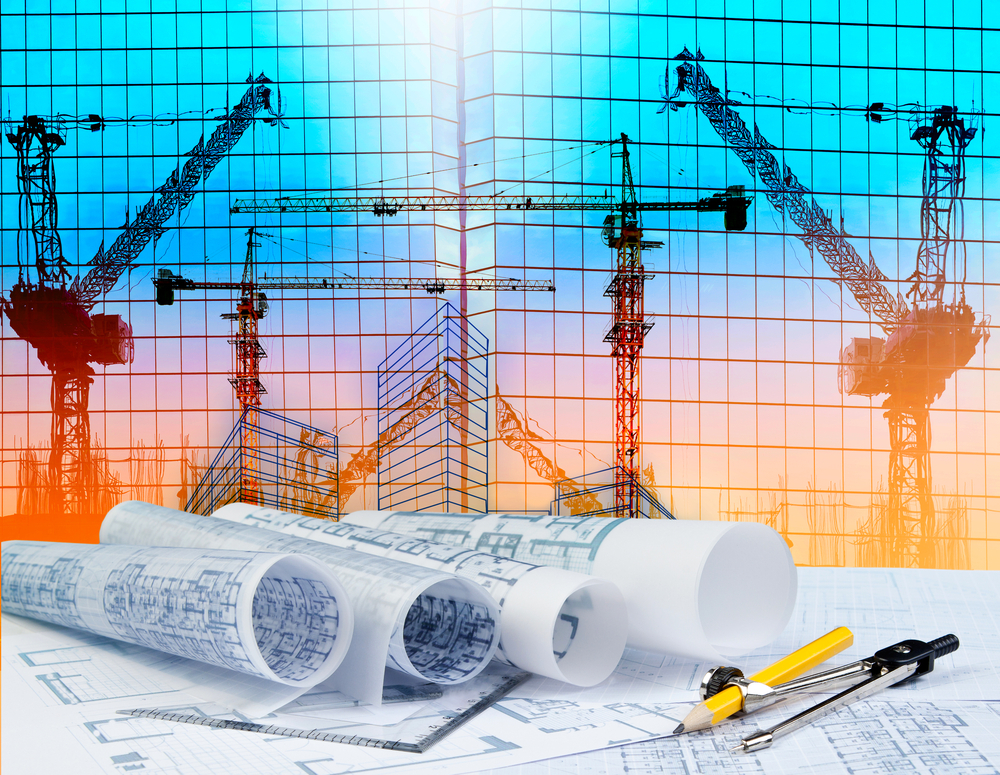
Is involved in the maintenance of infrastructure such as buildings, roads, bridges, and other civil structures. Responsibilities include inspecting and repairing structural components, managing building maintenance, and ensuring compliance with safety regulations
Elevator Maintenance Technician

Specializes in maintaining and repairing elevators and escalators.
In this capacity they will perform routine inspections, troubleshoot malfunctions, and perform emergency repairs, in line with all relevant regulatory and safety standards
Equipment Maintenance

Is an area of maintenance engineering that centres exclusively on the maintenance of rotating machinery in the form of things like rotors and turbines
Field Service Engineer

Provides maintenance and repair services for equipment and appliances at customer sites.
Travels to various locations to perform on-site troubleshooting, repairs, servicing, and maintenance work
Marine Maintenance Engineer

Is responsible for maintaining and repairing various types of marine equipment such as ships, seacraft engines, offshore structures, navigation systems, power systems, propulsion systems, integrated bridge systems, electronics, and more, etc
Nuclear Maintenance Engineer
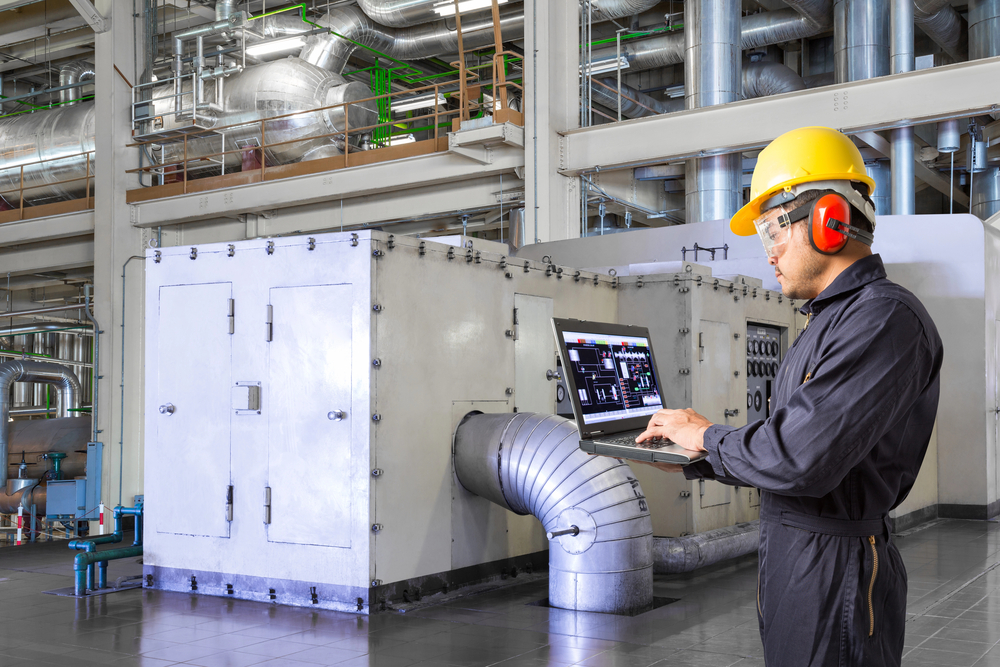
Specializes in the maintenance of nuclear power plant systems, onboard reactors, and other nuclear related equipment.
Ensures the continual safe and reliable operation of nuclear reactors and their related systems, adhering to strict safety and regulatory standards
Oil and Gas Maintenance Technician

Is responsible for maintaining and repairing equipment in the oil and gas industry
Plant Maintenance Engineer

Works in industrial plants and factories, overseeing the maintenance of plant equipment and machinery.
Responsibilities include managing maintenance schedules, troubleshooting equipment failures, and coordinating with other departments to ensure the smooth continuality of ongoing operations
Process Equipment Maintenance

Involves the maintenance of specialized process equipment used in industries such as chemical processing, pharmaceuticals, food processing, oil refining, and facilities maintenance
Reliability Maintenance Engineer

Focuses on improving the reliability and performance of equipment and systems.
Uses reliability engineering principles and predictive maintenance techniques to prevent failures and optimize maintenance schedules
Manufacturing Maintenance Engineer

Specializes in the maintenance of manufacturing equipment and production lines.
Ensures the smooth operation of machinery used in manufacturing processes, with a view to reducing downtime and improving productivity
As a profession, maintenance represents a diversity of roles that reflects the broad range of industries and applications found throughout the economy where it is practised today. This ensures the efficiency, reliability, and safety, of the various types of machines, equipment, systems, vehicles, and facilities that are utilised and relied upon by employees and customers the world over
While each one of the maintenance roles discussed in this section requires a requisite knowledge and proficiency of maintenance skills specific to that industry, it is also important to keep in mind that maintenance is not simply about using basic tools and equipment; it can oftentimes involve using more sophisticated types of equipment and instrumentation too. (Especially for skilled kinds of maintenance roles where more advanced methods of maintenance may be employed in the form of things like Condition Based Maintenance, Predictive maintenance, Predictive replacement, Preventive maintenance, etc…)

As much maintenance is scheduled for times when facilities or equipment is not in use or offline as possible to try and reduce any loss to productivity or disruption to services. For that reason, when applying for any maintenance role, it tends to be helpful to emphasise an ability to get things done within scheduled timescales. To this end, preparing before your interview with things like competency-based examples can be helpful, especially with examples that explain how problems are encountered and overcome
Lastly, remember that as a profession, maintenance is typically concerned with the goals of improving equipment reliability, extending service life, reducing breakdown incidents, decreasing the costs of further maintenance, and minimizing the downtime lost to breakdown incidents