
Maintenance
Maintenance as it is practised as a profession today is a fairly nascent one
Maintenance professionals are responsible for inspecting, servicing, and repairing any number of different types of machinery, facilities, vehicles, equipment, and systems, across a wide plethora of various industries
As a vocation maintenance is necessary to prevent breakdowns, prolong lifespan, and ensure that buildings, vehicles, and other important equipment continues to work as efficiently and safely as possible

Maintenance professionals can be found throughout numerous types of fields and sectors including aerospace, armed services, construction, facilities management, healthcare, manufacturing, mining and logging, transportation, utilities, as well as numerous other industries throughout the engineering sector today
The duties of a dedicated maintenance professional will vary drastically depending on the nature of the industry in question. They may work in places like factories, power plants, hotels, maintenance bays, and residential or commercial buildings…overseeing maintenance on of a wide plethora of important infrastructure and nomenclature such as vehicles, systems, facilities, and equipment… these include things like HVAC systems, electrical systems, production machinery, building infrastructure, and more
What are the types of duties you can expect to perform as a maintenance professional?


It may be surprising to learn, but there are a variety of different roles in the field of maintenance, and each requires a different skillset and qualifications. That’s why anyone interested in entering into a maintenance role should first and foremost decide on what industry they want to work in
Ask yourself…would you rather work in a maintenance bay? Or on a ship out at sea? Would you rather work in an air-conditioned building, or in a more productive capacity on a busy factory floor? Once you decide these things, you’ll be able to narrow down the number of relevant maintenance roles available to you; then you can start taking the necessary steps to get the qualifications you’ll need to enter into your dream maintenance role
The skills and qualifications maintenance professionals need may vary drastically depending on the exact nature of the role in question. These skillsets and qualifications can encompass a wide variety of areas, including the following:

Electrical
Equipment installation, commissioning, and optimization
General facilities maintenance
HVAC (Heating, ventilation, and air conditioning)
Mechanical repair. (Including rebuilding, overhauls, and alterations)
Plumbing
Rail, Aeroplane, Ship, or Vehicle maintenance
Systems maintenance
Use of computerized maintenance management systems (CMMS)
Writing reports and keeping accurate logs of all maintenance activities
What can you expect in a maintenance role?

One of the upshots of working in the maintenance profession is that you will typically only be responsible for answering to one person or department, like a facilities manager, so in this respect you won’t have the same type of demands placed on you that you might find in many other types of professions, for example, like frontline work, where you usually have to deal with the demands of many different types of different people each day. Simply being aware of this can enable you to tailor your responses in a maintenance interview…(especially when it comes to prioritising the areas in the interview you might like to rehearse – like S.T.A.R interview responses). For example, knowing that you’ll typically be dealing with one person, emphasizing the strong relationship you had with your supervisor in current or previous roles may be one possible strategy you could choose to employ in a maintenance interview

When it comes to maintenance roles, workers typically do their job in the background, and are relied upon by an employer to ensure that facilities are clean, equipment is safe, and machinery and vehicles are well maintained and functioning at optimal levels. Interviewers will typically be looking for you to exhibit evidence that you can do the job reliably, that you can adhere to a schedule and follow instructions well, that you can pay close attention to detail (for instance noticing issues that might require further maintenance so they don’t develop into larger issues) that you can work as part of a team and collaborate well with others, and that you have the requisite hard or job specific skills required to do the role itself
What is maintenance?


Maintenance roles are usually described by the acronym MRO, which stands for maintenance, repair, and overhaul. At its core, it involves keeping machines, systems, vehicles, facilities, and equipment, well-maintained and running at optimal levels. In a more fundamental sense though, it involves keeping workplaces running as safely and as smoothly as possible, and is undertaken with a view to minimizing downtime, maximizing productivity, and extending the service life of machines, systems, vehicles, facilities and equipment for as long as possible
Most maintenance is usually planned around hours when workplace operations are at a minimum to prevent disruptions and unnecessary downtime
As a profession, maintenance is typically concerned with extending service life, reducing breakdown incidents, and minimizing downtime due to breakdown occurrences.
You may want to keep this in mind if you are applying for a maintenance-based role. It may also be a good idea to develop at least one competency-based example involving them, as you are likely to encounter questions about these things in a maintenance interview
Lastly, in any role involving maintenance there are different types of maintenance techniques you can expect to perform, and each of these requires different kinds of expertise and qualities to be performed effectively. Descriptions outlining each of these different maintenance types have been outlined below
Breakdown Maintenance

This is one of the most basic types of maintenance there is. It involves fixing equipment, machines, vehicles, and systems as and when they break down with the basic purpose of restoring their functionality. This type of maintenance is unplanned and there can be additional costs associated with it due to the extensive repairs it sometimes requires, along with the unplanned nature of the downtime surrounding it. This is why many organisations prefer to look at alternative approaches that work in conjunction alongside breakdown maintenance to minimise disruptions to workplace productivity and reduce the overall costs incurred when this type of unplanned maintenance is needed
Condition Based Maintenance

Involves the proactive replacement of worn parts and components before they break down completely. This type of maintenance may involve lubrication and fluid changes, the installation of alternative or additional components, or even partial and complete overhauls
(Condition-based maintenance is usually prioritised based on the age and condition of the thing in question – for this reason, it heavily relies on instrumentation integrated into equipment, vehicles, machinery, and systems, as these enable the most effective assessments of when condition-based maintenance may be required, and wireless-based systems are also used to this end as well)
Condition based maintenance is performed with the view of minimizing costs when it comes to replacing spare parts with a long-term perspective in mind, as well as with a view to making cost savings where systems downtime and costs spent on replacing spare parts where breakdown and corrective maintenance is concerned. However, even with these factors in mind, it is not always regarded as the most effective type of maintenance by some professionals. This is because there can be a high-cost value associated with replacing parts in the first place. Maintenance time may be divided disproportionately when it comes to equipment, vehicles, machinery, and systems worked on where condition-based maintenance is concerned as well. For this reason, it is a maintenance procedure widely used for safety where regulatory requirements are concerned
Corrective maintenance

Is regarded as another one of the most basic maintenance types. It involves repairing or replacing equipment and components after visible wear, malfunction, or break down is detected. As such, corrective maintenance can be both be both planned, (where an issue is detected while that item of nomenclature is still operational), or unplanned, (fixing an issue after a problem has occurred with it). Much corrective maintenance is done with the aim of preventing larger failures once an initial issue has been identified, although there is a reactive component to corrective maintenance as well (fixing an unplanned issue when it occurs). Overall, this is a type of maintenance that takes a comprehensive approach that aims to not only address immediate issues that are detected, but to also address underlying causes to prevent further breakdown problems and optimize improvements in overall reliability
Planned maintenance

Planned maintenance is more of a category rather than a specific form of maintenance. It refers to maintenance activities that are scheduled in advance. Much of the maintenance performed within the profession today falls under this category. Such scheduling is based on factors like service life, extent of usage, and other specified criteria, (particularly if industry regulations stipulate that maintenance needs to be done at specified times). Planned maintenance encompasses maintenance activities that include not only routine maintenance, but preventive maintenance, and also corrective maintenance too. It is important to note that planned maintenance is another approach that is proactive in its nature, as such, the following can all be regarded as subcomponents of planned maintenance in the instances they are planned in advance
Routine maintenance, Preventive Maintenance, Condition-based maintenance,
Predictive maintenance, Predictive replacement.
In these instances, they would all be referred to as the following
(Planned) routine maintenance, (planned) Preventive Maintenance, (planned) condition-based maintenance, (planned) predictive maintenance, (planned) predictive replacement
Predictive maintenance

Predictive maintenance involves maintenance done with the express purpose of servicing equipment to determine when more extensive types of corrective maintenance may be required. This approach is utilised to save money over time by trying to predict future service needs. Predictive maintenance involves a forward-thinking approach that enables corrective maintenance to be scheduled at the times when it will cause least disruption, ensuring that downtime is minimized and safety maximised, all of which can have the desired effect of saving companies money and keeping them compliant both at the same time
Predictive replacement

This is maintenance that involves replacing the parts or components on a vehicle or piece of nomenclature while it is still in working order. It is typically utilised as part of an organisations maintenance strategy when there is some cost-based incentive, usually tax related. On this incentivized basis, predictive replacement is undertaken with the purpose of replenishing older items, equipment, machines, and supplies with newer ones, usually in batches. These might be disposed of, re-supplied to other departments, or donated to charitable organizations. Predictive replacement is usually based on the predicted service life of that specific piece of nomenclature in question
Preventive maintenance

Preventive maintenance is another one of the most common types of maintenance. It involves servicing machines, equipment, vehicles, and systems at regular intervals. This is a maintenance strategy implemented with the purpose of keeping things running as safely and efficiently as possible – not only to avoid accidents and unexpected breakdowns that can costly downtime to resolve, but also to ensure that smaller problems don’t develop into larger, more costly time-consuming ones. Some preventive maintenance may also be required as part of the regulations for that industry.
(Testing, servicing, calibration, inspection, adjustment, alignment, and installation constitute the seven principles of preventive maintenance)
Routine maintenance

This is basic maintenance work like cleaning, inspections, and minor adjustments or calibrations. It is performed at regularly scheduled intervals, usually on a daily, weekly, or monthly basis, and is performed with the sole objective of ensuring the safety and reliability of the specific system or piece of nomenclature in question
There are other important aspects involved with maintenance too. Such as:
Training, accreditation, and qualifications
While some maintenance roles can be entered into with a high school diploma or GED, more highly skilled roles may require advanced degrees or technical diplomas in areas like industrial maintenance, mechanical engineering, electrical engineering technology, or other areas that are relevant to that industry in question, which is why training and accreditation is another important aspect involved in many types of maintenance roles today
In addition, certifications will often be required for skilled maintenance roles too; like the Certified Maintenance and Reliability Professional (CMRP) certification, the HVAC Certification for maintenance professionals who work on heating, ventilation, and air conditioning systems. The journeyman electrician license or other relevant electric certifications for those who maintain electronic circuitry and systems as part of their dedicated job duties. Or certificates that involve training in areas like vibration analysis, thermography, and ultrasonic testing that are needed for some skilled types of preventive maintenance roles
Accurate recording keeping

The ability to accurately record maintenance activities is also a fundamental part of any maintenance professional’s role too. This doesn’t involve any technically advanced skill or qualification; it simply requires the ability to pay close attention to detail and an ability to communicate effectively, (especially where written communication is involved), which is necessary when logging maintenance activities and writing up maintenance reports
It’s also important to note that in a maintenance role you may not only be required to write reports and log maintenance activities, but will also need to read and review them too. For this reason, reading comprehension (the ability to read information and decipher meaning from it) may also be another important quality where some maintenance roles are concerned. These are all core competencies, and are all commonly evaluated in maintenance interviews. That’s why it may be worthwhile reviewing these further ,and you can do so in the core competencies and Must have interviewing skills here
https://interview-professional.com/core-competencies-and-must-have-interviewing-skills/
Maintenance for regulatory compliance


A considerable part of maintenance duties are not only performed to keep equipment in good working order, (which helps avoid more costly maintenance costs being incurred further down the line), but is also performed for regulatory and compliance purposes too. This type of maintenance is important as it can be crucial to help avoid legal penalties and for ensuring the safety of personnel and patrons alike
Maintenance for regulatory compliance reasons will usually involve the following:
Building and Facility Compliance
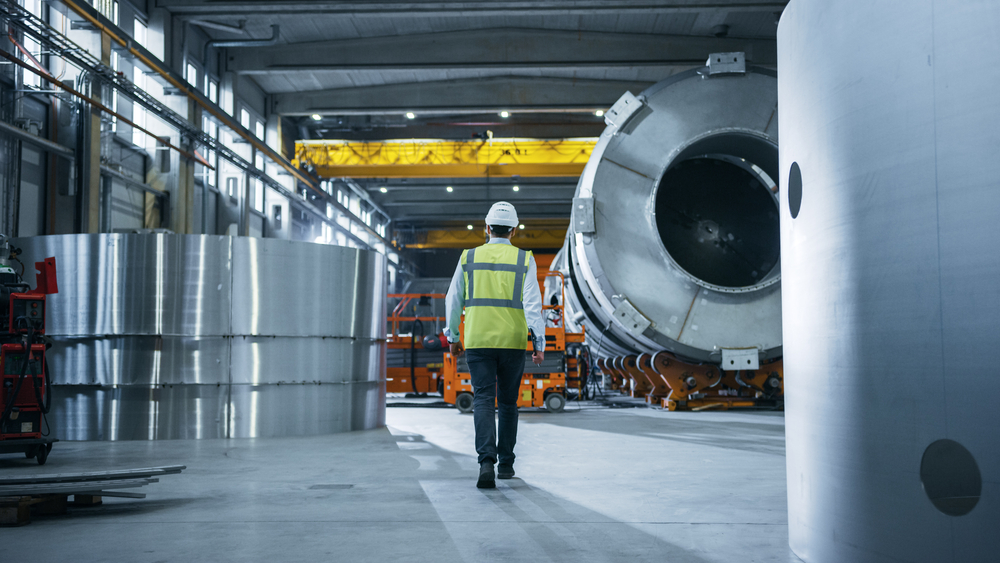
Concerning maintenance performed to ensure that structures are safe, habitable, environmentally friendly, and accessible
Electrical System Compliance
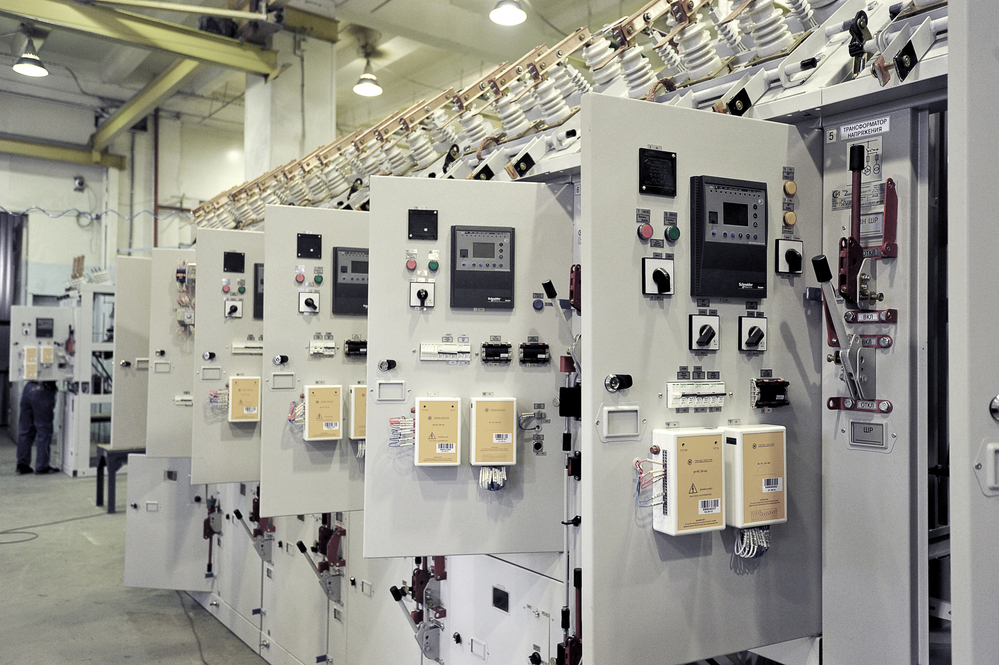
Performed to ensure electrical systems conform to standards that make them safe, reliable, and as efficient as possible
Environmental Compliance Maintenance

This is a form of maintenance concerned with sustainable practices, ensuring that a company’s operations, and therefore the maintenance of its facilities and equipment, adheres to the relevant environmental laws, regulations, and standards
Equipment and Machinery Compliance
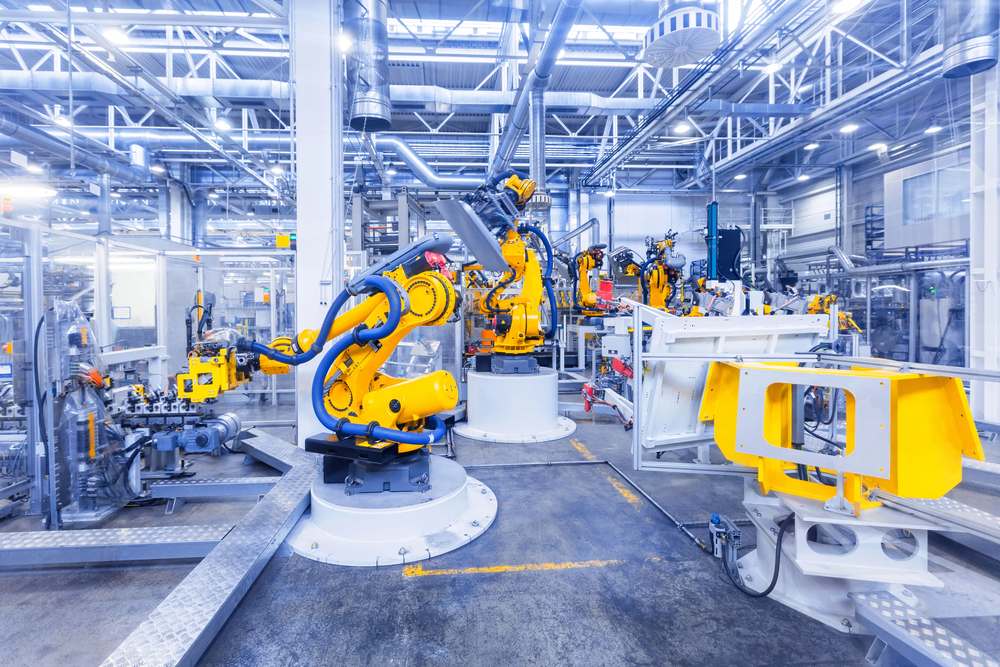
This is maintenance undertaken with the goal of ensuring all equipment and machinery used in the workplace meets the relevant health, safety, and operational standards set by the regulatory bodies of that industry. This not only ensures that employees and customers alike remain safe, but also helps to maintain operational efficiency and reduces unplanned incidents, reducing costly downtime which helps keeps a businesses operating model viable
Fire, structural, and accessibly regulations

Fire, structural, and accessibility regulations are crucial components of maintenance when it comes to building codes and standards. These are forms of maintenance taken in line with regulatory requirements to ensure safety compliance and are highly important as far as any safety aspects are concerned
Safety Inspections

Safety inspections are performed as part of maintenance activities too, ensuring that equipment and processes satisfy the relevant regulatory standards. Such inspections are performed to identify and resolve potential hazards, assess and mitigate risks, and promote a safety culture that prevents incidents from occurring in the first place
While any duty involving maintenance is very important, duties involving maintenance where regulatory compliance purposes are concerned could perhaps be considered even more so. Such maintenance not only involves an aspect of liability, but where maintenance work is performed because of regulatory requirements, you can expect such work to be heavily inspected too – so its doubly important you get it right. (Remember that there is normally a good reason these regulations exist in the first place!) Emphasising that you understand this, particularly through strong behavioural or competency-based examples, or better yet, by providing examples where you’ve given feedback on processes you feel could be enhanced or improved where existing regulations are concerned, is one of the most effective tactics you can employ in an interview when applying for any maintenance based role