INTERVIEWING ATTIRE
ACCESSORIES, JEWELLERY, PERFUME AND COLOGNE, MAKEUP
Accessories are additions added on to compliment a given style of dress. If used correctly, they can greatly enhance the appearance of the outfit you have chosen, making it look that much more elegant and sophisticated, and ultimately, empowering you to feel that much more confident in your choice of interviewing attire
Accessories encompass different areas and can include things like coats, scarfs, and gloves, as well as jewellery like rings, earrings, watches and necklaces. Basically, anything you wear that is an addition to your actual outfit itself
The general rule when interviewing is to always keep accessories to a minimum; and although the right accessories can greatly enhance your outfit, it can sometimes be difficult to decide how much to actually wear
Women
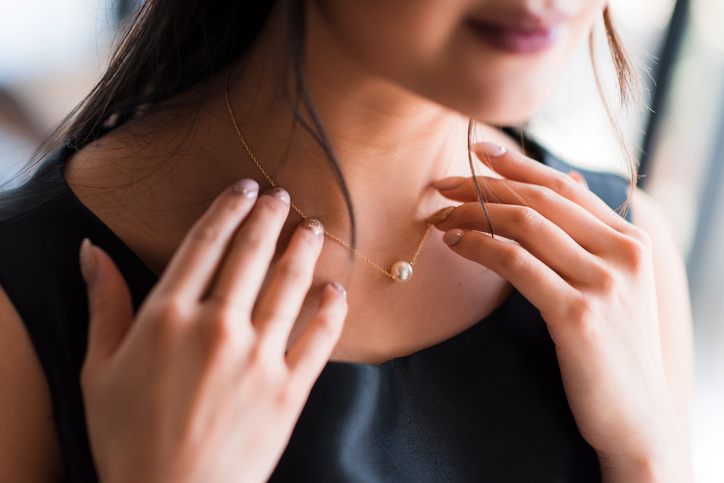
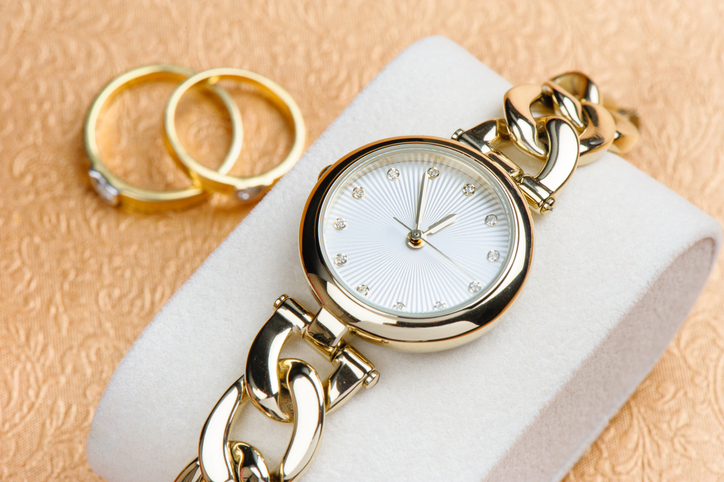
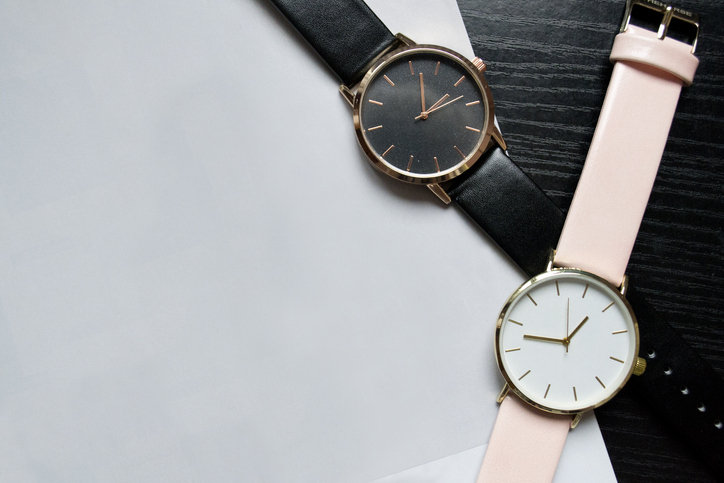
For women, a limited amount of jewellery is permissible
Earrings: can be small hoops (gold or silver), stud earrings (precious stone or pearl are the best choices), or (small) dangle earrings
Necklace: a necklace is permissible as an accessory. When choosing one, base it on the type of job you’re applying for, and the manner of dress the interview will be conducted in (i.e. business formal, business professional, business casual, etc.) The more formal the interview, the smaller and more inconspicuous this should be. A necklace should be plain, and a small gold or silver one is normally a good choice for the majority of interviewing scenarios
A lady’s watch is also acceptable as an accessory as well
Avoid wearing hats, bracelets, or rings (unless wedding rings). Religious headwear is an exception to this rule
Eyewear: Prescription eyewear is fine, although in an interview setting you should make an effort to ensure the frames your wearing look stylish and sophisticated.
Unless prescription, other eyewear accessories such as sunglasses are only really ever permissible when in business casual attire. Even in these circumstances, you should not wear it to the actual interview itself, (it’s more permissible as a style of dress when you’re going out to pick up applications or canvassing business premises), and even then you should use your own good judgement as regards the weather conditions and the outfit you’re wearing.
(The advice is, as sunglasses typically conceal the eyes, they have a negative psychological connotation and should be avoided as a general rule)
Men
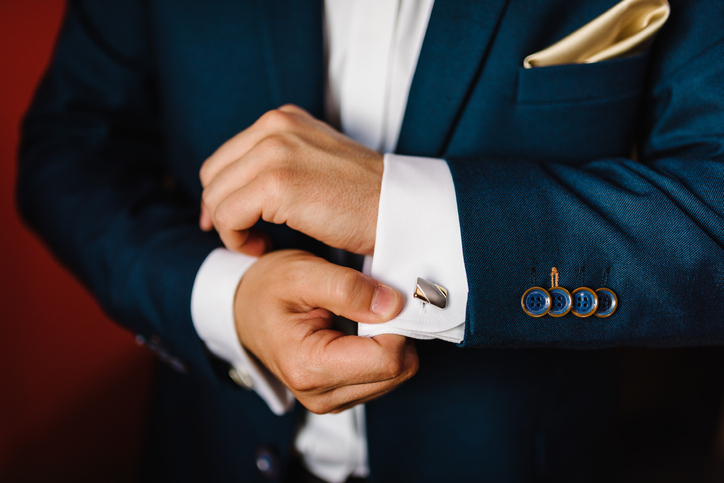
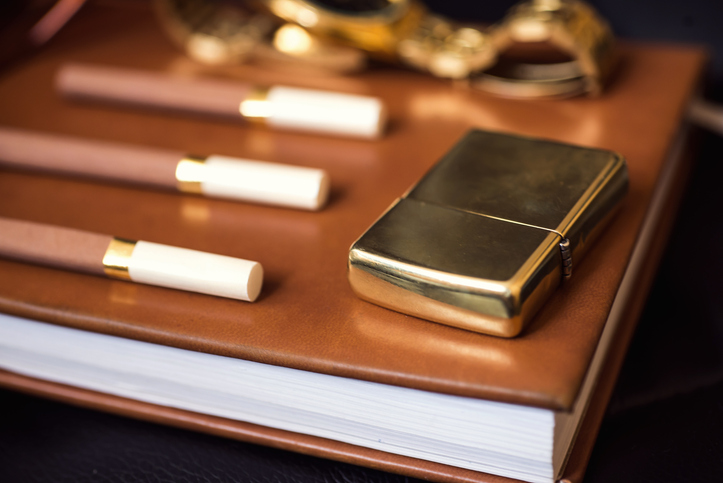

For men, a very limited amount of jewellery and accessories are also permissible
Cufflinks, tie clips, and handkerchiefs (for suit jacket) are the standard accessories for men’s interviewing
A men’s watch is also acceptable as an accessory as well
Men should also avoid wearing hats, bracelets, or rings (unless wedding rings). Religious headwear is an exception to this rule
Eyewear: Prescription eyewear is fine, although in an interview setting you should make an effort to ensure the frames your wearing look stylish and sophisticated.
Unless prescription, other eyewear accessories such as sunglasses are only really ever permissible when in business casual attire. Even in these circumstances, you should not wear it to the actual interview itself, (it’s more permissible as a style of dress when you’re going out to pick up applications or canvassing business premises), and even then you should use your own good judgement as regards the weather conditions and the outfit you’re wearing.
(The advice is, as sunglasses typically conceal the eyes, they have a negative psychological connotation and should be avoided as a general rule)
ACCESSORIZING
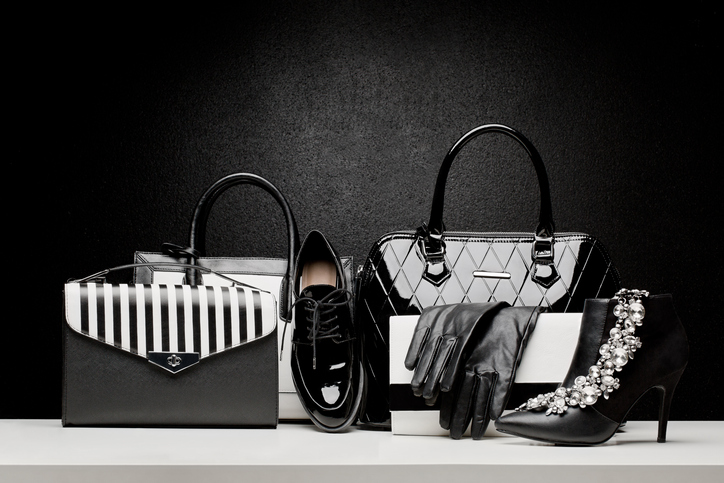

Remember that one of the first, and more perfunctionary, things the interviewer is trained to look at is your style of dress. If you decide to wear jewellery, the rule when interviewing is that it should look elegant and expensive, or there’s no point in wearing it at all.
Add-ons such as gloves and scarves are weather dependant and should be worn if weather conditions dictate it, but generally should be removed once inside the building
The proper application of accessories can enhance your outfit drastically, so it’s always worth taking that extra step and making an effort to accessorize. Equally important however is doing this properly and not going overboard
PERFUMES, DEODORANTS, AND COLOGNES
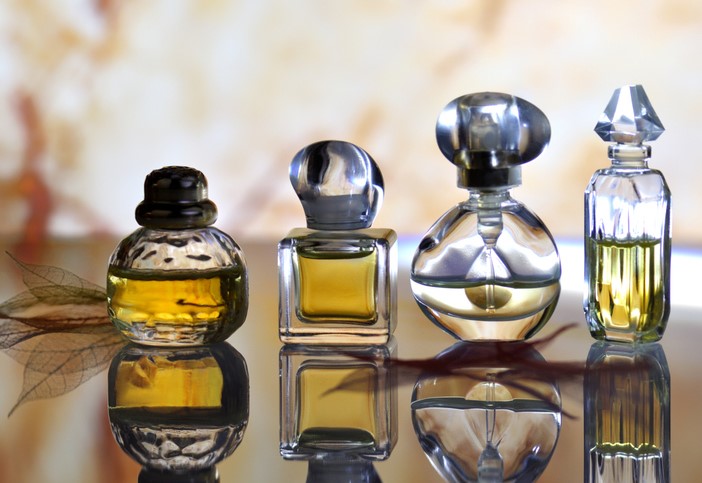

The rule for any perfumes, deodorants, or colognes is simple. While it is acceptable to wear these things, they should not be applied in a way that is so overbearing that it becomes distracting to others. Only put on a light amount of any given one for your interview
MAKEUP
Makeup can form an integral part of a woman’s appearance when we consider the overall composition of our interviewing attire. The goal is to look your best, but at the same time you want any makeup you have on to look both flawless and subtle. Not only does well-applied makeup help you look your best, it can also help you come across as competent, proficient, and well-versed in interviewing etiquette under the discerning eye of your interviewer
The rule when using makeup is straightforward. Always use light makeup, and always put on your makeup in a way that matches your skin tone. The goal when using makeup is to enhance your appearance, but not in a way so as to be distracting or that causes it to be unduly noticed by the interviewer. That’s why lightly applied makeup, using natural colour and tones, is usually the best way to go when considering your makeup options
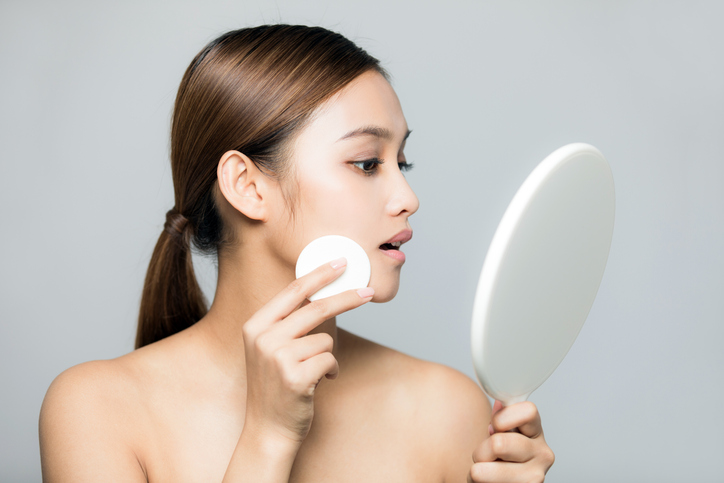
Primer – If wearing makeup, always use this first for your base before you apply your foundation. Powdered primer is a good choice, as it is good for absorbing any moisture from the face which can occur in tense situations. Remember to apply a light amount only

Foundation – Foundation is the next base when applying makeup. For an interview, your primary concern with foundation is to match your foundation to your skin tone, or to use it in a way that enhances your skin tone without compromising its natural colour

Blusher – Is used to give a healthy colour to the cheeks and should mainly be used if you have a very pale complexion. It’s actually very rare to blush during an interview, as blushing only tends to occur as a reaction to a socially awkward situation, not a socially challenging or nerve-racking one. (While using a blusher would tend to enhance this effect as it’s designed to contrast with your natural skin colour, overall there should be minimal need to use blusher for an interview)

Bronzer – A much better option when compared to blusher, bronzer can be used to enhance the skin with a smooth, tanned look. It’s a lot more effective at creating a natural, healthy effect that enhances the appearance of the cheeks and cheekbones

Concealer – If you need to use a concealer to cover blemishes or imperfections, it is fine to do so. Like the rest of your makeup, try to keep this to a minimum

Eyelashes – Natural eyelashes are all that is required for your interview, so do not use false eyelashes. If you want to, in its place you can use a thin line of waterproof mascara to slightly thicken the eyelashes
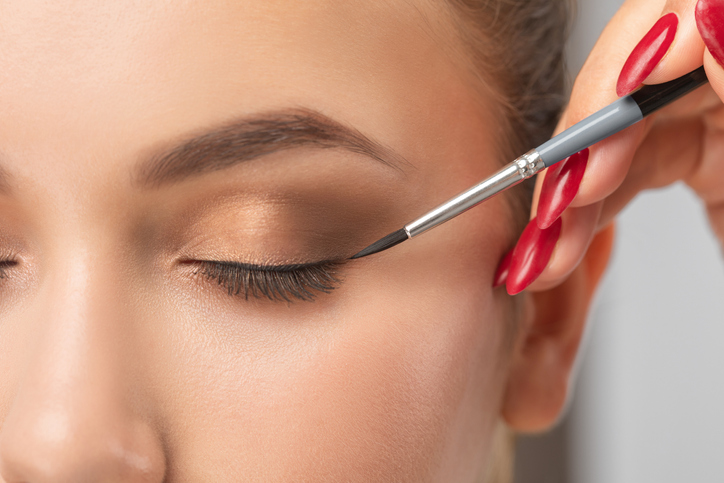
Eyeliner – Keep it simple and straightforward if using eyeliner. Use this for minimal definition only. Do not try any fancy designs when using this for an interview
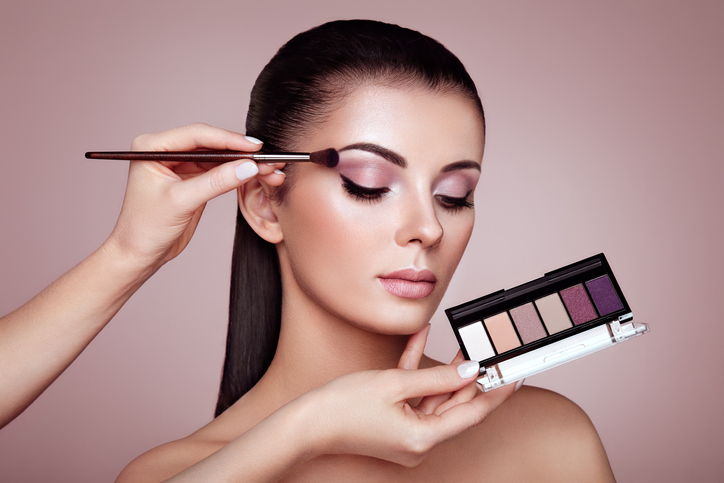
Eyeshadow – Something else that if worn, needs to be kept to a minimum.
Too much eyeshadow can take the conversation off topic and become distracting for the interviewer whenever making eye contact with you. If using this, match the colour of your eyeshadow to a colour close to your own skin tone for the eyelids, then use a medium shade around the rest
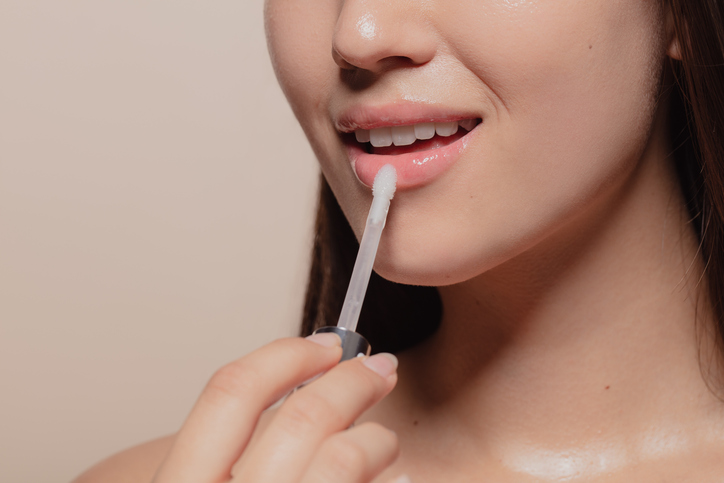
Lip gloss – If you want to enhance the appearance and texture of your lips do this by wearing a light coating of clear/ neutral coloured lip gloss. It is a great option as it keeps the colour of your lips looking natural while at the same time giving them a smooth and moisturized finish
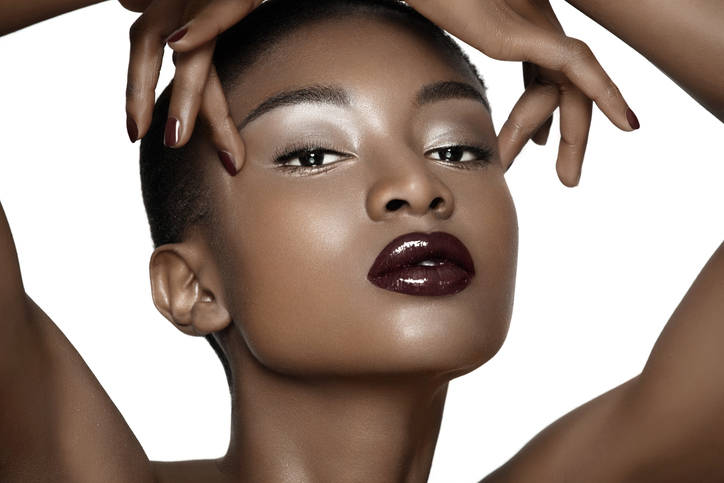
Lipstick – While it is permissible to wear lipstick that is red in colour, its best to go with a natural gloss. The lips are very sexual. Colouring your lips with red lipstick can be perceived differently by different people. As an individual, it’s at your discretion how you apply your makeup, but red lipstick is a very loud and subconsciously bold statement in a formal interview setting. If you are thinking of wearing it, it is perhaps best utilized in a business casual setting
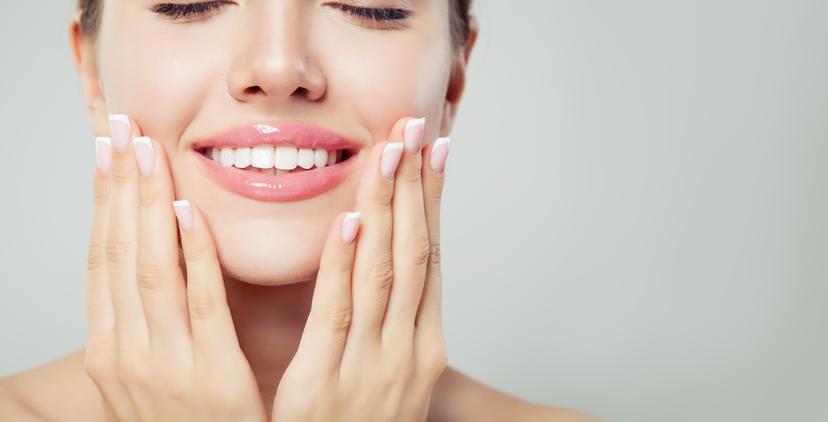
Nails – Should be manicured, and may be painted, ideally in light neutral colours, beige/nude/ light pink are the best. (Although do not wear long or fake nails – keep the nail to fingertip length or just beyond the fingertip at most). Your goal is for your nails to look nice and very presentable, but not so much so that they are highly noticeable and draw undue attention during the interview
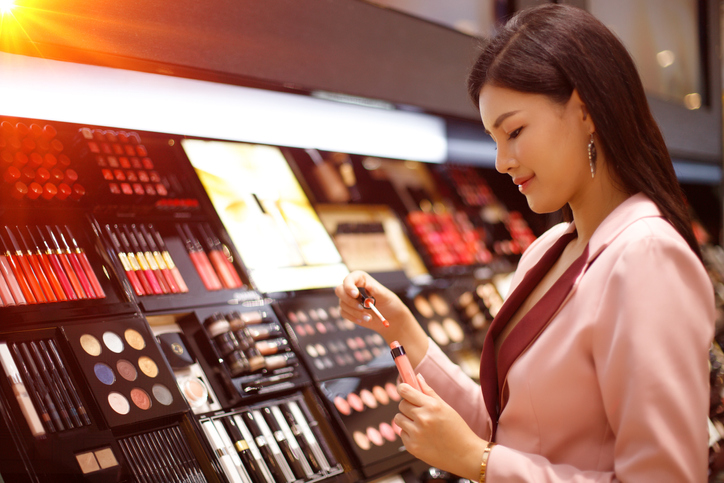
Makeup application should always be considered based on the organisation you’re interviewing with and the role you’re applying for. More liberty can be taken the more informal the interview is, so the more relaxed the dress standard, the more creative you can be (within the recommended guidelines) of how you should apply your makeup.
With this said though, ultimately your makeup selection is down to individual choice. You need to wear it in a way you feel best suits your individual style, and best compliments the outfit you’re wearing, and most importantly, in a way that makes you feel confident and comfortable about walking into your next interview