ENGINEERING
Geological Engineering
Geological engineering (also referred to as geotechnical engineering or rock engineering) concerns the study of processes and management of materials in and around the Earth’s crust. With a basis firmly centred around engineering, it seeks to solve challenges concerning the foundations of buildings and structures, as well as problems pertaining to excavation and to the extraction of precious minerals and other resources
Geological engineering applies the principles of geology, civil engineering, engineering, geology, mining, and geotechnical engineering, and uses these to address engineering challenges related to geological hazards, site characterization, and resource exploitation

Duties in this profession revolve primarily around assessing geological conditions, particularly as relates to identifying potential geological hazards that may impact engineering projects. As a discipline, geological engineering has a broad range of applications, including building foundation consolidation and foundation design, slope stability analysis, rock excavations and tunnelling, environmental engineering, groundwater monitoring and remediation, mining engineering, geological hazard assessments in the form of (landslides, earthquakes, and volcanic activity, etc), as well as natural resources exploration in the form of the exploitation of mineral deposits and groundwater resources
Many of the applications of geological engineering complement other engineering fields such as water resources engineering, geological hazard engineering, petroleum engineering, mining engineering, environmental engineering, geotechnical engineering, and civil engineering
Mineral and energy resource exploration engineering – an important sub-discipline of geological engineering

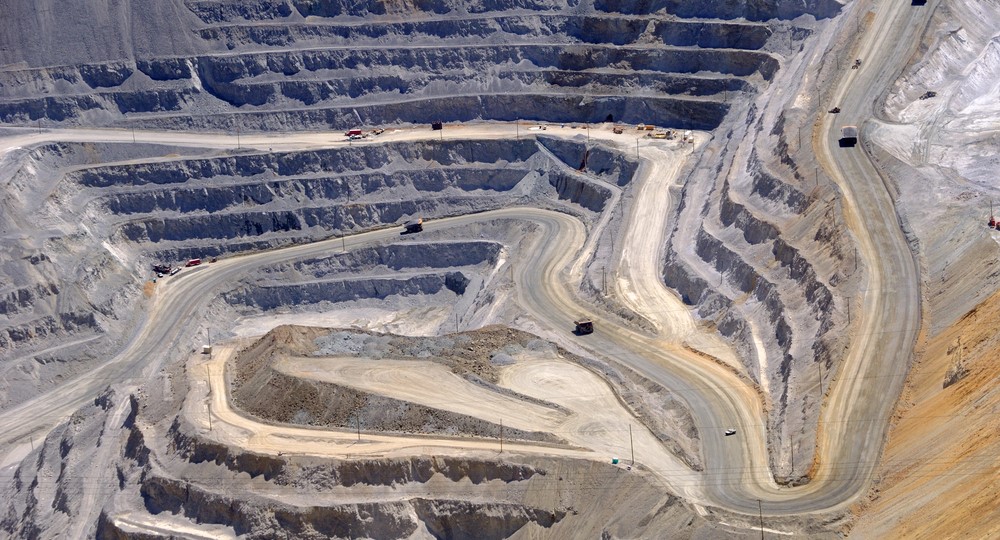

A sub-discipline stemming from geological engineering is that of mineral and energy resource exploration engineering, and many of the duties related to mining, resource exploitation, and excavation are linked with this particular engineering branch. Mineral and energy resource exploration engineering is an area of geological engineering dedicated to the discovery and exploitation of mineral and energy resources in and around the Earth’s crust, and as such, is a branch of engineering heavily prized throughout the economies of Earth today
Because geological engineering often supports the work of other inter-related disciplines, particularly fields such as civil engineering, structural engineering, project engineering, marine engineering, ocean engineering, and geotechnical engineering, there are often good employment opportunities to be found in this line of work and its accoutred subfields. Geological engineering often revolves around duties that rely heavily on data acquisition methods, allowing those who work in this field to perform their roles more effectively, and this enables them to collaborate with others from interrelated fields like the ones mentioned above

The duties those involved in geological engineering can expect to perform include the following:
– Geological surveys involving field observations to map the surface geological features, rock outcrops, soil types, and geological structures
– Seismic surveys, involving the use of seismic waves to map subsurface geological structures
– Electrical resistivity surveys that measure electrical resistivity by inserting electrodes into the ground at predetermined locations and using a resistivity meter to measure electrical resistivity in that location
– Ground-penetrating radar used to image subsurface features by transmitting high-frequency electromagnetic pulses into the ground and recording the reflections that bounce back using subsurface interfaces
– Magnetic surveys to image subsurface geological structures and properties
– Borehole drilling involving the drilling of holes into the ground. enabling geological engineers to log subsurface properties using specialized instruments such as acoustic televiewers, borehole cameras, gamma-ray spectrometers, and resistivity probes that measure things like groundwater levels, lithology, permeability, porosity, and rock density


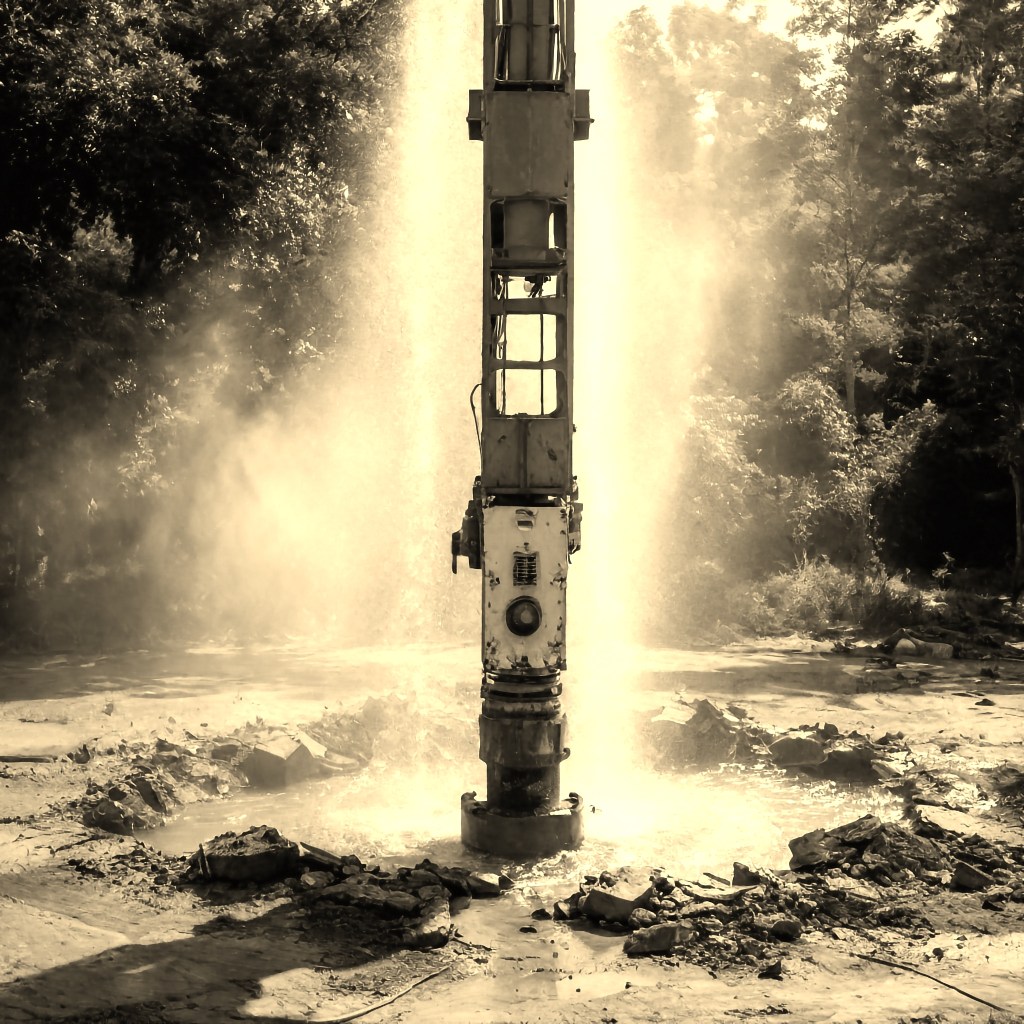

– Other data collection methods, such as the installation of ground instrumentation like piezometers, inclinometers, settlement gauges, and strain gauges to gather real-time data on subsurface conditions. This comes on top of methods such as environmental monitoring techniques that assess air quality, water quality, and noise levels. As well as geological mapping, aerial photography, satellite imagery, and the analysis of historical and projected data on future ground behaviour that helps geographical engineers assess geological hazards and characterize site conditions, all of which will lead to them being able to advise and collaborate with those in other relevant professions like other engineers, project managers, and high-level stakeholders when it comes to not only assessing the feasibility and cost effectiveness of specific engineering projects, but also when it comes to deciding on the overall the viability of implementing given engineering projects themselves. In this regard, the recommendations and reports that geological engineers provide are essential, having a big impact on the decisions that others make where engineering projects are concerned
Geological Engineering Duties
Writes up recommendations and reports based on the analysis of field data
Uses advanced software, (such as Geographic Information Systems software), to analyse and integrate field data
Gathers information about geological conditions and hazards on things such as earthquakes, landslides, rockfalls, soil liquefaction, and volcanic activity
Collects and assesses data, develops solutions, conducts evaluations, and complies reports on things such as building foundations, erosion control, natural disaster assessments, and natural disaster mitigation of (earthquakes, floods, tsunamis, hurricanes, etc)
Performs groundwater monitoring and remediation, landslide risk, mine evaluation, pressure grouting, resource management optimization, slope stabilization, tunnelling and rock excavation, underground and surface excavation, and more…
Uses various data acquisition methods to collect information in the form of geological and seismic surveys, environmental monitoring, and borehole drilling that enables the installation of specialised equipment in the form of piezometers, inclinometers, settlement gauges, and strain gauges, to gather real-time data on subsurface conditions
Performs analysis of historical and projected future data, factoring these into reports and assessments
Evaluates geological hazards such as landslides, rockfalls, earthquakes, volcanic activity, and soil liquefaction to evaluate their potential impact on engineering projects, human population centres, and the environment
Plans and overseas studies into mining exploration and resource exploitation
Conducts geological surveys and site investigations, assessing geological conditions, soil properties, rock formations, and groundwater levels
Performs geological hazard mapping and develops risk assessment criteria and strategies
Performs feasibility and environment impact assessments, provides written analyses, prepares recommendations, and files for permit applications
Duties may extend to providing expert advice in foundation engineering as concerns the design of buildings, structures, and other engineering projects
Evaluates soil and rock properties and performs settlement analysis
Determines appropriate foundation types, bearing capacities, and foundation reinforcement techniques
Performs environmental remediation and also develops remediation strategies
Ensures regulatory requirements and environmental compliance is met wherever required
Salary £28,945 – £57,332, depending on the industry, employer, and years of experience

Geophysical Engineering



Geophysical engineering involves the study and assessment of conditions and characteristics under the Earth’s subsurface. For that reason, as a vocation it revolves heavily around the application of physics and geography, and will involve the use of specialised equipment and techniques that are used to gather data on the Earth’s subsurface conditions to better understand its physical properties
As such, any role in geophysical engineering revolves heavily around fieldwork, data collection, and data analysis, with a view to characterizing the various geological formations and conditions that exist within that environment in question
Overall, geophysical engineering plays a key role when it comes to helping us understand and interpret the geological processes taking place at the subsurface level. Those who work in this field will assess things like the likelihood of natural resource deposits, as well as addressing the engineering challenges that come with excavation or construction at subsurface levels, and they will employ data collection methods such as electromagnetic field surveys, electrical resistivity, gravity, and magnetic field tests, as well as seismic wave studies in order to help them do so. Like almost all engineering roles, those who are involved in this field work in a highly collaborative environment and will oftentimes work alongside engineers from other inter-related disciplines, providing advice and recommendations in order to help facilitate a wide range of projects that help advance environmental management, research, and industrial related projects
Geophysical Engineering Duties
Conducts, and may also design, geophysical surveys
Studies and assesses subsurface properties and geological structures including rock and soil properties, mineral and energy deposits, and groundwater resources
Uses advanced equipment and techniques to collect data in the form of methods such as electrical resistivity surveys, electromagnetic surveys, gravity surveys, magnetic surveys, and seismic surveying
Deploys and may construct specialized instrumentation to gather data in the form of sensors, detectors, transducers, and other data acquisition systems
Measures the extent and likelihood of certain subsurface conditions occurring such as electrical conductivity, magnetic fields, seismic waves, and gravitic anomalies
Applies different mathematical processes and computational techniques to interpret and analyse geophysical data in the form of imaging algorithms, inversion methods, modelling, and signal processing techniques, amongst others
Generates subsurface models, images, and maps using advanced computer software along with an array of various imaging techniques including magnetic imaging, gravity imaging, resistivity imaging, and seismic imaging
Assists and collaborates in resource exploration by identifying potential resourcing targets, assessing resource potential, and providing advice concerning extraction and excavation operations
Performs site characterization, geotechnical investigations, groundwater monitoring, and geological hazard assessments by attempting to identify subsurface contamination, assessing soil and rock properties, and also evaluating geological hazards such as landslides, sinkholes, and seismic hazards, etc
Salary £29.588 to £51,577, depending on the industry, employer, and years of experience
Marine Engineering



Marine engineering is a branch of engineering centred around the design, manufacture, and optimisation of watercraft like ships, ferries, and passenger vessels, as well as water-based structures like oil platforms
Marine engineering differs from many other types of engineering professions as many of its roles may require long periods away from home working at sea, either on watercraft or on stationary water-based structures (such as oil platforms)
Marine engineers apply principles from mechanical and electrical engineering, as well as from naval architecture, to perform a diverse range of duties and functions. This may include the design and construction of various types of watercraft and water-based structures, as well as water-based propulsion system design and maintenance, power generation and electrical systems design and maintenance, automation and control systems design and operation, as well as systems integration, depending on the specific remits of the role in question
Marine engineers may work on
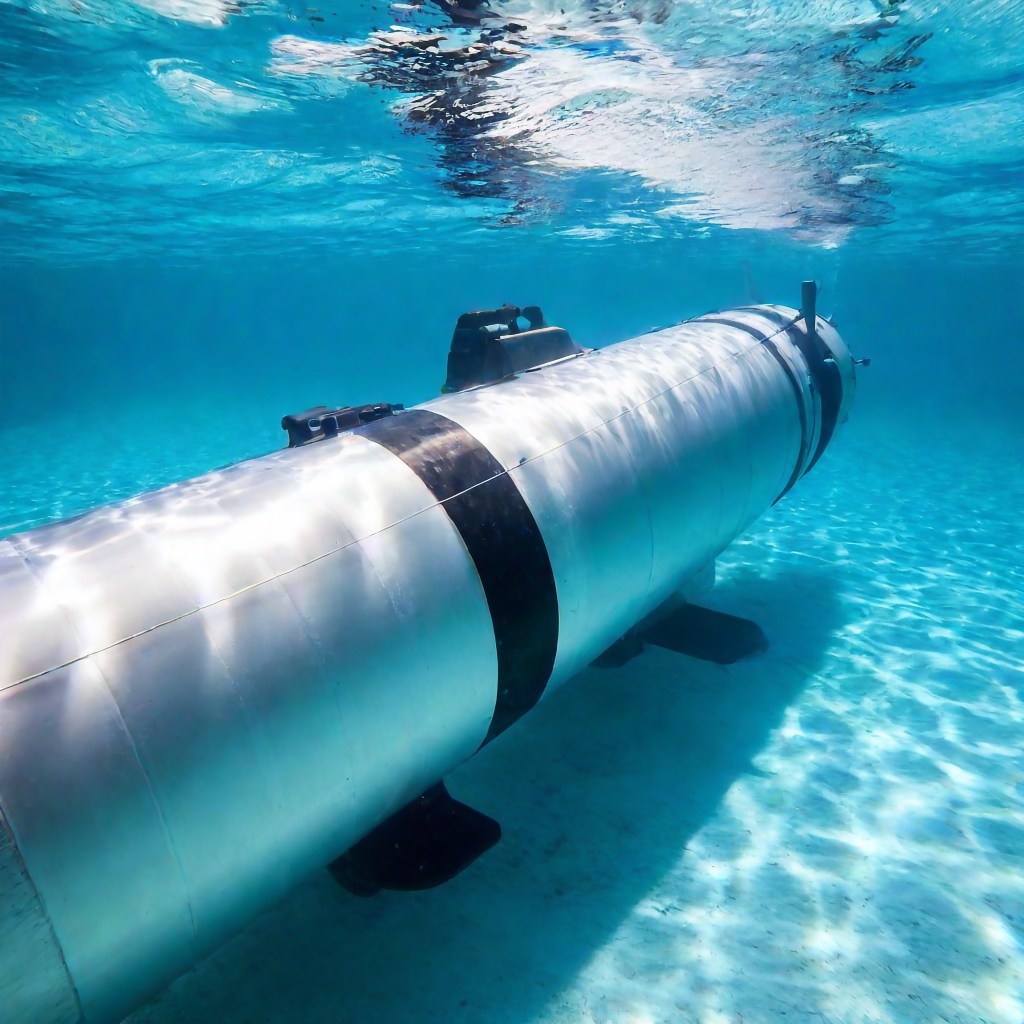
Dredgers, ferries and passenger vessels, fishing vessels, icebreakers, offshore platforms, research vessels, structures used for energy generation, submarines and submersibles, yachts, or other types of watercraft and water-based structures
Those who work in this field will typically need a bachelor’s or master’s degree in a field like Marine Engineering, Naval Architecture, or Ocean Engineering. In addition, they may oftentimes hold additional certifications relevant to the duties they perform such as:
Engine Room Officer Certificate of Competency
Marine Engineer Officer Certificate of Competency
Management Level Certificate of Competency
Class Society Certifications
Marine engineers may utilise a variety of skills in their roles including computer science, electrical engineering, and general engineering knowledge, as well as basic problem-solving skills. They will also need to collaborate closely with other professionals from inter-related fields such as naval architects, marine surveyors, shipyard personnel, and offshore engineers, to ensure the right outcomes and deliverables are met
Marine Engineering Duties
Is involved in the design and construction of various types of watercraft and offshore marine structures
Performs stability calculations, ensuring that seafaring vessels and structures meet regulatory standards, performance requirements, and all other relevant safety criteria
Designs and maintains power systems including generators, switchboards, distribution panels, and electrical wiring
Designs, installs, and maintains propulsion systems for ships and marine vehicles. Optimizes propulsion systems for optimal performance
May also design other essential systems including alarm monitors, integrated bridge systems, engine control and navigation systems
Performs duties with a view to environmental sustainability and ensures all regulatory requirements are adhered to
Performs regular and preventive maintenance, routine inspections, troubleshooting, and repairs. May also perform outfitting, overhauling, and integration of shipboard systems and equipment as required
May be involved in the development and implementation of technologies used to mitigate pollution and protect the environment such as ballast water treatment systems, exhaust gas scrubbers, and wastewater treatment systems
May also be involved in research and development related activities in the form of things like the creation of new autonomous systems, development of better materials, design of more efficient propulsion technologies, and the delivery of more effective energy efficiency solutions
Coordinates and collaborates with professionals across a wide range of inter-related engineering fields. May also coordinate with other types of professionals including contractors, suppliers, stakeholders, and regulatory authorities to ensure objectives are met on time and within budget
Duties may also extend to include project management related activities
Salary £31,834 to £66,105, depending on employer and years of experience
Materials Engineering


Materials engineering concerns the study and development of materials with a view to applying them in various manufacturing processes, as well as with a view to applying them in other ways specific to that industry in question. (For instance, applying them to the equipment and gear required by those who operate in a particular industry itself).
Those who work in this field will study and test different materials to understand their properties, behaviour, and performance under different stresses and conditions, and are responsible for selecting the most suitable materials for the manufacturing processes or industrial tasks in question
A materials engineer duties will also extend to not only enhancing existing materials, but to researching new ones, making them stronger, more durable, and more cost effective. By studying the composition of existing materials and also researching the construction of newer, typically more lightweight and stronger ones, materials engineers have an important part to play when it comes to addressing challenges related to environmental sustainability, product performance, and modern technological advancement as a whole, and as such, have a valued role in the economies of today
Materials engineers ply their trade in a wide range of industries including the aerospace, automotive, construction, electronics, energy, healthcare, and manufacturing industries to name but a few, and will usually specialise in one or several different materials disciplines within that specific industry itself. The main specializations are metallurgical engineering, ceramic engineering, polymer engineering, composite materials engineering, semiconductor materials engineering, and biomaterials engineering
Materials Engineering Duties
Researches and tests materials, finding ways to apply their properties in various industrial and technological processes
Is responsible for creating both new materials and finding ways to enhance existing ones
Performs materials processing duties in the form of developing and optimizing processes for manufacturing using specific materials
Undertakes research and development in the form of materials characterization, applying various analytical techniques such as microscopy, spectroscopy, and X-ray diffraction to analyse the structure, composition, and properties of materials
Evaluates the performance of materials under different conditions
Identifies and selects the most appropriate materials for the specific product or industral applications in question
Conducts quality control analysis and ensures all materials conform to relevant safety and compliance standards
Salary £28,573 – £53,200, depending on employer and years of experience
Naval Architecture



Naval architects apply the principles of engineering, physics, hydrodynamics, and marine technology to create vessels that are safe, efficient, and capable of performing the specific functions required of them in various marine environments
As a field it is highly specialised, involving the design, construction, and maintenance of sea faring craft, being centred largely around the areas of seacraft design and propulsion
As such, those involved in the field of naval architecture will perform functions centred heavily around the areas of seacraft design, seacraft propulsion, hydrodynamics, hydrostatics, and marine systems and equipment. Like almost any other field of engineering, it is highly collaborative, and naval architects will be required to liaise closely with engineers from a whole host of interrelated professions. As an engineering discipline, naval architecture plays a key role throughout a wide range of industries today including commercial shipping, offshore oil and gas exploration, naval warfare, naval engineering, maritime transportation, marine renewable energy systems, passenger ferries, and yacht and pleasure craft design. As has already been stated it is a field that is highly specialised and those who work in this capacity will typically have a bachelor’s degree or above in fields like Naval Architecture, Marine Engineering, or Ocean Engineering. Sometimes Naval engineers will hold additional qualifications and certifications that can help them progress in their roles such as Certified Marine Professional, Certified Marine Engineer, or Certified Marine Technologist etc…
Naval Architecture Duties
Uses computer-aided design (CAD Software) as well as other advanced software tools to help design, optimize, or retrofit, seafaring vessels and structures
Assists with construction, outfitting, commissioning, sea trials, and delivery phases where maritime construction is concerned
Conducts feasibility studies, conceptual design, detailed design, and engineering analysis as part of their dedicated duties
Designs and optimizes marine propulsion systems, as well as evaluating propulsion performance, emissions, and efficiency
Duties may include the integration of systems like propulsion, electrical, HVAC (heating, ventilation, and air conditioning), navigation, communications, and safety equipment
Duties may also extend to developing project plans and schedules, as well as performing budgeting and resource allocations
May also manage engineering projects and collaborate with stakeholders, clients, and colleagues across a multi-disciplinary range of different fields
Is responsible for co-ordinating duties with bodies such as shipyards, subcontractors, academic institutions, research organizations, industry partners, and regulatory authorities, to facilitate the completion of tasks and projects
Conducts risk assessments and safety evaluations
Is responsible for ensuring work meets performance and regulatory standards as well as client specifications
May perform research and development related activities
Salary £28,779 to £45,200 depending on the industry, employer, and years of experience
Ocean Engineering



Ocean engineering takes the principles from engineering, oceanography, and marine science, and incorporates them into the design, construction, and maintenance of structures in marine environments
Ocean engineering is concerned with things like coastal structures, offshore platforms, harbours, piers, marine ports and terminals, subsea pipelines, tidal energy turbines, wind turbines, wave energy converters, underwater observatories, and other underwater apparatus and structures. As a discipline, it utilises principles very similar to that of marine engineering, especially where areas like hydrodynamics and mechanics are concerned, and in this capacity ocean engineers will apply their expertise to address challenges and opportunities related to the exploration, utilization, and conservation of marine resources
Those who work in this field will usually at the minimal hold a degree in fields like ocean engineering, naval architecture, marine engineering, or civil engineering (with a focus on coastal or ocean engineering), accredited by the relevant institution of that country
As an ocean engineer, you may find yourself working in a drastically varying range of different environments depending on the focus of your work and the industry itself. Here are some of the most common environments that ocean engineers may find themselves operating in
- Offshore Platforms or installation vessels building things like rigs, offshore platforms, wind farms, or other maritime based energy infrastructure
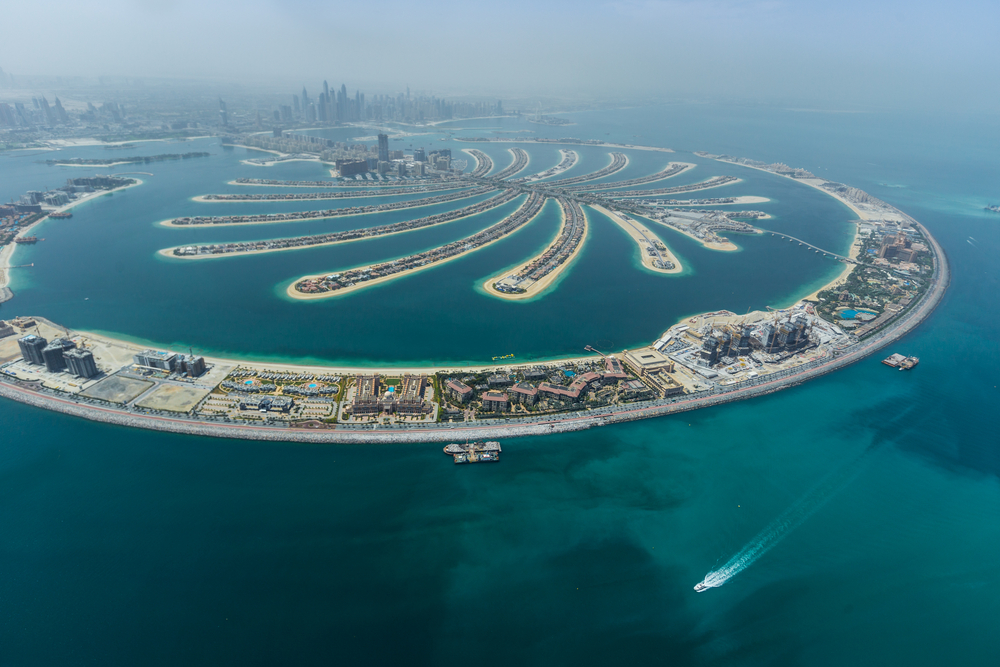
- Coastal engineering projects involving work on coastal areas such as beaches, shorelines, harbours, and estuaries
- Research vessels and marine laboratories
- Service boats
- Port and harbour facilities
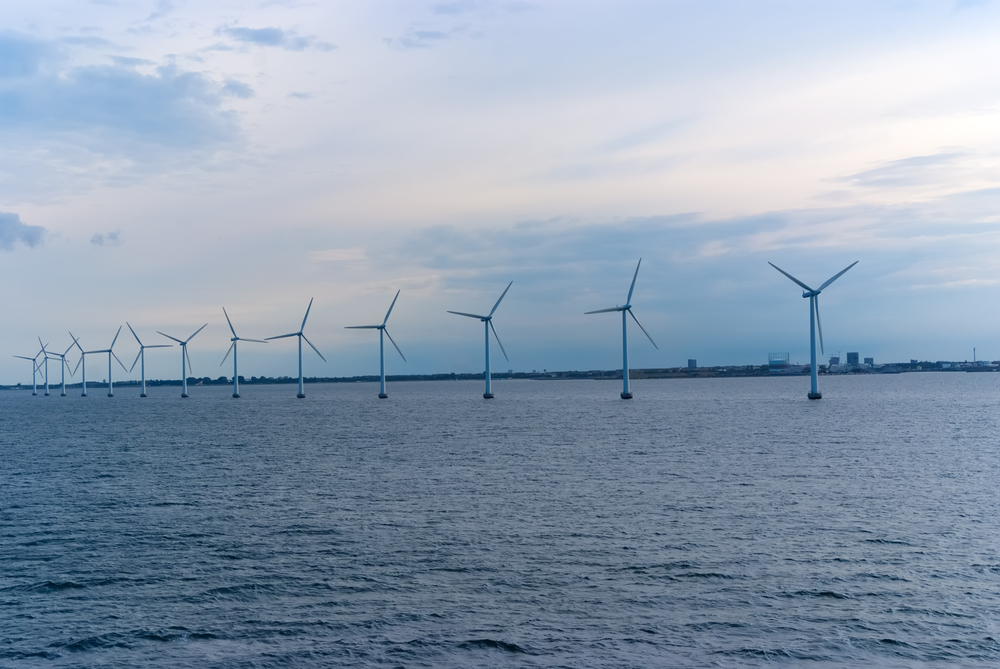
- Marine renewable energy test sites located in coastal waters or in other offshore areas
- Consulting firms and engineering offices

- Academic or research institutions
Ocean Engineering Duties
Uses advanced computer software to make designs for marine structures, offshore platforms, coastal protection systems, and other forms of underwater equipment. Will also use advanced software tools to design coastal protection structures such as seawalls, breakwaters, and revetments
Duties may include developing subsea systems and equipment for use in oceanic exploration, production, and research related activities. This may include the design and construction of remotely operated vehicles (ROVs), autonomous underwater vehicles (AUVs), as well as sensors, instruments, subsea pipelines, mining tools, and other deep-sea instruments
May oversee the construction and installation of marine structures including offshore platforms, subsea pipelines, and underwater equipment, etc…
Collaborates with various professionals and organisations, exploring new technologies, ensuring that projects get completed on time and to design specifications. May collaborate with shipyard contractors, academic institutions, research organizations, government agencies, industry partners, and other engineering professionals and project managers from inter-related fields
Conducts maintenance on maritime structures and equipment in the form of routine inspections, preventive maintenance, and repairs. May also develop maintenance schedules, inspection protocols, and asset management plans to prolong the service life of marine assets
May also be responsible for managing engineering projects, including the budgeting, procurement, quality control, and cross-coordinating of teams
Develops technologies and strategies that mitigate the impact of activities on marine ecosystems, including pollution prevention, oil spill response, marine habitat restoration, and marine spatial planning
Performs environmental assessments, regulatory compliance, risk management, and safety compliance functions
Salary £33,774 to £42,004 depending on the industry, employer, and years of experience
Overall, ocean engineering is a highly skilled and important field, and those who work in it will normally undertake a diverse range of duties and functions
When all is said and done, we can see that engineering is a highly collaborative field, and in it, you will oftentimes be required to liaise with and work alongside professionals from other engineering specialisations. As such, in order to succeed in many of today’s engineering vocations, it means you’ll not only need to rely upon the quality of your own work, but also that of the people working alongside you too. Most engineering roles will require a minimum of a 4-year degree qualification in the relevant field of engineering, and oftentimes, additional training and certifications may also be required before you can work in your desired role too. On top of this, there is normally a high degree of emphasis on safety and compliance where any engineering role is concerned, which is why some engineers will also need additional licenses or accreditations before they can ply their trade
Working in any field of engineering requires the use of many different types of skills and abilities, particularly those related with the use of other highly skilled fields including science, mathematics, geography, and computing. As such, engineers are relied upon to perform a large and diverse variety of functions and duties, and across the various branches that constitute the profession as a whole, there exist numerous sub-fields too, meaning that the range of responsibilities and functions performed in any engineering role is normally always large and diverse. These most typically include the design and construction of various buildings and structures stemming from any number of different projects and infrastructure projects, as well as the maintenance, repair, and inspection of buildings, vehicles, and other important pieces of apparatus and equipment. Some engineering roles may also involve other duties that take the form of things like research and development related activities, product testing, consultation related functions, providing advice and recommendations, and dealing with permit and regulatory issues
In any engineering role you will be heavily relied upon, that’s why, you can always expect your duties to come with a great deal of responsibility. However, the rewards are typically well worth it. A career in engineering is one where you can expect to receive great pay, better than average job security, and the sense of pride you’ll get knowing that you’re making a difference every day through the essential work that you perform