ENGINEERING
Electrical Engineering
This is a field of engineering concerned with the design and maintenance of any appliance or apparatus involving the use of electricity, and as such, is a highly nascent field that is based around the study, design, and application of many different kinds of electrical systems. In today’s economy, electrical engineering is absolutely vital for advancing technology, driving innovation, and solving the complex challenges that modern day societies face. While there is a distinction between electrical engineering as a discipline, and electrical engineering as a profession, both involve the use of a highly technical skillset. As a discipline, it involves numerous different subfields and specialities, and the advantage for anyone looking to get into this profession is that almost every role within its various branches are ones that are highly paid and in high demand. The work can be hazardous, sometimes requiring specialised gear and equipment depending on the exact nature of the role itself. However, as many of the subfields in electrical engineering are centred around research and development related activities, a surprising number of vocations in this branch of engineering require less in the way fieldwork and are more orientated towards lab or office functions than you might think
When we come to look at electrical engineering as an actual profession though, we can see that it involves work done by individuals who are trained and employed in the vocation of certified electrical engineering. As such, individuals in this capacity will perform duties that revolve around the design, testing, installation, repair, and maintenance of electrical systems, equipment, and devices across any number of different industries such as Aerospace, Construction, Défense, Energy, Manufacturing, Telecommunications, Transportation, Utilities, Research and Development, and many, many more…
(There is a distinction between electrical engineering as a discipline, and electrical engineering as an actual profession, and a more formal description of the duties involved in the profession of electrical engineering has been included at the beginning of the next page of this engineering section)

Whether it’s one of the various branches of electrical engineering that constitute the discipline as a whole, or whether your profession involves working directly as an electrical engineer itself, they’ll always be certain qualities that you’ll need, in particular, the expertise and technical knowhow to perform your duties with the competence and reliability that’s expected of you. It’s also why, any role associated within electrical engineering is guaranteed to involve lots of formal training and education, and is why those working within its numerous subfields will usually always have degrees in areas such as biomedical engineering, communications engineering, computer engineering, control systems engineering, design engineering, electric motor engineering, electrical engineering, microelectronics engineering, power systems engineering, project engineering, renewable energy engineering, test engineering, and telecommunications engineering…amongst others. On top of this, they will oftentimes also hold additional licenses and certifications too, such as professional engineer licenses and certifications such as the Certified Automation professional, Certified Control Systems Technician, Certified Energy Manager, and Certified Wireless Network Professional, to name but a few
Electrical engineering covers a wide range of vocations and sub-fields such as Automation Engineering, Computer Engineering, Computer Networking, Cybersecurity, Digital Signal Processing, Embedded Systems Engineering, Hardware Design, Human-Computer Interaction, Instrumentation Engineering, Microelectronics, PLC Programming, Power Engineering, Renewable Energy Systems, Robotics Engineering, and SCADA Engineering, as well as Software Development too, and we will explore the duties involved in each of these distinct fields further next:
Automation Engineering
This is a branch of engineering centred on the design and implementation of automated machinery and processes as a means of making production and labour safer, more efficient, and more reliable. It involves the implementation, repair, and maintenance of automated systems and machinery like assembly lines, automated packaging and material handling systems, CNC machining centres, sorting and food processing systems, control systems, sensors, robotics, industrial hydraulics, and other computing processes. There are a wide range of professions within this single branch of engineering alone, including automation engineers and automation integration engineers, control systems engineers, industrial automation and instrumentation engineers, process automation engineers, robotics engineers, Industrial Automation Engineers, SCADA Engineers, Instrumentation Engineers, PLC Programmers, and Maintenance Engineers. The duties associated with these roles, as well as those from the other various disciplines within the field of electrical engineering, have been outlined below

Automation Engineer

Performs implementation, repair, and maintenance of automated systems and machinery
Duties
Programs systems such as distribution control systems, programmable logic controllers, supervisory control and data acquisition systems, and robotics and hardware integration systems
Selects and installs sensors and actuators into automated systems, enabling those systems to control and regulate things like pressure, flow, position, temperature, and speed accordingly
Tests and validates automated systems to ensure they meet safety and performance standards
Troubleshoots and performs maintenance duties as required
May also write code, develop logic diagrams, and configure software to integrate with hardware components
Provides guidance and training to operators and other personnel on how to use and maintain automated equipment safely and effectively, and duties may also extend to include documentation creation in the form of training manuals and other training paraphernalia
Salary £37,684 – £52,994, depending on the employer and years of experience
Automation Integration Engineer

An automation integration engineer is an engineer who specializes in automated system integration
Duties
Designs and implements integrated solutions that incorporate automated systems into new or existing workflows or processes
Collaborates with others vital for the integration of automated systems such as equipment operators, engineers, upper-level management, as well as with project managers, specialists, and contractors
Writes code, programs, and configures software to allow for seamless system integrations
Tests and debugs systems and software
Provides troubleshooting, maintenance, and repair support for automated systems
Salary £38,812 – £54,556, depending on the employer and years of experience
Industrial Automation Engineer
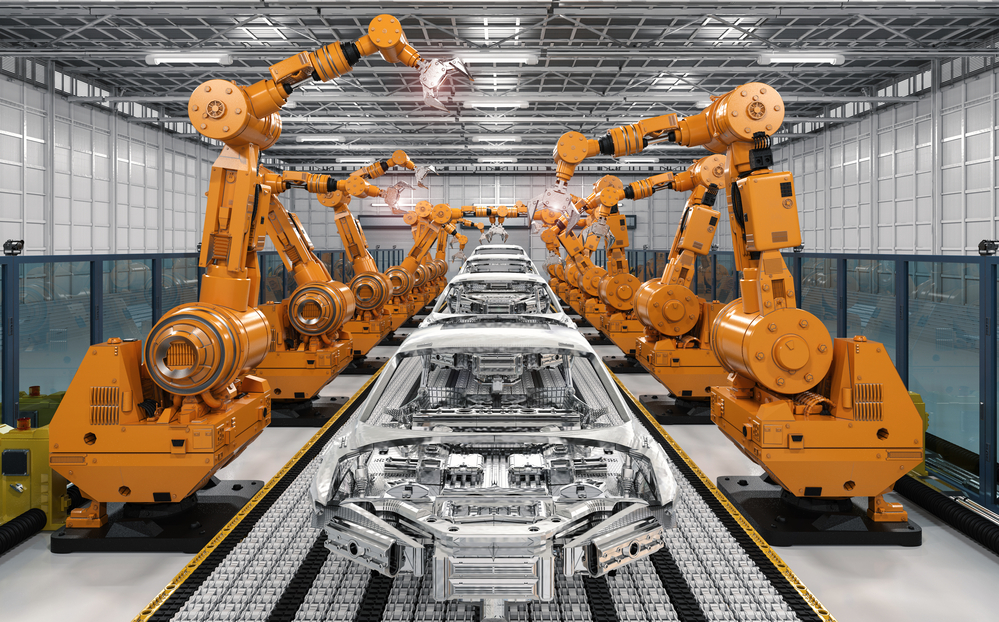
Specializes in manufacturing automation for industrial manufacturing industries such as (Automotive, Aerospace, Clothing, Consumer Goods, Electronics, etc)
Duties
Implements automotive manufacturing processes that improve productivity and efficiency
Programs control systems, such as PLCs (Programmable Logic Controllers), DCSs (Distributed Control Systems), and SCADA (Supervisory Control and Data Acquisition systems)
Integrates technologies such as conveyor systems and robotics into production lines
Commissions automated systems and coordinates with suppliers, contractors, and other specialist providers to install and integrate automated machinery
Performs troubleshooting, maintenance, and repair on automated machines and equipment
Salary £33,684 – £49,158, depending on the employer and years of experience
Instrumentation Engineer

Specialises in the maintenance and installation of instrumentation used in automated processes
Duties
Installs and calibrates the instruments used in automated systems
Troubleshoots instrumentation issues, ensuring that instrumentation not only relays inputs accurately, but that it records data and outputs correctly too
Selects the appropriate instrumentation for the machinery or processes in question
Commissions, installs, and integrates instrumentation
Calibrates and tests instrumentation, and may also develop the relevant calibration procedures for those testing instrumentation where necessary too
Analyses and interprets data from instruments in order to detect issues, monitor processes, and optimize performance
Is responsible for procuring instrumentation hardware and components, and as such will establish and maintain strong relationships with vendors, contractors, and other organisations and professionals relevant to their field
Performs safety assessments, risk analyses, and hazard evaluations
Salary £34,310 – £47,884, depending on the employer and years of experience
PLC Programmer
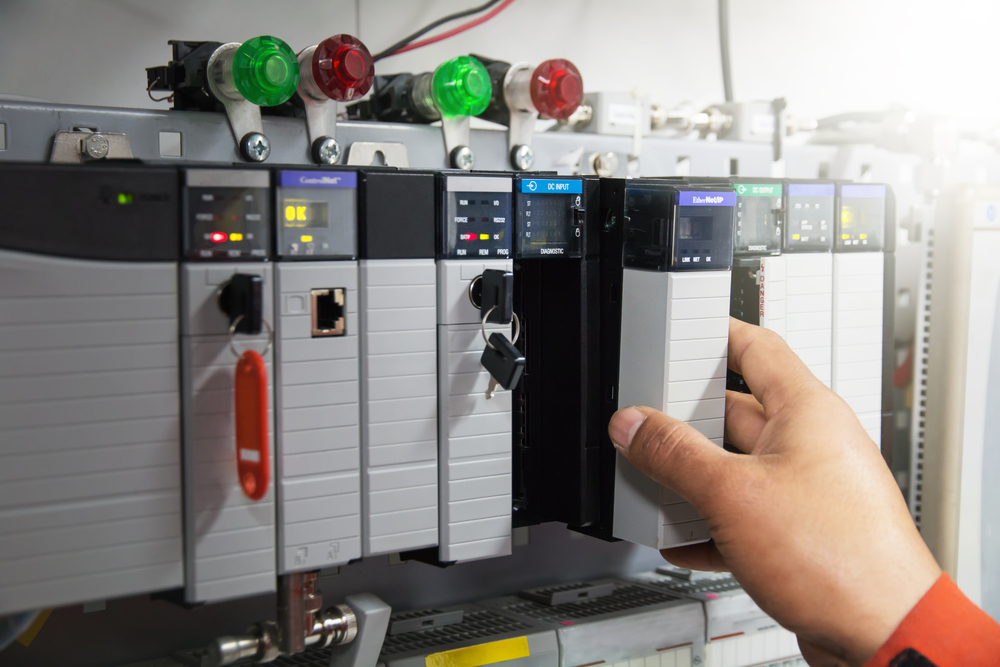
PLC Programmers develop and maintain the software that controls the PLCs used in industrial automation. Their duties also include installing and commissioning the PLC systems themselves
Duties
Writes the program control logic for PLC-based automation systems such as ladder logic, function block diagrams, and structured text programs
Collaborates with managers, engineers, equipment operators, and other relevant specialists to develop PLC-based control systems to meet organisational requirements
Writes, tests, and debugs PLC programs, configuring PLC hardware components and peripheral devices to interface with automated equipment
Works with human-machine interfaces, supervisory control and data acquisition (SCADA) systems, and PLC systems, integrating them together
Is responsible for network communication methods such as DeviceNet, Ethernet, Profibus, Modbus, etc, to enable data exchange between PLCs, HMIs, SCADA systems, and other devices in the control network
Maintains accurate documentation all work undertaken including programs, diagrams, configuration settings, and operating instructions
Tests and debugs PLC programs and provides service, support, and training to equipment operators and other engineers
Works with a constant focus on continuous improvement, staying up to date on the latest technologies, programming languages, and industry best practices
Salary £51,448 – £58,220, depending on the employer and years of experience
Process Automation Engineer

Specializes in manufacturing automation for process manufacturing industries such as (chemical, food and beverage, oil and gas, paper and pulp, petrochemical, pharmaceutical, textile manufacturing, etc…)
Duties
Implements automotive manufacturing processes to improve productivity and efficiency
Programs control systems, such as PLCs (Programmable Logic Controllers), DCS (Distributed Control Systems), and SCADA (Supervisory Control and Data Acquisition systems)
Integrates robotic, sensory, and actuator systems into industrial processes
Writes code, logic diagrams, and configures software as required
Commissions automated systems and coordinates with suppliers, contractors, and other specialist providers to install and integrate automated machinery
Performs troubleshooting, maintenance, and repair on automated machines and equipment
Salary £44,883 – £56,092, depending on the employer and years of experience
Robotics Engineer

Robotics engineers design, program, maintain, and optimize robots and robotic technologies for a variety of different and applied uses in settings such as industrial, commercial, military and research related industries
Duties
Designs robots and robotic applications according to their required task and function, taking into account the appropriate sensors, actuators, motors, controllers, and power distribution systems required, and is also responsible for the necessary software required to control the motion, perception, and decision-making abilities of such robotic technology too
Uses programming languages and works with advanced software to direct robotic behaviour
Conducts robotic simulation and testing to predict robot behaviour and validate designs and algorithms before actual implementation
Provides troubleshooting, maintenance, and technical support for robotic systems, in the form of software, calibration, and repair services
Collaborates with colleagues from a multidisciplinary range of professions to integrate and optimize robotic technology
Plays a key role in researching and developing new robotic technologies both in the form of hardware and software related advances
Salary £44,673 – £58,399, depending on the employer and years of experience
SCADA Engineer

SCADA is a network comprised of computers, sensors, programmable logic controllers, and other devices that allows for networked data communications, enabling operators to monitor and interface with machines and processes connected to SCADA systems. SCADA engineers design SCADA systems, developing control logic, graphical user interfaces (GUIs), and alarm management systems using SCADA software platforms
Duties
Configures SCADA servers, data acquisition modules, communicative protocols, and (HMI) interfaces
Collaborates with colleagues from interrelated professions to assist in developing human-machine interface (HMI) applications designed to work in conjunction with SCADA systems
Integrates sensors, instrumentation, and control devices
Configures SCADA (Supervisory Control and Data Acquisition) software
Performs network communications configuration, as well as the integration of SCADA systems with other operating systems
Performs system testing, validation, and commissioning
Provides troubleshooting, repair, and SCADA system maintenance support
Salary £57,661 – £66,882, depending on the employer and years of experience
Software Engineer

Software engineers develop and test software applications and systems according to the specific needs of the client or organisation in question
Duties
Writes programs and coding for things like application software, device drivers, firmware, operating systems, and systems programs
Collaborates with others involved in the software development process including stakeholders, product managers, and end-users, ensuring project specifications are met
Monitors, maintains, and supports deployed software systems. May perform updates, patches, and provide any other software upgrades that may be required
Continuous improvement is a key aspect of software development, and a software engineer is required to have an overriding focus on continuous improvement. As such, they will strive to stay up to date with the latest software developments and programming languages
Adheres to all necessary regulatory standards and industry requirements
Salary £36,812 – £76,004, depending on the employer and years of experience
Computer Engineering
Computer engineering is considered a sub-discipline of electrical engineering. As a profession though, it centres around the design, development, and integration of computing systems and their related technologies. It combines principles found in both electrical engineering and computer science to design, develop, and integrate computer systems and their related hardware components. As a field it is quite an expansive and is comprised of several different sub -disciplines, these include the following:
Computer Networking

Computer networking technicians who work in the area of computing engineering are responsible for developing networking technologies that allow for the exchange of data between computers and different types of devices
In this capacity, one of their main areas of focus is that of network infrastructure, which involves the design, installation, and maintenance of devices such as routers, switches, hubs, and access points. They will also be responsible for the creation and implementation of application services and internet protocols, as well as network protocols, network modelling, management, and security – allowing for the effective and secure transmission of data over both wired and wireless networks
Duties
Plans and implements computer network systems to meet the requirements of the organization or client in question
Automates network management tasks and processes using scripting languages, automation tools, and network orchestration platforms
Deploys, configures, and expands the necessary hardware and software elements of a network by putting together the relevant access points, firewalls, routers, switches, and network appliances
Performs network administration duties including managing and administering network devices and systems, configuring network settings, monitoring network performance and traffic, troubleshooting network issues, and optimizing network performance and reliability
Is responsible for implementing and maintaining network security measures and protocols to protect against unauthorized access, data breaches, malware, and other cyber threats
Monitors network traffic and analyses logs and events using network monitoring tools. Performs network troubleshooting and conducts capacity planning, traffic management, and other performance optimisation functions in the form of writing and implementing quality of service (QoS) policies
Responds quickly to security incidents and performance issues
Performs firmware upgrades, patch management, software updates, hardware replacements, and manages network configuration changes. These include documenting such configurations, maintaining configuration backups, and implementing change control procedures
Implements and manages virtualized network environments in the form of virtual LANs (VLANs), virtual private networks (VPNs), as well as facilitating software-defined networking too
Maintains accurate documentation in the form of network documentation, diagrams, and inventory records
Salary £28,684 – £43,934 depending on the employer and years of experience
Cybersecurity

This involves maintaining the operational security of computer systems and networks. A computer engineer involved in the field of cybersecurity will do things like develop software in the form of antivirus/anti-malware security, implement virtual private networks (VPNs) and patch management software, and also perform other duties that involve the development of things like security protocols, encryption algorithms, and endpoint security software
System engineers working in this capacity will also develop hardware in the form of firewall hardware technology, routers and switches, network security appliances, intrusion detection systems (IDS), intrusion prevention systems (IPS), secure access devices (such as VPN concentrators) and more…
Duties
Performs risk analysis, vulnerability scanning, and penetration testing to mitigate security risks and identify system and network vulnerabilities
Designs, implements, and maintains security architectures, frameworks, as well as policies in the form of network security, endpoint security, cloud security, and identity and access management security
Investigates security breaches and cyberattacks, responding quickly to security alerts when necessary
Monitors and analyses security incidents
Implements security monitoring tools and technologies in the form of intrusion detection systems, security information and event management systems, and endpoint detection and response solutions
Gathers and analyzes threat intelligence data from various sources
Employs threat feeds, open-source intelligence, and security vendors, as a means to identify and mitigate emerging threats, tactics, techniques, and procedures used by cyber criminals and opponents
Is responsible for developing and implementing incident response plans and procedures, specifically conceived with the purpose of containing security breaches and expediting the restoration of services after a cyberattack
Conducts security testing in the form of vulnerability assessments, penetration testing, and security code reviews, and is also responsible for promoting cybersecurity awareness and good cybersecurity practices among organisational members at all levels
Collaborates with internal teams, external partners, vendors, and law enforcement agencies to mitigate cyber threats and enhance coordination strategies
Continuous improvement is a key aspect of the role, and cyber security specialists are required to stay up to date on emerging technologies and cyber trends through ongoing training and education, as well as through conference and workshop participation
Salary £32,688 – £69,611 depending on the employer and years of experience
Digital Signal Processing

This is a field concerned with the processing, analysis, (and sometimes even the manipulation of digital signals) in the form of audio, video, and sensory data
It can involve processes like filtering techniques that remove unwanted noise, interference, and distortion from signals. Transformations which allow for the decomposition and analysis of frequency content, enabling a spectral analysis of that content to be performed. Modulation and demodulation, which allows for encoded information to be sent via carrier signals for transmission, and sampling and reconstruction techniques, allowing for the quantization and reconstruction of analogue signals from digital samples
Duties
Uses mathematical techniques such as fourier analysis, convolution, correlation, and wavelet transformation, to design and develop algorithms for processing digital signals to provide features such as filtering, modulation, demodulation, encoding, decoding, compression, and feature extraction
Designs digital signal processing systems, including hardware/software architectures, signal processing pipelines, data flow diagrams, and system-level specifications, to meet the requirements of specific applications
Duties include implementing the digital signal processing algorithms used in embedded software, firmware, and real-time operating systems (RTOS)
Employs performance optimization of digital signal processing algorithms and systems and uses simulation tools and modelling techniques to analyse the behaviour and performance of digital signal processing algorithms and systems, as well as to validate designs, and predict system-level characteristics under different operating conditions
Tests and validates digital signal processing algorithms and systems, and analyses and visualizes digital signals and processed data using tools such as MATLAB, Python, or specialized signal processing software
Collaboration is a main aspect of the role, and digital signal processing engineers are required to collaborate closely with various types of hardware engineers to design and implement digital signal processing hardware components
Continuous improvement is another key facet, and digital signal processing engineers will strive to stay up to date on emerging technologies and best practices through ongoing training, self-study, research, conference, and workshop participation
Maintains accurate documentation and complies with all relevant compliance regulations
Salary £39,982 – £70,094 depending on the employer and years of experience
Embedded Systems Engineering

Embedded Systems Engineers design and develop programs exclusively for use in particular types of hardware, such as those found in consumer electronics like watches, cell phones, and tablets. Embedded systems include programs built into many other types of things too, such as industrial robotic machinery, programmable logic controllers, distributed control systems, process control systems, supervisory control and data acquisition (SCADA) systems, engine control units, vehicle navigation systems, avionics systems, missile guidance systems, environmental monitoring systems, agricultural IoT devices, and much, much, more…collectively, these programs are all referred to as – embedded systems
Duties
May seek to understand user needs and preferences by employing data collection methods in the form of surveys, interviews, and general observations
Designs essential components including microcontrollers, sensors, actuators, communication interfaces, and peripheral devices. Will also design custom hardware components for embedded systems, including printed circuit boards (PCBs), microcontroller circuits, and sensor interfaces
Uses programming languages such as C, C++, assembly language, debugging tools, and development tools like integrated development environments (IDEs) to write, debug, and optimize firmware and software for embedded systems
Uses power-saving techniques in the form of energy-efficient algorithms to minimize power consumption
Develops real-time operating systems (RTOS) and writes software with real-time constraints to ensure the correct deterministic behaviour in embedded systems
Implements communication protocols and interfaces for data exchange between embedded systems and external devices or networks, including serial communication (e.g., UART, SPI, I2C), wireless communication (e.g., Wi-Fi, Bluetooth, LoRa), and network protocols (e.g., TCP/IP, MQTT), etc
Performs testing, co-simulation and co-verification optimization, maintains accurate documentation, and complies with all relevant compliance regulations
Continuous improvement is a key facet of the role, and embedded systems engineers will strive to stay up to date on emerging technologies and best practices through ongoing training and education, as well as through conference and workshop participation
Salary £29,118 – £55,935 depending on the employer and years of experience
Hardware Design
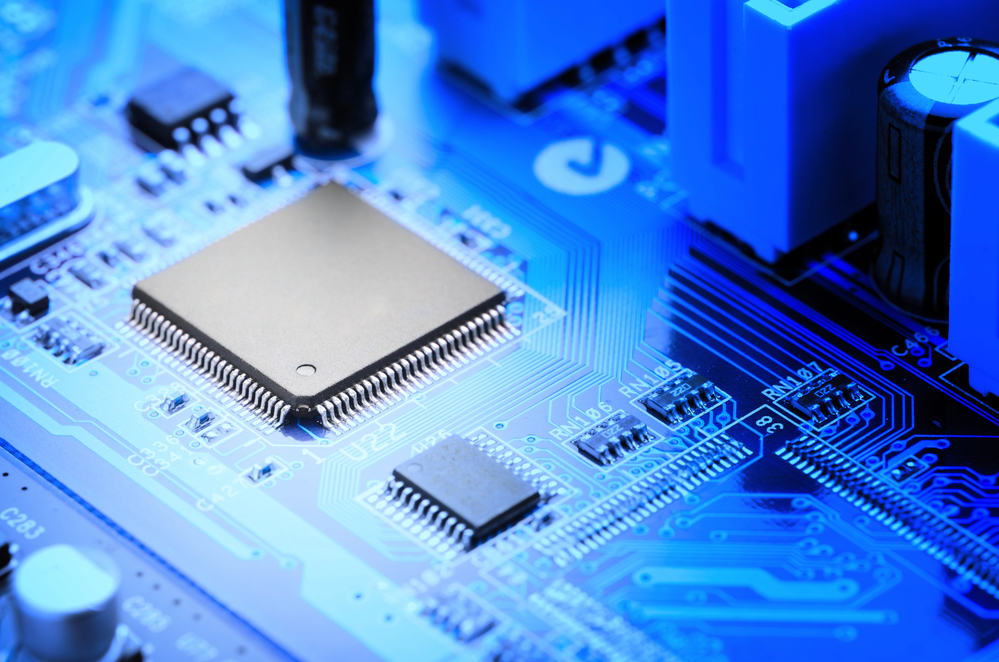
This area of computer engineering involves the design, development, and integration of computing components such as chips, internal and external storage components, and other input/output devices such as keyboards, controllers, monitors, and printers
Duties
Creates conceptual designs and architecture for hardware systems
Creates detailed schematics and circuit diagrams of electronic hardware components
Selects the most appropriate electronic components for the job in question based on reliability, availability, cost, and performance requirements
Optimizes signal integrity and minimizes electromagnetic interference in hardware constructs, designing printed circuit board layouts (PCBs) and routing traces to connect electronic components
Performs simulations and analysis using computer-aided design (CAD) tools, SPICE simulators, and finite element analysis software
Builds prototypes to validate hardware designs and performs functional testing, troubleshooting, and debugging to identify and resolve design issues
Collaborates with professionals across inter-related fields such as software engineers, firmware engineers, mechanical engineers, and manufacturing engineers, to deliver effective high-end products
Maintains accurate documentation and ensures all designs comply with industry standards, also coordinates with regulatory agencies and certification bodies for product approvals
Continuous improvement is a key facet of the role, and hardware design engineers will strive to stay up to date on emerging technologies and best practices through ongoing training and education, as well as through conference and workshop participation
Salary £32,639 – £53,322 depending on the employer and years of experience
Human-Computer Interaction (HCI)

Computer engineers are also involved in the study and development of user interface systems that improve and enhance interaction and usability
Such enhancements draw on principles from human factors engineering such as psychology, cognitive science, and ergonomics. Utilising these principles helps engineers to understand human capabilities, behaviours, and limitations, and how best these factors can be applied or overcome when it comes to the design of hardware found in computing interactions and user interface devices
Duties
Seeks to understand user needs and preferences by employing data collection methods in the form of surveys, interviews, and general observation techniques
Performs useability testing to evaluate the effectiveness and ease of use of interface products
Designs prototype and fully functional user interfaces (UI) and user experiences (UX) for software applications, websites, mobile apps, and other digital products, developing these based on user insights and business requirements
Designs digital interfaces, including control layouts, navigation menus, buttons, and other interactive elements of interfaces
Performs information architecture and information hierarchy design, organizing and structuring information within digital products for ease of use
Applies human-centered design principles throughout the product development lifecycle to create solutions that meet user needs
Collaborates with professionals across inter-related fields such as content creators, graphic designers, product managers, and engineers, to enable the integration of user/ human centeric-design principles into the end product
Continuous improvement is a key facet of the role, and Human-Computer Interaction engineers will strive to stay up to date on emerging technologies and best practices through ongoing training and education, as well as through conference and workshop participation
Salary £48.688 – £72,994 depending on the employer and years of experience