
The Healthcare Industry
The Healthcare Industry
Healthcare is a vital part of modern-day society
As a service, healthcare is something to be utilised and relied upon wherever and whenever people need it most. For this reason, it is often used by the elderly, the sick, and the most vulnerable people in today’s society
Healthcare as a sector can be separated into 3 distinct branches, Services, products, and finance


Healthcare Services
Healthcare services constitute all the different services that organisations involved in the medical profession can provide. This covers emergency care, diagnostic care, primary care, preventative care, long term treatments, rehabilitative care, palliative care, and home care. Each one of these plays a vital part in the greater healthcare apparatus as a whole, and comes with its own benefits and advantages, helping to maintain a healthy and productive citizen base within the populations they serve
Emergency care
Emergency care is an area that specializes in providing emergency treatment, giving unscheduled and often lifesaving medical care in situations where people need emergency help due to sudden or unexpected illness or injury. Workers in this profession will start off on salaries around £25,312, although this can rise to around £36,382 with the proper skills and experience

While those with more advanced skills such as doctors and those with other specialised skillsets may earn substantially more, people in this profession can expect a very challenging work environment that includes unsociable working hours, a stressful, high paced atmosphere involving life and death situations, as well as the prospect of having to deal with emotionally distressful circumstances on a regular basis
Diagnostic care
This is a branch of healthcare that is concerned with the screening and diagnosis of illnesses and conditions. This branch typically works on the basis of referrals from doctors and specialists, and those involved in this area of healthcare will typically provide services such as CT and MRI scans, x-rays, ultrasounds, and other types of diagnostic scanning services.
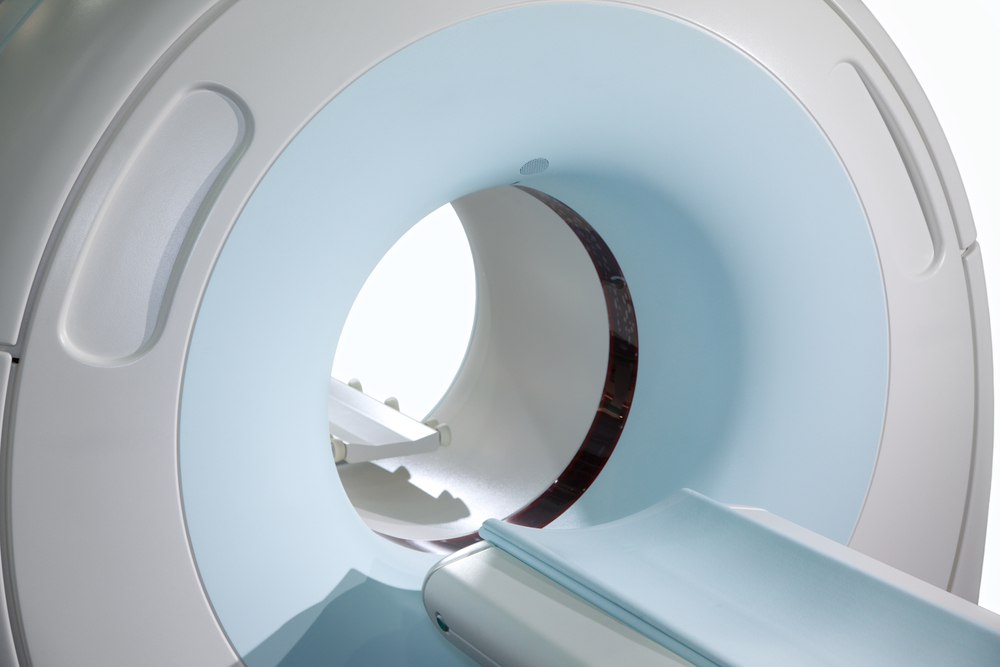
Work in this area can also involve other types of specialisations, such as histopathological work, (where blood and tissue samples are analysed), and can also extend to include other types of diagnosis work too, such as the work done by mental health professionals.
Salaries in this area can vary depending on the field of specialisation in question, and can typically range from £30,300 – £48,764 based on skill and years of experience.
Primary care

Primary care is healthcare that involves first point of contact treatment for medical non-emergencies. This will typically involve professionals such as doctors, dentists, pharmacists, optometrists, and other primary points of contact within the healthcare profession. Primary care providers perform a wide and versatile range of functions including assessing and diagnosing medical conditions, updating medical records, and advising on treatment regimens to cure basic conditions as well as to alleviate more advanced underlying ones too. Being the first point of contact for patients, primary care is normally the point at which most referrals are given, and things like prescriptions for medications are written. Healthcare professionals in this capacity typically enjoy more generous salaries than many other branches of the healthcare profession, ranging from £41, 500 to £55,780 per year
Preventative care
Preventative care is a term used to describe healthcare administered in order to identify potential health concerns and illnesses, and as the name suggests, put treatment regimens in place before those conditions get worse. As such, preventive care is comprised of a mixture of services from the primary and diagnostic healthcare professions. People involved in care at this level will perform services for patients at first point of contact with a view to implementing preventive care regimens, and from there, further referrals may be provided to diagnostic healthcare providers if needed. The advantage of working in this area of healthcare is that it can often be in a more relaxed atmosphere than some of the other branches of the healthcare profession. Salaries in preventative healthcare range from around £41, 500 to £48,764
Long Term healthcare
Long-term healthcare pertains to an area of healthcare involving nurses, carers, and others like friends and family members, who provide care to those who are no longer able to live independently on their own without assistance. This is an area of healthcare that primarily affects the elderly demographic of the population, although it can also concern others within the populace who have illnesses or conditions that prevent them from living independently without assistance too. The type of care involved in this area can vary greatly, ranging to everything from home visits, to the care provided in places like adult day care centers or care homes.
Salaries in this industry can also vary greatly too, with much of the work being unpaid in the case of friends and family

There is hope! This is an area of healthcare that the most insightful in today’s societies believe will be gradually phased out entirely – this is because there are some who believe that the work done by individuals like myself in areas like stem cell research and regenerative treatments will soon reverse the aging process altogether! If this science is allowed to reach its full potential, it has the ability to set people back to a baseline of peak physical health – making areas like long-term, palliative, and home care, branches of healthcare that will eventually be phased out at some point entirely
Rehabilitative Healthcare

As the name suggests, rehabilitative healthcare is an area of healthcare concerned with rehabilitating patients after illness or injury and returning them to a state of full health. The field itself can cover a wide spectrum of areas ranging to everything from neurological conditions, musculoskeletal conditions, cardiovascular conditions, and everything in between. Most of the work in this area is done by professionals who specialize in a particular healthcare discipline. For instance, neurologists would be the ones who would help with recovery from problems due to brain conditions, physical therapists would help in areas concerning musculoskeletal conditions, pulmonologists would be the ones to assist where respiratory conditions are concerned, and so on. Given the highly specialized nature of this field of healthcare, those who work in this area typically enjoy higher salary ranges, starting from around £35,500 and going up to over £102,981 per year
Palliative health care

Palliative care is a type of care administered when someone has an illness or condition they are unable to recover from. The healthcare utilised in this sector is designed to make life as comfortable as possible for sufferers, with most of it revolving around end-of-life care. Palliative care converges around many other areas of healthcare, and, depending on the condition in question, can involve a plethora of different services like medical equipment providers, (so that patients have the equipment they need up until the point they reach their end of life) – mental health support (helping patients deal with the emotional impact of a diagnosis) – the implementation of care plans by medical specialists (helping sufferers deal with the debilitating effects of some of these conditions themselves) – along with other types of support aimed at providing sufferers with things like financial assistance, as well as guidance in areas such as work and family… this even goes as far as to provide support with things like spiritual matters too.
Salaries in this field of healthcare can vary drastically depending on the area of specialisation in question, and will usually range from £21,810 – £250,000
Home care

Home care is an area of the healthcare industry concerned exclusively with in-home health support services. Sometimes referred to as domiciliary care, it overlaps the care found in the long-term health sector in that it centers around those who are no longer able to live independently on their own without assistance. However, while it involves many of the same types of carers in the form of nurses, care staff, and people like friends and family, it differs in that It is concerned with in-home support only. As such, those involved in this line of work will need to travel to visit their patients, and will predominantly work one on one with them in their homes. Salaries in this industry can vary greatly too, ranging from unpaid work where friends and family are concerned, to up to £42,110 in the case of qualified district nurses
Other types of healthcare

There are other branches that fall out with the categories listed above.
These are areas that can be ascribed to any number of different branches of healthcare depending on the service or procedure in question, and largely include areas pertaining to surgery and cosmetic treatments…