Science
Research Grants
Research grants are another facet of the scientific landscape, and for those who have reached the point where they are advanced enough and accomplished enough in their fields of specialisation to be interested in pursuing their own areas of research, they will often times seek out ways to do this by applying for money through a research grant

Applying for a research grant is not as easy as it might seem.
It not only requires you to have a great research idea, but it also involves being able to turn this idea into a research proposal that you can pitch effectively as well
When pitching for a research proposal, the first thing you need to do is identify the right people to pitch it to. You might have the best idea in the world! You might have found a way to live forever and make people immune to almost every illness and ailment in the known universe, but if you pitch your proposal to the wrong people, in today’s social landscape it may very well fall on deaf ears!
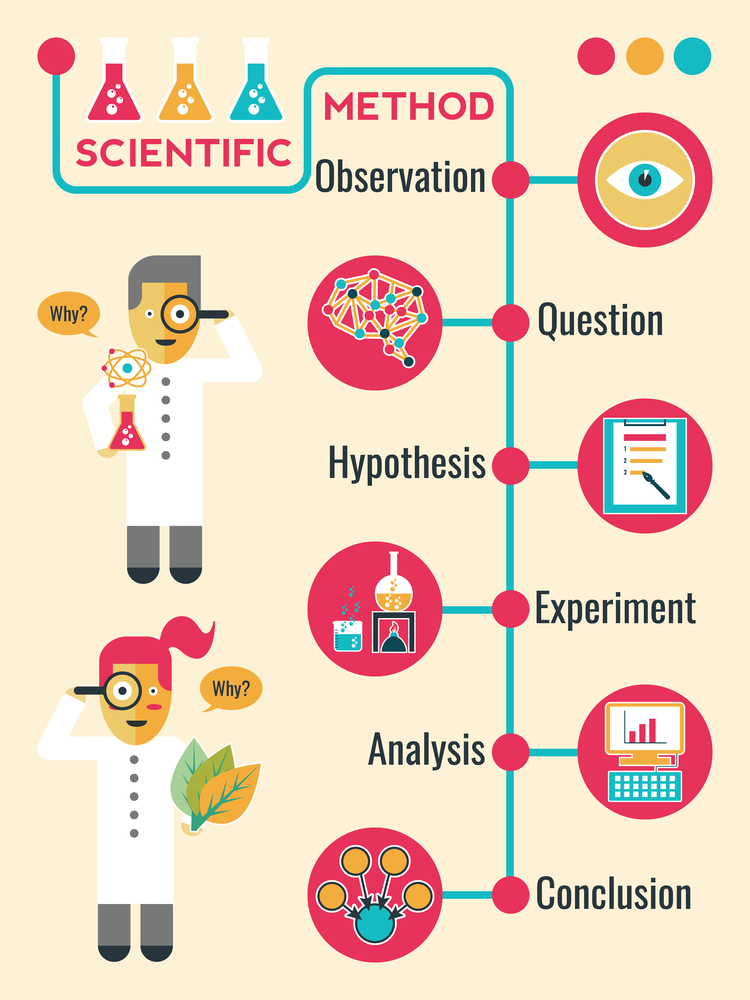
Once you’ve identified who you’re going to be pitching to, next, you’ll need to devise a hypothesis and outline how you are going to go about researching the project itself – (using the steps in the scientific method – as outlined above)
Just like interviewing for a job, when making a pitch for a research grant, a lot of the time the success or failure of it rests on your ability to connect with the people you are pitching it too, that’s why it’s essential you research them beforehand so you can understand what their priorities and mission objectives are. Doing this will enable you to understand what that person, or organisation, is looking for. For instance, an individual providing research funding might only be concerned with the viability of the research you’re proposing and in your capacity to produce the results you have promised. A corporate enterprise is often times not only concerned with the results your research might produce, but also with the longer-term commercial viability and potential applications that a given line of research promises. Whereas while an academic or governmental institution might look at both of these areas, they might be more concerned with the approach your research takes, and may prioritise whether or not it looks at any areas not currently being covered within that particular field, prioritising their grant allocations based on a combination of the potential for results, as well as the possibilities for further research and discoveries that a given line of research might bring


Good presentation and strong writing skills will be needed whenever applying for a research grant. You’ll need to write up a pitch – (a good one will often times include things like statistics and infographics), and you will also need to be skilled enough at writing to link the information you are presenting to the priorities and objectives of the person or organisation in question – just as you would do when presenting information about yourself in a regular interview
Making and pitching a presentation is an intensive process, it takes time, effort, and determination. That’s why, again just like you would do when preparing for an actual interview, you need to manage your time accordingly. A big part of this involves deciding on how much time you are prepared to commit towards composing your pitch. It is also important to be resilient and prepared for rejection, as even after all the work you’ve put in, there is no guarantee you will get the funding you seek

In the end, when pitching for a research grant, it’s all about telling a great story and accentuating the benefits of your proposal as best you can – it also involves doing your homework on the people you are pitching to so you can tailor your presentation accordingly. On top of that, it’s advisable to get the pitch reviewed by an independent body ahead of the actual presentation itself if you can…and lastly – remember that following the steps outlined here will give you the best chance possible of delivering a knockout presentation that will get you the funding you need every single time!
At present certain types of research are heavily regulated, with some being outright prohibited altogether, especially in the field of biotechnology. This has stopped meaningful breakthroughs being made in areas like life extension that would enable citizens to live much longer and healthier lives well past their normal baseline limits, and has also stopped advancements in regenerative medicine that could allow people to realistically do things like regrow lost limbs and other vital organs. This is most evident today by the lack of research being done in the area of stem cell applications, and many scientists who work in this field now feel that a massive amount of de-regulation is required if people are to access the full range of medicines and biotechnologies (including the life extension technologies) that this miraculous area of science has to offer

A word from the founder of Interview Professional
Because of their immense potential, and because of the conditions people on this planet live in today, stem cells are something that should be being studied aggressively, and while a limited amount of research is being done, instead of doing whatever it takes to make the kind of biotechnology outlined above a reality, governments instead prioritise religion and ethics in a way that makes it very difficult to access the resources needed to do the type of research that would allow us to make meaningful changes to our lives with this miraculous biotechnology
For example, things like umbilical cords can provide an abundant source of stem cells, yet instead of being used for medical purposes, they are normally just discarded after birth.
That’s why there are now many who feel that the current legislation inhibiting much of the research that should be getting done does not reflect a sensible standard of ethics, but is simply inept governance that has done nothing other than slow meaningful progress in this field progress up until this point.
That the correct research is not being done is epitomized by things like the fact that we now have the ability to regenerate bricks and stone and other inanimate objects, but are still unable to do the same with teeth and living flesh that has natural healing and regenerative qualities to begin with
Science versus Sport – How much is spent?


Science is a fundamental aspect of any civilization, as such, it has a nascent effect throughout almost every industry in today’s economy. When we consider where the money to finance science comes from though, and when we compare it against the money spent in other areas of the economy, we will be pleased to find it is one the best financed areas there is – this allows us to take huge leaps forward, improving the quality of life for everyone who is alive today. The funding for science is typically derived from 4 separate sources. The first and most prominent source of funding comes directly from the government, while the second and third sources come from private corporations and academic institutions respectively. Lastly, funding is also occasionally provided by wealthy private individuals, who have the insight and generosity to fund areas of research they have an interest in
When we consider the turnover of the industries directly involved in the scientific sector globally, it equals a figure in the high trillions. (Probably more than any other area of the economy aside from the military). The good news for those interested in a career in this sector though is that any stable government today spends a large part of their national budget on science – which not only helps create new jobs and opportunities, but also helps society to develop and progress technologically too. This spending is matched somewhat comparatively by corporations and academic institutions such as universities, who spend a lesser, although nevertheless significant amount, on research too. Combined, the global spending on science both at the basic and applied levels totals into the hundreds of billions each year. This is good news for those interested in a career in science, or who may just simply be interested in the benefits that science holds – as there is much promise and opportunity to be found in the sector today. It’s also a good indication that society is headed in the right direction by financing areas of the economy that produce meaningful goods and services back in return…
Decentralised science
Decentralised science is a new concept that has been introduced over the last several years following the recent global Covid outbreak. It is a practice that aims to bring the scientific community closer than ever before, allowing for greater collaboration from colleagues across various sectors of the scientific landscape, and enabling a greater exchange of ideas and information to be shared more freely. It works on the principle that as a species who could just as easily integrate their respective societies and progress their civilization together, that there are immensely greater benefits to closer integration and collaboration than there are to competition and division, especially on a national level. The catalyst behind the paradigm shift responsible for this new approach has been the recent outbreak of covid and the current threat this poses to the existing population bases on earth today – and in light of the fact that a global extinction level event is now possible in the world in which we live, when we consider the ridiculous costs that results from 200+ nations each having to build-up and maintain their own armed forces, the hilariously stupid loss of man hours that results from the same countries and corporations competing against each other and undertaking the same overlapping fields of research each year, on top of the countless lives and resources that are regularly lost as a result of needless wars and military actions across the globe, the extra bureaucracy that wouldn’t be needed, and the overall speed and efficiency at which civilization would progress if we didn’t have 200+ countries squabbling and competing with each over territory on earth and out in space…the untold advantages that closer integration could provide on both a national and economic scale is unimaginably immense – it’s an undisputed fact that this would vastly improve standards of living, quicken humanities rate of scientific progression, and also vastly improve the safety of each person on this planet – and it’s from these very principles that the concept of decentralised science is derived
Being able to talk about why you want to work in a particular field of science is vital when you attend such a type of interview. It’s essential you have realistic and relatable goals, and that you are able to convey these effectively to your interviewer. The majority of roles within the scientific landscape today involve some form of higher education, most commonly at the university level. It’s for this reason that the candidates who are able to link their career goals well with their studies, and who can effectively convey the kind of enjoyment and inspiration they’ve derived from them – (especially for graduate level roles), and who can effectively talk about important career milestones and the impact and inspiration this has had on their work – (especially for higher level roles), are the always the ones who will be most successful where interviewing for science related roles is concerned

When interviewing for roles in science, a lot of your success will rest on the amount of enthusiasm and passion you are able to convey for the particular field in question. For this reason, speaking about your career goals with enthusiasm and confidence is the most effective way to guarantee success. Do this by referencing back to your studies. Do this by referencing the milestones you’ve achieved – or the challenges you’ve faced, talking about how you’ve overcome them, and linking this to how they’ve inspired you to go on and accomplish newer and more challenging things. Also ensure you refer to others who have made a notable impact within your vocation too, talking about how you came across their work, and what about it that has inspired you. These are all things that are sure to convince the interviewer of your dedication and determination to the scientific vocation in question. Also make a point of saying why you are interested in pursuing research opportunities with the particular organisation you are interviewing with. Lastly, be sure to read the job description and explain why you’re a good fit, providing relatable examples and talking enthusiastically about the past experiences and studies you’ve undertaken up to that point in your career. Doing these things is guaranteed to give you the best chance of success when interviewing for any role within the scientific landscape today