
Methods of Effective Time Prioritization
Methods of Effective time prioritization in the workplace

Effective Time prioritization within the workplace is essential.
As employees, we are often hit with heavy workloads, and as such, the demands on our time are usually quite intense. That’s why, in order to be as effective in our jobs as possible, as well as to ensure we don’t get overwhelmed with our work… (which also leads into the goal of maintaining a healthy work-life balance)…effective time prioritization is often vital.
When we consider what successful time prioritization in the workplace entails, we will come to see that there are numerous types of effective strategies we can potentially employ. These are outlined on this page and we will explore them below
Time Blocking
Make use of Time Blocking as a strategic technique to help you maintain great time prioritization while performing your everyday duties at work

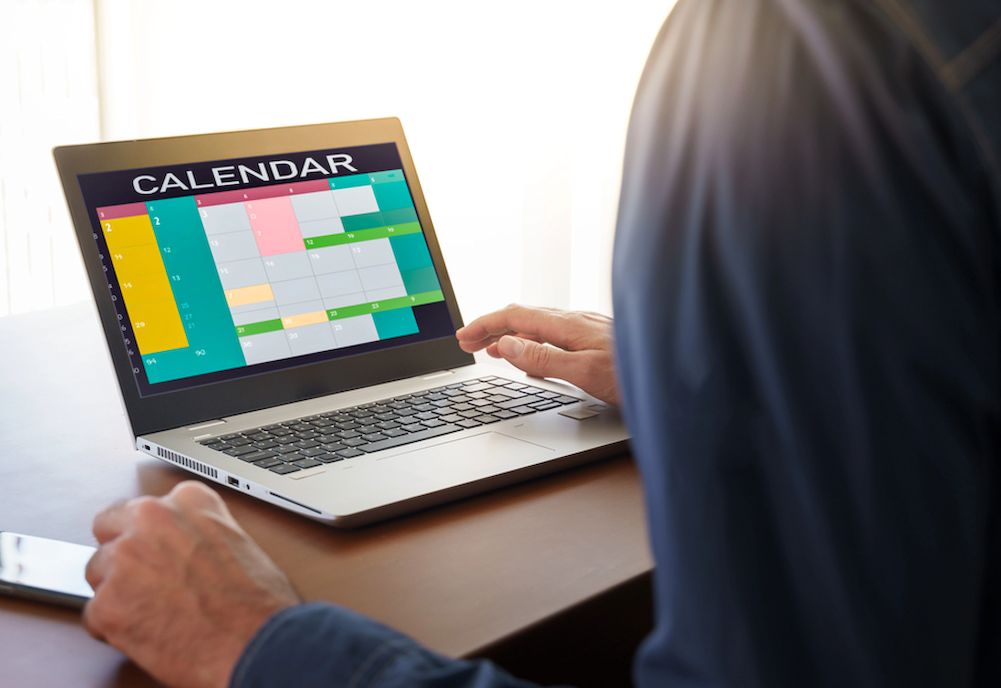
Time blocking is a time management technique where you allocate specific blocks of time in your schedule to focus on specific tasks, projects, or objectives. Instead of working through a to-do list reactively, you structure your day into defined periods, dedicating each block exclusively to a single task or type of work
Utilise this technique by designating specific time slots in your calendar to use exclusively for important tasks and work assignments such as emails, attending meetings, intensive work sessions, or just about anything else that you can think of

How to effectively employ Time Blocking as a strategic technique
- Treat each block of time as an appointment, doing your best to completely minimize distractions during that time segment
- Include breaks and downtime in your time blocks to avoid burnout
- Review your time blocks periodically (on a weekly or monthly basis) to ensure that the tasks and activities you are scheduling for yourself during those segments are making the best use of your time
- Leave a small amount of buffer time (5, 10, 15 mins) between each time block in your schedule to allow for unexpected problems or overruns
- Focus exclusively on the task you have assigned yourself during that time block and refrain from multitasking
Advantages of this technique

Dedicating yourself to one specific task at a time reduces distractions and allows for intensive work and concentration on the specific task or action in question
Time blocking enables you to better understand how much time each task or action is taking you, further empowering you to become more effective in your time prioritization and planning
This strategy has also been proven to reduce the procrastination and stress often associated with multi-tasking related activities
Ascribe yourself a Daily Prioritized Task List
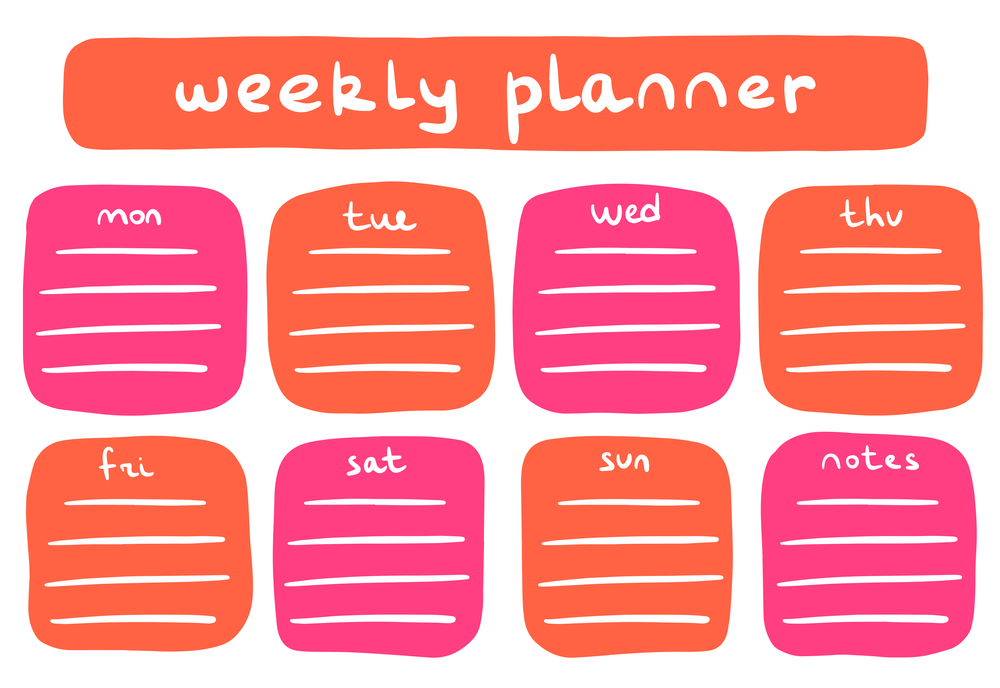
A daily prioritized task list is just as it says. It’s basically just a list of activities, tasks, and assignments written out in advance to help you make the most effective use of your time. Use this list to tackle your most high-priority tasks first, then work your way down through to the lesser tasks on the list each day
Constructing a list like this is a very straightforward and easy thing to do. You can easily make such a list on a Word document, sheet of A4 paper, or calendar, like so:
Structure the document in the following way
High Priority (must-do) tasks and assignments
These should be crucial tasks that need to be done within a set timeframe or deadline. They could be things like completing a project or a report due by the end of the week, attending a scheduled meeting that could affect a major contract, preparing for a critical presentation or pitch, responding to an urgent email from a key stakeholder, fixing a technical issue (e.g., resolving a server crash), that’s halting workflow, and so much more
Medium Priority (should-do) tasks and assignments
These are tasks and assignments that are still highly important but may be less time-sensitive
These could be things like scheduling meetings or planning events in your calendar, reviewing and catching up with emails that have built up in your inbox, researching tools or resources that are needed or may be useful for improving workplace productivity, reviewing and providing feedback on recent work projects, as well as so much more
Low Priority (nice-to-do) tasks and assignments
These are non-essential tasks that may be useful for you to perform but are not essential nor even strictly necessarily required in your role. In this way, some of these tasks may be crossed off the list without completion if time does not permit. These could be things like researching articles or blogs that could potentially help you with work related activities, redesigning or reorganising your workstation, updating team profile pictures or bios on your company website, updating your LinkedIn profile or professional resume, attending an optional meeting or webinar, exploring new tools or software applications that might be useful in your role, on top of so much more
Eliminate Time Wasting Activities
Audit your time usage to identify activities that consume time without adding value to your work (e.g., excessive social media, non-essential work related tasks, rechecking work too often, etc)
This is a more introspectively orientated activity, as it is subject both to your own perspectives on the tasks you perform, as well as on the time you take to perform them. Nevertheless, sitting down with a notepad and thinking about time expenditure for 10 – 15mins each month can be a very worthwhile activity indeed
Practice Delegation wherever possible
(Do your best to delegate Tasks and Assignments to others wherever you can)
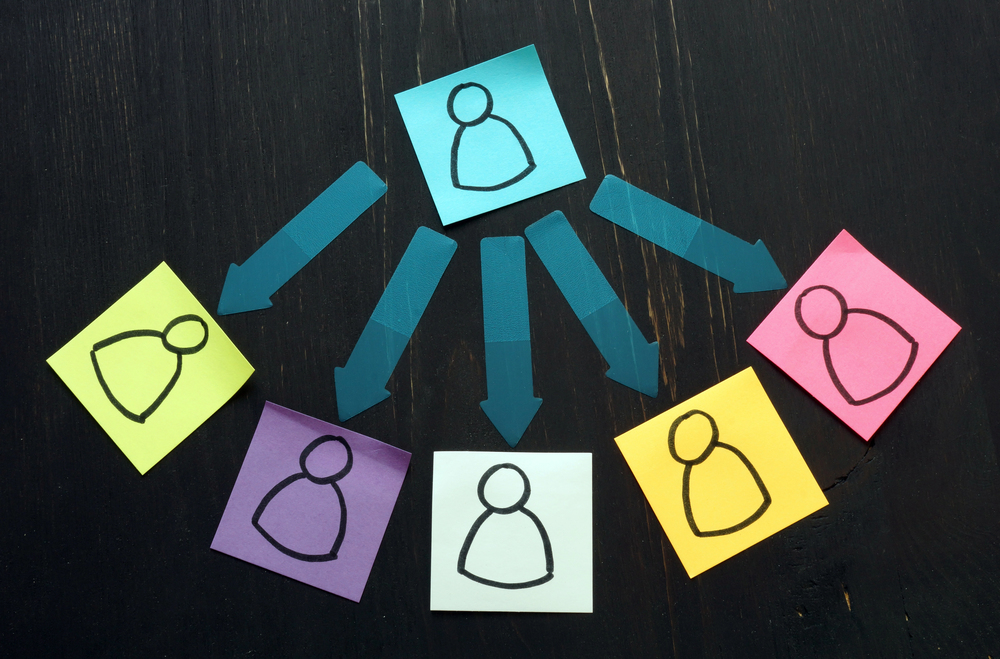
(Do your best to delegate Tasks and Assignments to others wherever you can) The more work you can outsource to reliable underlings and colleagues, the less of a workload you will end up having to deal with directly yourself. For this reason, reprioritise non-essential tasks and assign them to others capable of performing them wherever possible. Delegating tasks to others in this way will help you free up your time for the higher-priority things that need your attention. Delegation is considered to be a core competency, that’s because it is an ability that enables you to allocate tasks and assignments in a way that frees up valuable time not only for yourself, but in some instances, for your entire team or department too. For this reason, it is regarded as a great mechanism for empowering people to perform in their roles more effectively. That’s also why it is a skill often highly sought after, especially in many types of managerial roles. For more on Delegation as a core competency, see our section, Core Competencies and Must Have Interviewing Skills
Avoid interruptions by setting clear time limits wherever informal meetings or casual conversations are concerned

Meetings, especially informal ones, and conversations, (especially enjoyable ones) both have a tendency to go over their intended time limits. This can take up valuable time that would have otherwise been used for work related activities. For that reason, setting clear time limits when it comes to these sorts of things can make all the difference as far as making the most effective use of your time is concerned
Make sure you have any devices and apps switched to ‘do not disturb’

Refocusing after an unexpected interruption can take up valuable time, potentially disturbing others in the workplace too. On other occasions, workplace interruptions can inadvertently cause you to neglect your duties entirely. For that reason, utilise best practice for time prioritization by switching any unnecessary apps or devices to ‘do not disturb’, or better yet, switching them off altogether
Avoid Multi-tasking

While in some instances multi-tasking is considered a highly valuable practice within the workplace, at other times, (such as when seeking to effectively prioritise your time), it can actually be a big distraction. That’s because dividing attention across different tasks can sometimes lead to mistakes, overlooked details, and lower-quality results. Whereas on the other hand, focusing on one task at a time has been proven to enable a higher degree of workplace efficiency
Focusing on one task at a time allows you to direct all of your energy and attention onto that singular task. In this way, you are always at your most productive when performing it, as opposed to diverting your attention between different tasks and actions, all of which normally require you to re-orientate or re-familiarise yourself with those said parcels of work and information, (which in doing so), also expends additional time and effort
Juggling multiple tasks simultaneously can also be overwhelming for your brain too, and for this reason it has been associated with symptoms like increased stress and mental fatigue, both of which impair cognitive function and can reduce memory retention and critical thinking ability at the times when you need them most. Multitasking can also make it harder to gauge the relative importance of tasks too, sometimes leading to the neglect of higher-priority work. All of these are important reasons why, when seeking to make time prioritization your number one goal in the workplace, you should seek to distance yourself from other types of common workplace practices, such as multi-tasking
Prioritize Self-Care
Self care, when spoken about in this context, simply means taking good care of yourself both from a mental as well as physical standpoint too. This is a basic but important principle that surrounds not only the best practices you employ where your health and wellbeing is concerned in a work related capacity, but in a broader sense, the best practices you employ to it in a personally related capacity too
While your lifestyle habits may seem irrelevant from a workplace perspective they are far from it – and these will have a direct bearing on how you are able to perform in your given role within the workplace! Moreover, employers are well aware of this, and it’s for this reason that as a candidate, they are keen to learn as much about you as an individual as possible – not just about your skills and past duties as a candidate, but also as much as they can about who you are as an individual too. That’s because things like your hobbies and interests, and in a more broader sense your lifestyle choices, all lead directly into the effectiveness with which you are able to perform your duties. In particular, they lead into how effectively you will be able to employ important techniques like time prioritization strategies in your role. For this reason, do your best to use the following best self care practices when it comes to utilising effective time prioritization within the workplace
Maintain good health habits in the form of the following:

❗Ensure you schedule in appropriate breaks and rest periods to give yourself time to properly recharge throughout the day
❗Get proper rest each night (7 – 9 hours of rest is recommended for the average adult)
❗Make sure you eat well throughout the day, in particular, doing your best to get up in enough time each morning to have breakfast…This will ensure your body and mind have the proper nutrition and energy levels they need to function at their optimal levels while at work
❗Do your best to get regular exercise. Whether it’s walking to work, playing a sport on the weekends, or adhering to an exercise regime that’s a bit more intense, regular exercise has been associated with reduced levels of stress and increased levels of productivity, and will generally help to keep your body fit and healthy so you are able to show up at work each day and perform your role to your utmost effectiveness

❗Make use of mindfulness techniques. That’s because employing mindfulness techniques like meditation and deep breathing exercises can help you stay focused and in tune not only with yourself, but with your surroundings, the duties you perform, as well as with your daily work schedule too. As such, they can be quite useful (both inside and outside of the workplace) when it comes to how we go about applying effective strategies like time prioritization. (For more information on deep breathing exercises and mindfulness techniques see the section.
The Best guide for Dealing with Interview Nerves on the Planet – Courtesy of Interview Professional)
Use practical tools to help you make the most of effective Time Prioritization
There are many practical tools you can use that can be invaluable when it comes to helping you maximize the effective prioritization of your time. The 3 types of categories they belong to are listed below
Digital Tools

Apps like Trello, Asana, Todoist, and Google Calendar can help you manage tasks and schedules with ease. They are normally quite intuitive to use and are usually reasonably priced too
Physical Tools

Planners and diaries are another great tool to have when it comes to helping you manage your time more effectively too. These are inexpensive and are also very easy to use…
Timers
Tools like Toggl or Timeular are great ways for you to track time spent on activities. Used in conjunction with the other digital and physical tools mentioned here, they can not only help you effectively manage your time, but are also great for helping you understand the areas you are spending it most on so you can optimize your time accordingly