Manufacturing
Safety
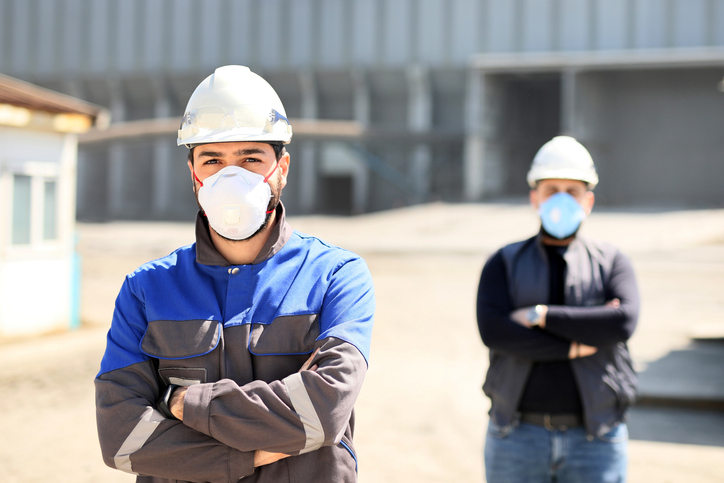
Working in the manufacturing sector comes with many possible hazards, and this is one potential drawback you may need to think about carefully before considering a career in manufacturing. Depending on what industry you’re working in, you could be facing things like hazards such as injuries and sprains from the lifting of heavy objects, encountering danger from the fire or explosions that could occur in the refining of petroleum products, be exposed to fumes or chemicals in industries like steelmaking, or the gases, vapours, and smoke that occurs from the production of the products and packaging made in chemical manufacturing, all of which can pose serious inhalation concerns. These are dangers that employers first and foremost have to take into consideration whenever looking to hire new staff, that’s why it’s a great idea to focus your attention on safety whenever interviewing for a manufacturing position, especially if you have first aider or fire safety training experience. (If you’re interested in a job in manufacturing but only have limited qualifications and want to make yourself more eligible, not only is such training cheap and easy to obtain, but it can be a great life skill to have at your disposal too)! In the workplace, employers will take appropriate measures to safeguard against such hazards by instituting the appropriate workplace policies to ensure your workspace is free from unseen hazards and is clean and free from clutter, to ensure your workspace is properly heated and ventilated, and to ensure you have the appropriate personal protective equipment needed to do your job safely; such as googles, earmuffs, gloves, footwear, breathing apparatus, etc, as required. It’s also an area that departments like the National Institute for Occupational Safety and Health (NIOSH) monitor so they can try to come up with the safest working guidelines for workers in these industries as possible
In manufacturing, there are safety regulations in place not only to cover the workers in these industries, but also to cover the products they produce. While this can often put additional pressures and responsibilities on you as an employee, at the same time, it also ensures you can take pride in the quality of the products you help produce. While these regulations will vary from industry to industry and will affect you in different ways depending what role you perform, they set a standard that you as an employee are required to maintain, and many times this is something that will be worked into your performance targets. For instance, in the automotive industry, one of the largest manufacturing sectors of the economy, there are stringent safety standards that must be adhered to! If quality is not met and a manufacturer’s products aren’t produced to a standard where it’s deemed a safety issue, there are always serious repercussions for that manufacturer. This can range from things like large fines, bad press, to the most serious repercussion of all, a product recall. Because of things like this, operations and quality assurance testing are a routine part of the working landscape in the manufacturing industry, and workers will be held accountable for their own performance if it isn’t up to the standards set by their employers and industry regulators. In some industries, security is also a factor too, and there are some parts or processes that may be restricted or classified to those without the proper clearances. In the US, UK and Europe, these are all areas that are overseen by various regulatory bodies like the FDA, IPC, CAA, ILO, HSE and the Offices for Product Safety and Standards, among others
Environment Impact of Manufacturing
One of the drawbacks of modern-day manufacturing is the huge impact it has on our environment. It’s a widely known fact that many of the industries within the manufacturing sector have had a seriously detrimental effect on the environment over the years, contributing to a significant depletion of the ozone layer, which in turn has increased global warming, letting harmful radiation enter the atmosphere and increasing CO2 levels around the globe. While manufacturing itself is an area that is regarded as highly essential for the economy, the detrimental impact it has on the environment is not, and is something viewed in a very negative way by the public, as well as by many of the bodies responsible for governing society as a hole. As an example, steelmaking alone is thought to be responsible for 7 to 9 per cent of all fossil fuel greenhouse gas emissions around the globe!
It’s an established fact that factories have a huge impact on the environment, contributing to significant amounts of water, air, and land pollution across the globe. Many of the manufacturing processes and resultant waste by-products that occur as a consequence of modern manufacturing activity affect local plant life, marine life, and wildlife, in various detrimental ways. On top of this, in spite of the stringent measures put in place, the illegal dumping of dangerous waste by-products from factories and chemical plants is still a problem, and although it’s been made highly illegal because of the serious damage it does to the environment and local ecology, it does occasionally occur, which is why any business caught doing this faces anything from large fines to jail time, depending on the severity of the infraction
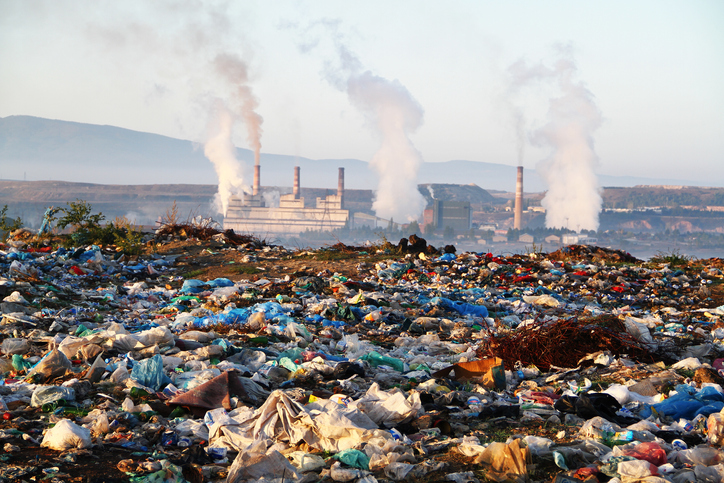
Worldwide, factories and their accompanying manufacturing processes are thought to be responsible for upwards of half of all greenhouse emissions. Over the years, governments and responsible corporations have sought to limit these emissions and the harmful effects they have on the environment. While the introduction of new processes and technologies has significantly helped to reduce this impact, the associated costs to businesses both in time and money spent to upgrade or purchase new equipment, or to introduce new environmentally friendly processes, still continues to be a significant factor, and is perhaps the biggest hurdle when it comes to encouraging manufacturers to take more responsibility for the impact they have on the environment. The good news though is that more and more governments are setting lower and lower carbon emissions targets, and the environment, with global warming in particular, is increasingly at the forefront of many political agendas. Although a lot more work is still needed to bring carbon emissions down, many observers believe that as a sector these factors have pushed it forward in the right direction
Manufacturing and the Economy
An increase in the standard of living will create a growing middle class in developing countries over the next few decades. This is projected to create an increased demand in the manufacturing sector when it comes to products like automobiles, heavy machinery, and aircraft, as well as for everyday consumer products like household appliances, furniture, consumer electronics, clothing, cosmetics, and more. Due to the dynamic of globalization, countries that are able to provide cheap labour sources typically become manufacturing hubs for lower-end products, like South America, China, and other Asian countries. Whereas high-grade technologically advanced products are usually produced in Western European countries and North America. While this dynamic may shift over time, with Africa becoming the hub for more and more cheap low end products, and the high end items that are manufactured around the globe distributed more evenly between Asia, Western Europe and North America, in the meantime, as a sector, manufacturing is an area where demand in a given country or region doesn’t always translate into sales in the same place, and as such, it’s susceptible to a high amount of outsourcing
While many industries within the manufacturing sector enjoy steady profits year on year, peaks and declines in demand (many times linked with economic outlook as a whole), supply chain issues, and energy prices, all affect manufacturers in very serious ways. On top of this, there is the intense competition that manufacturers face from other manufacturers around the globe. Therein, the drawback to manufacturing as a sector is that it’s easily affected by global markets, which again, makes it highly susceptible to layoffs and outsourcing
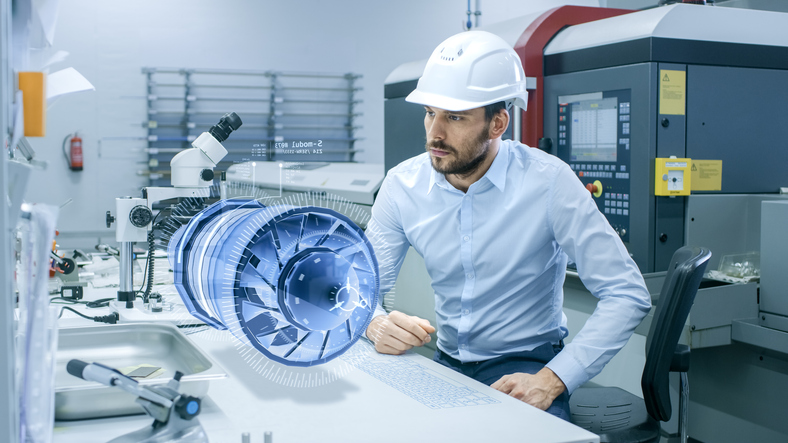
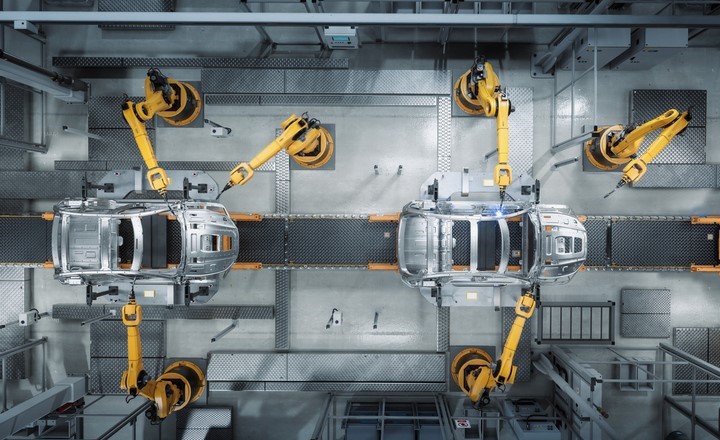
Manufacturing over the decades is an industry that has become more computerized and automated. As such, it means that some of the jobs once performed by human laborers have been replaced with machines and automated equipment. While this cuts costs and makes processes even more efficient, this facet of the manufacturing sector, combined with the high amount of outsourcing to countries with cheaper labour costs, means that many of the industries compromising it are suspectable to layoffs and changes to conditions of employment. If you’re looking for a career that matters though, and want a job that pays well, even if you only have limited qualifications and experience, a career in manufacturing can be a great place to start your job search