
Manufacturing
Manufacturing
Manufacturing is not only one of the cornerstones of any modern society, but of modern civilization itself. It concerns the manufacture of goods and products throughout the various sectors of the economy that constitute manufacturing as a whole, and involves the streamlined and efficient manufacture of products using machines, tools, and other complex processes to turn raw materials into high-grade finished products, as well as the use of chemical or biological processes to make things like cleaners, detergents, medicines, and other useful commonplace household items
Depending on the industry, companies may manufacture and distribute products directly to retailers themselves, or they may sell to wholesalers, who buy in bulk from them at discounted rates, ensuring a stable revenue stream for manufacturers, who can then plan ahead to staff and resource properly, normally years in advance. This is how manufacturers stay in business and make their money. The wholesalers then in turn sell to retailers, who for a significantly increased cost sell to the consumer, which is how the commercial manufacturing chain keeps itself afloat
As an area of the economy, manufacturing is primarily concerned with efficiency and cost effectiveness. As a generalization, it’s true to say that businesses are seeking to make the most amount of units for the lowest amount of cost possible. Because of this, many of the roles in it are highly performance centric (measured by units per day) so they are highly metric driven. That means that they normally are fast-paced, high-pressure, and very demanding. Brand reputation and quality assurance are big factors too, and the quality and safety standards set throughout various industries, combined with the standards that brand name manufacturers set for themselves, ensures many products will always get made to a high standard

By working in the field of manufacturing, you’ll not only be performing a role that’s valuable, but sometimes, one that is essential for your economy. In the manufacturing profession, the range of roles available consists not only of your average assembly line worker on the factory floor, but also of multitudes of other types of roles you can perform as well. This means everything from quality control inspectors, tailors, manufacturing technicians, designers, design technicians, welders, frame assemblers, woodworkers, chemical engineers, engine machinists, draftsmen, precision sheet metal operators, metal fabricators, technical assistants, fluids specialists, engineering specialists, chemical specialists, chemists, processing technicians, processing engineers, lab technicians, senior designers, production managers, supervisors, team leaders, change managers, floor and plant supervisors, along with many other types of mid to senior level management and administrative positions, and so much more…
Manufacturing is an area where processes are continually being improved and streamlined. In manufacturing most work is done on assembly lines; this aids the time and efficiency in which products can be produced. Technology is also used to speed up and enhance production processes too, like rapid SMT lines (Surface Mount Technology), hydraulic arms, miscellaneous types of automated robotic technology, and in more recent years, 3D printing. These have all helped to streamline current manufacturing processes and make them more efficient, cutting costs and increasing manufacturing output. Today, in some sectors of the economy, modern manufacturing techniques have become so advanced, with the end line products made so well made, that it’s said those products now cannot be made any better with the current materials available…and some believe this trend will continue until a new era of technology replaces modern manufacturing techniques entirely… this might come about when more advanced forms of 3D printing are found, or when advanced nanotechnological construction processes start to be implemented, or when even more advanced methods still, (later on into the ‘future’) like using matter to construct products by phasing them into existence through energy transfer are discovered, but without access to longevity treatments, it’s unlikely anyone living on this planet today is likely to see such methods in their lifetimes
In manufacturing, the good news is that while some roles might require weekend work, many of the various fields that comprise it have straightforward working hours, consisting of Mon to Friday, standard daytime work. Sometimes shift work is involved, but in roles where it’s required it tends to be regular and sticks to the same pattern, (as opposed to being irregular with different shift patterns each week).
Some roles in manufacturing, such as oil refining, may require you to work away from home for long periods at a time, but this is the exception to the rule, and workers who do so are always very well compensated

There are many sectors in the sphere of manufacturing, many of which are integral to the economy and to society as a whole, including areas such as the automotive industry, aerospace and aircraft manufacturing, heavy machinery manufacturing, refined petroleum manufacturing, shipbuilding, steel manufacturing, the clothing industry, the furniture industry, consumer goods, and the consumer electronics industries among others
Manufacturing is regarded as an area that’s constantly shifting by ever increasing advancements in technology. These advancements have impacted the various industries that constitute it in very different ways, but tend to be largely positive overall. In the automotive industry, increases in automation, self-driving cars, and the increasing shift towards electric vehicles have impacted it greatly, causing a higher need for skilled workers, while still keeping projected demand for automotive products strong over the next decade and more. In the aerospace and aircraft manufacturing sectors, a projected increase in travel demand attributed to rising standards of living in developing countries will create new growing middle-class populations around the world, these populations will want more travel to tourist destinations, which is anticipated to increase the demand for aircraft production. Likewise, in other areas of society a growing number of buildings, infrastructure, and other construction projects is expected, increasing the need for the production of heavy machinery, along with the growing demands for everyday consumer goods, electronics, fashion apparel, and household appliances that these new bludgeoning middle-class populations will create. Consequentially, in areas such as steel manufacturing, where challenges such as an over-investment in infrastructure, along with high raw material costs and price volatility, means that job prospects are not what they once were. In oil refining too, there is speculation as to this industries long-term variability now that many accessible oil fields have now been exploited to their limit. This, combined with tough new global emissions targets, on top of the fact that many countries are now also looking for ways to reduce their dependency on oil and increasingly implement policies that specifically promote alternative energy sources…such as the gradual transition over to electric only vehicles, means that as an industry, its days are more than likely numbered
For those considering a career in manufacturing, a huge advantage is that while entry requirements are usually quite minimal, wages are normally well above average throughout many of its industries. Employers will usually perform drug screening and background checks, and sometimes physical fitness tests, but once your foot is in the door the pay is usually great, the working hours are usually straightforward, and there is usually good overtime when demands for orders peak. For example, although ASE or automotive and engineering certifications will help significantly, as will other qualifications in areas such as auto mechanics, electronics, and welding, you can get into the automotive manufacturing industry with as little as a high school diploma. Frontline assembly workers can earn as much as £32,000 plus benefits, with even higher wages for those in more specialised or supervisory positions
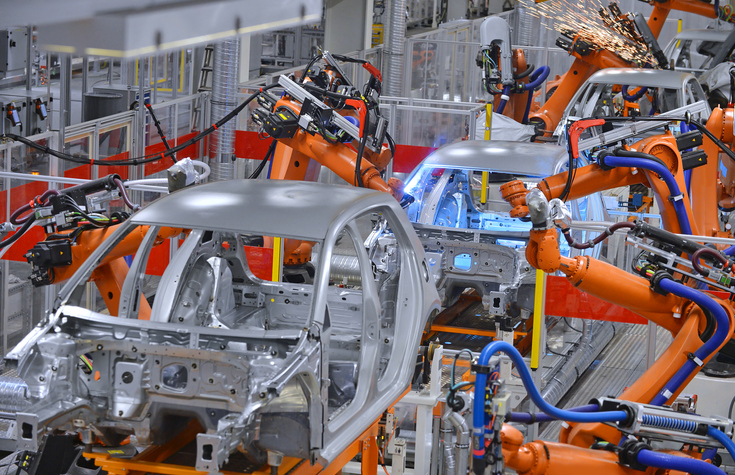
Necessary for construction, excavation, and infrastructure projects, workers involved in heavy machinery manufacture can earn upwards of £30,000 a year, also with minimal entry requirements
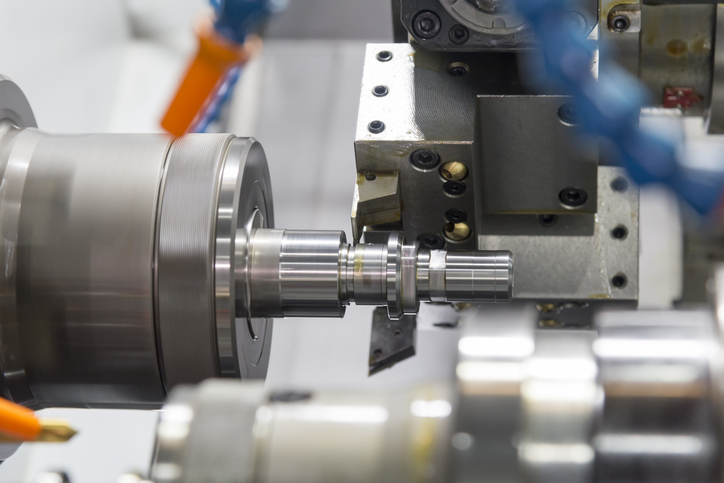
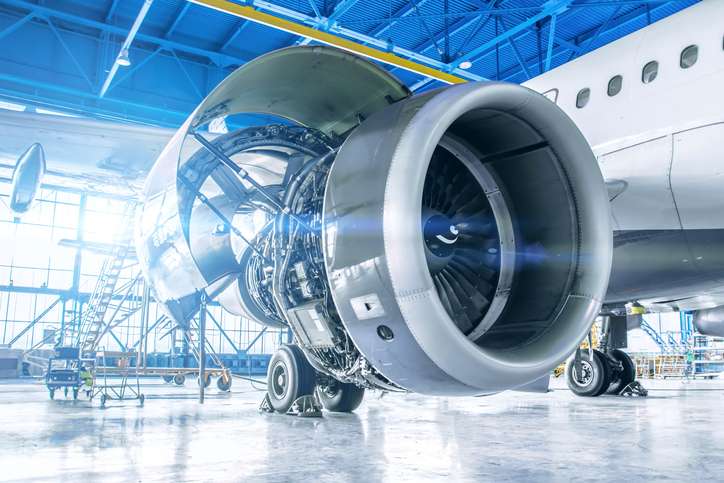
Aircraft manufacture is another field where entry requirements into the field are often minimal. Although engineering and maintenance certifications are a huge advantage, this is another field you can enter with as little as a high-school diploma, with frontline assembly workers earning of upwards of £43, 000 per year
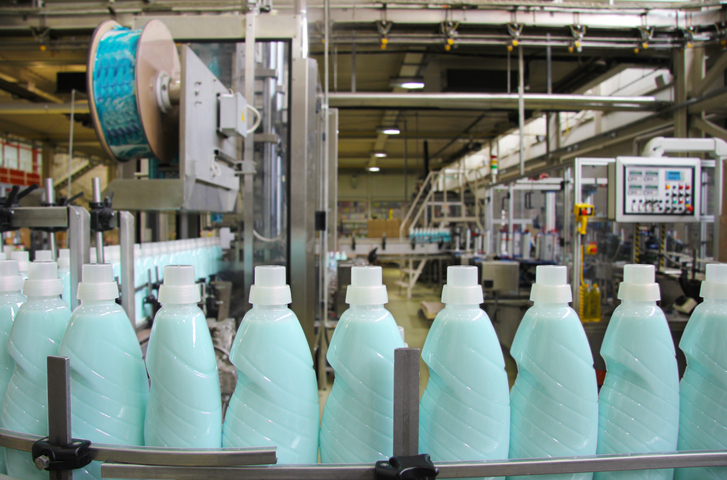
In the chemicals industry, where sophisticated manufacturing and production techniques are responsible for making essential products and materials such as plastics, polystyrene, packaging materials, fertilizers, pesticides, cleaning products, adhesives, sealants, paints, detergents, food additives, cosmetics, and so much more… a frontline worker can earn around £35,000 per year, although in this sector degrees such as chemical engineering, process engineering, or biochemical engineering are normally required
In the clothing industry there are minimum requirements for frontline workers too, but this is field is an exception to many other in the manufacturing sector as the pay is usually quite minimal

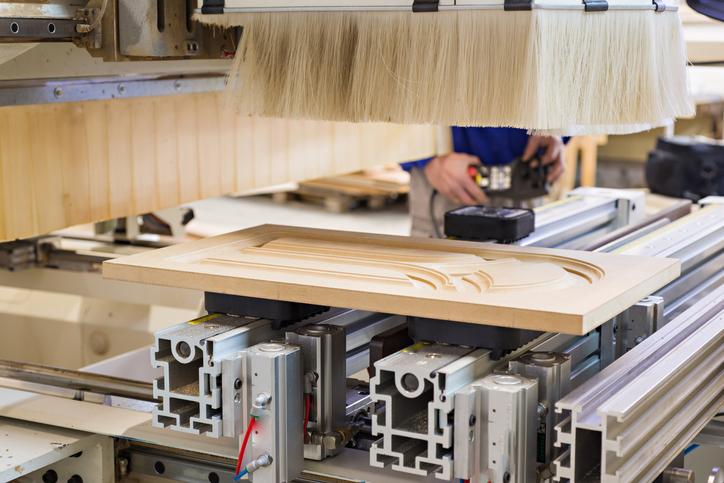
Furniture making is another area within the sphere of manufacturing, and wages for frontline workers can vary greatly depending on the role in question. Frame assemblers can earn between £18,000 to £23,000, upholstery technicians can make between £25, 000 to £30, 000, and wood machinists can make upwards of £26,000 per year, although these positions often require vocational certifications in areas such as wood crafting or machine operation
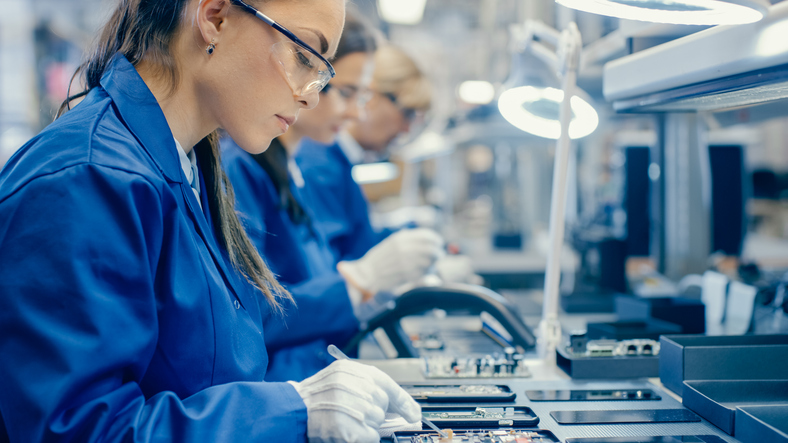
Consumer electronics is another one of the main fields in manufacturing, and a frontline assembly worker can earn anywhere from £20,000 to £60,000 a year depending on their role and vocation within the industry. Advanced qualifications are usually required to work in this field though, such as certifications in electronics, or degrees in fields like electronic engineering
In oil refinery, a worker can earn wages of between £70,000 – £100,000, and although you can technically get into this industry with as little as a high school diploma, typically a BSc or MSc degree in a relevant field such as Oil and Gas Engineering, or other type of engineering degree, along with a requisite amount of experience is usually sought after, on top of which, long periods of working away from home may also be required too

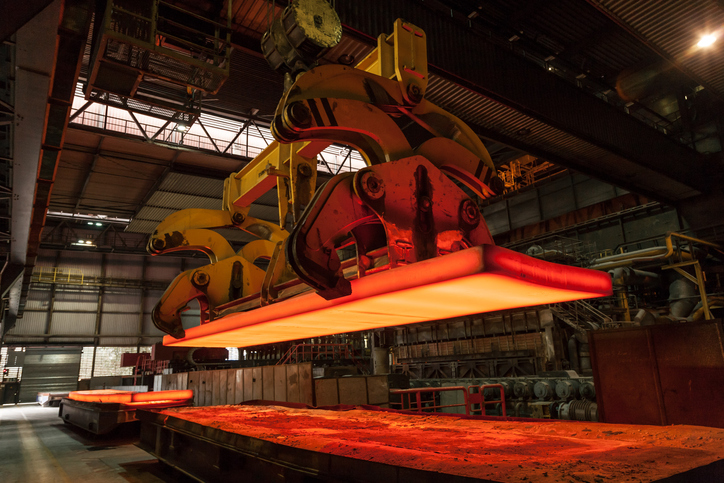
In steelmaking and shipbuilding, two more essential sectors of the economy, although advanced vocational skills and certifications in areas like welding and precision sheet metal operation may be required, skilled frontline workers can earn upwards of £40,000 – £52,000 a year respectively

As we can see, most of these areas pay well above the average pay found in other sectors of the economy, for doing what in some instances might be only classed as menial, or semi-skilled work at best. That’s why, when we consider many of the individual fields that compromise manufacturing as a whole, although experience and qualifications will always give you a huge advantage, if you can make it to the interview stage, and if you are able to put yourself across as someone who is enthusiastic about the role and who is a natural team player, and above all else, if you are able to successfully build a great rapport with your interviewer during your time with them – then you have a great chance of getting into a frontline role in some of these industries with only the most minimal of experience and qualifications. Don’t forget that there are also the higher wages that come with the more specialised roles within many of these industries like designers, technicians, welders, engineers, technical assistants and lab technicians, as well as all of the managerial, supervisory, and administrative roles available within these sectors too. Although additional qualifications and degrees will be needed for many of these, the career choices available provide great options that can set you along a very well-paid and rewarding career path