Information Technology
Information technology is an industry that is constantly evolving, and this is typified by the technological advancements that even now continue to happen today at a rapid pace. For instance, in the year 2000, 75% all of media was still stored on analog formats. Just seven years later, as of 2007, 95% of all data worldwide was stored digitally. Although some thought a technological ceiling might be approaching, this hasn’t happened, and with the advent of quantum computing, the average capacity of data storage and computational power is projected to double every 3 years, which is why upgrades in areas like computing are still continuing to happen in the I.T field at a rapid rate
It’s for the reason outlined above that those interested in a career in I.T must also be prepared to regularly update their skills and knowledge, so what does this translate into?
This means when going for roles in I.T, a heavy emphasis should be placed on training and continuous improvement when speaking with the interviewer

Not only do those who work in the I.T profession normally need formal qualifications and advanced certifications, but they will also need the expertise to work on both hardware and software related aspects of I.T systems alike. This includes being able to work on things like operating systems, CRMs, servers, cloud technology, and more
I.T is a field comprised of highly skilled workers that as an industry its almost completely nascent throughout society today. As such, it has lots to offer in terms of not only the diversity of roles and experience it provides, but also in terms of what it brings into the greater economy as a whole. Here is a list of some of the main facets of which the I.T industry comprised
A.I and ML

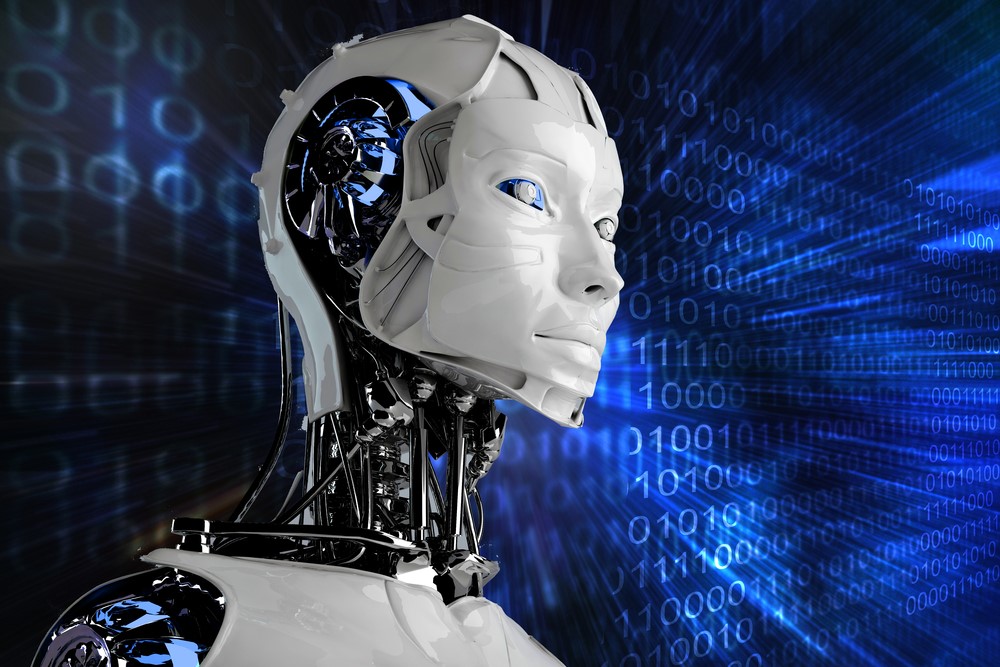
Short for artificial intelligence and machine learning, this is a new frontier that has opened up on Earth recently and the implementation of advanced artificial programs will have a huge impact on the range of functions that the I.T industry performs over the coming decades. This is as regards both advanced software programs and more smarter machinery alike
Automation Tools
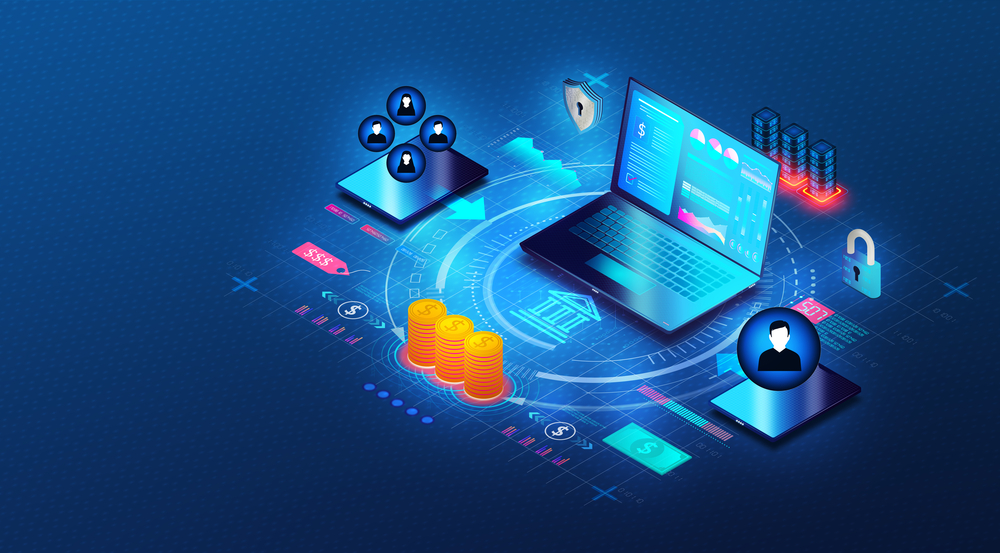
Automation tools are programs, software, or functions, that help a business achieve greater efficiency by streamlining their work through automated processes. This can be done throughout a range of different areas like business analytics, auditing, accounts receivable, claims processing, customer support, and much, much, more…and is another area that those in I.T are heavily involved with
BIOS firmware
Such firmware is necessary for systems and programs to operate on and is an important area in terms of the implementation, upgrades, and fixes that those in roles such as system administration and technical support within the I.T industry provide
Business analysis

I.T is an area that empowers strong business analysis. By providing the necessary analytical tools this empowers companies to make informed decisions based on consumer demand and buying patterns
Cloud computing

Cloud computing uses remote servers that are linked to the internet. These can be used to upload, store, and process data, enabling a greater range of versatility when it comes to storage options by providing the means to save information without the use of computers or external storage devices
CRM’s
Customer relationship management software (or CRM) for short, is what allows companies to create and manage customer accounts. There are many types of CRM software available today, and each one provides a different type of functionality based on a company’s needs – enabling them to do things like book appointments, bill customer accounts, and provide other access to goods and services based on that industry in question
Cybersecurity
Cybersecurity is essential in the modern world of today. It involves keeping systems safe from things like cyberattacks that attempt to gain unauthorized access to networks and computers, and from computer viruses that can damage systems and networks. As such, cybersecurity is one of the biggest focuses of those who work in the I.T industry today
Database Management Systems (DMS)

Those who work in this industry are also responsible for the design and implementation of Database Management Systems (DMS). This pertains to the software and hardware that enables the management and archiving of various forms of information such as documents and data files
DevOps
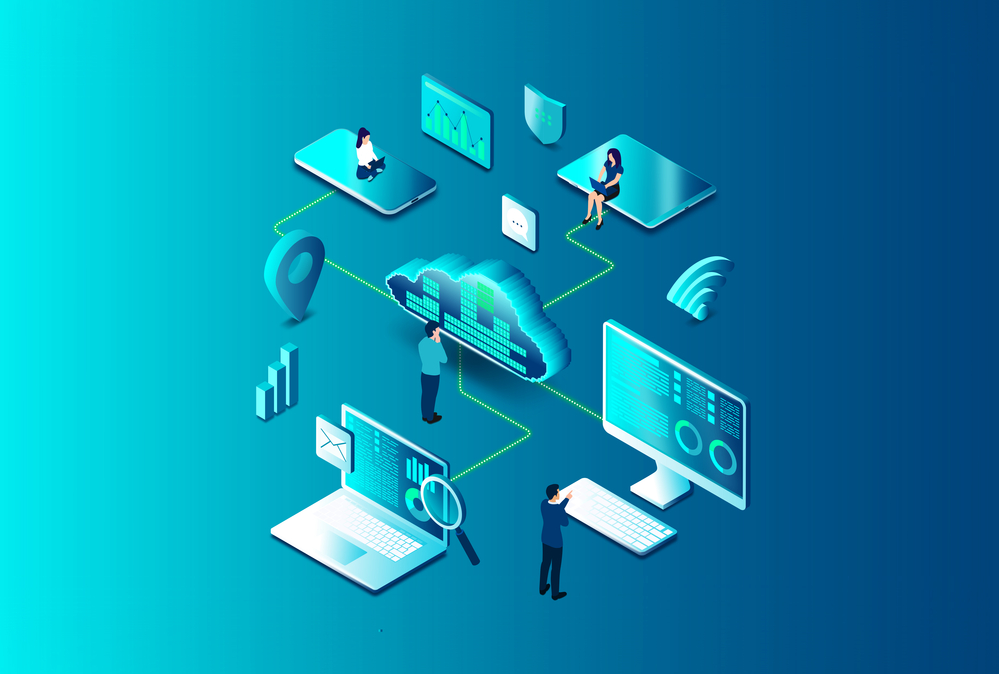
Defined as a working methodology. This is a set of working practices that those in the industry follow, allowing for greater automation and efficiency wherever the implementation of I.T systems is concerned
Edge computing
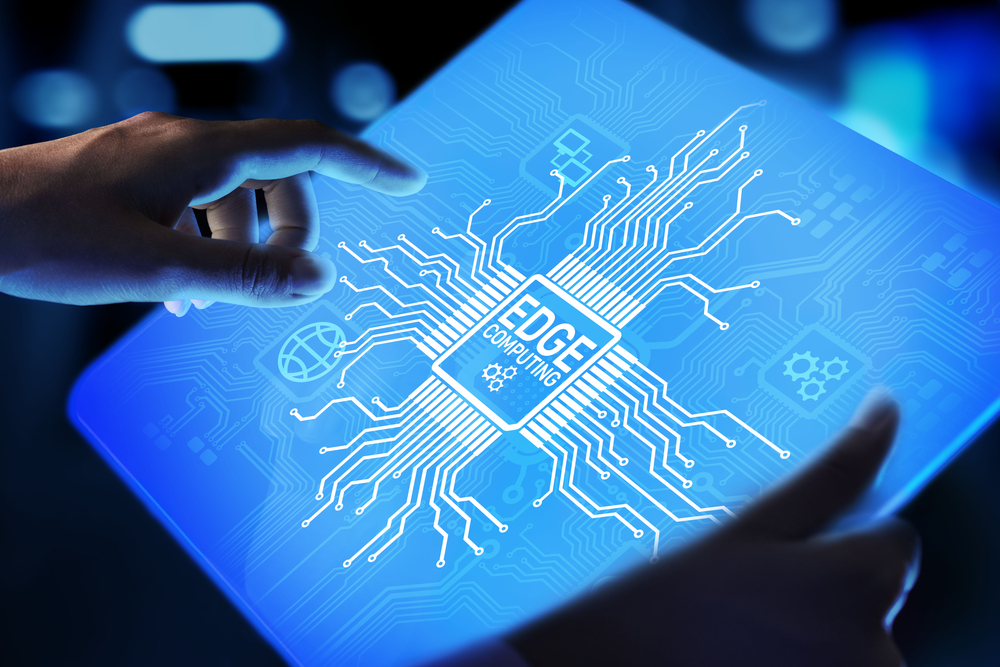
Edge computing is a method of computing (or computing methodology) where data is collected and processed on location, rather than being sent back to a datacentre or cloud system

I.T is important for the effective use of emailing services as pertains to things like message transmission delays, and matching up proper email domains to ensure emails reach their intended destinations
Front and back-end systems
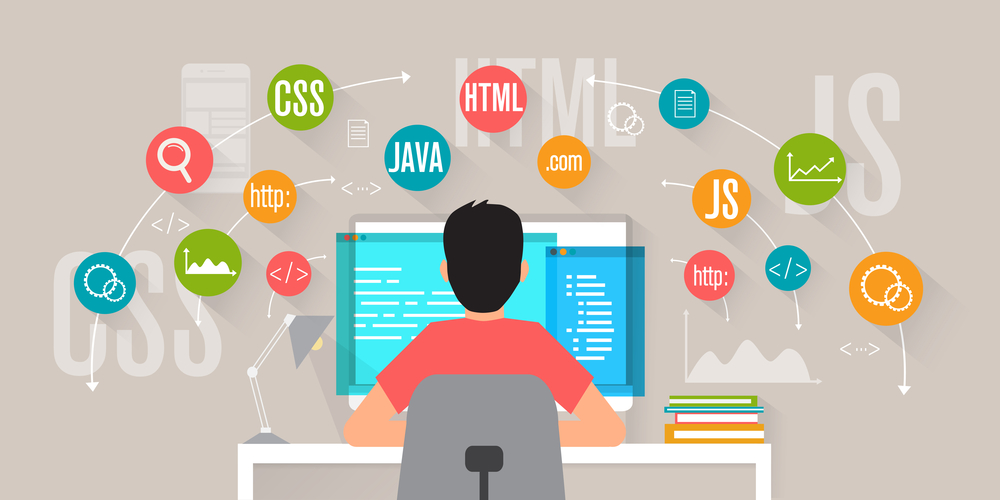
A front system is a generic term for any part of a system that users can access and interface with. A back-end system is the part of the system that can only be accessed by system administrators or back-office support personnel
Hardware and software
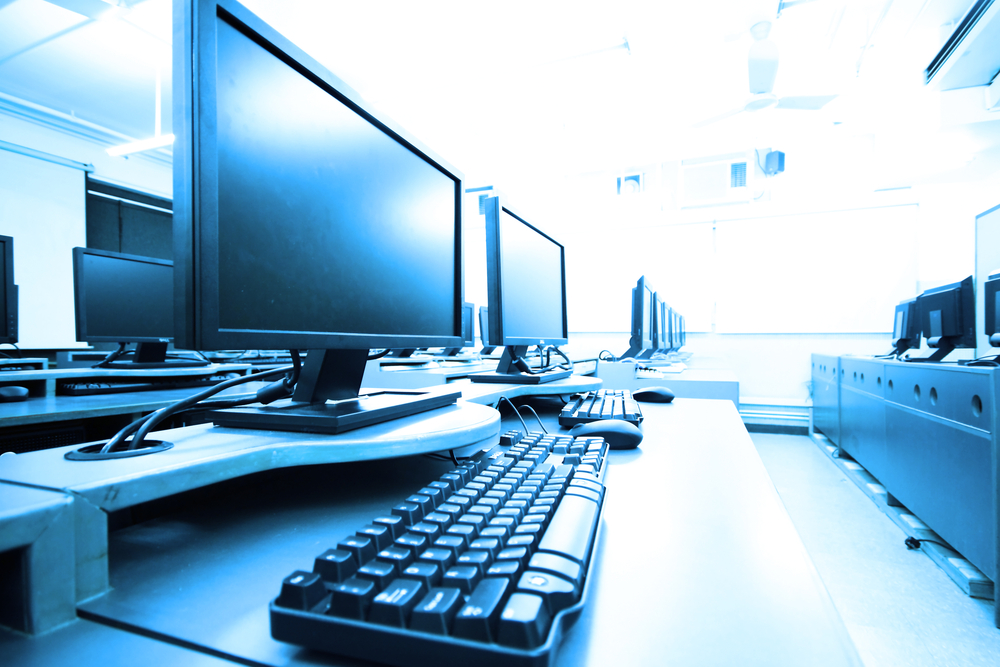
Hardware concerns the physical components of an electronic system. This can be things like a computer, monitor, keyboard, servers, hard drive, RAM, (which is a type of storage location that can be accessed directly – also known as Random Access Memory), and any other type of electronic device that utilises software in any way.
Software consists of the applications and programs used to operate that hardware. This ranges from things like operating systems such as Microsoft Windows, to antivirus software, to any other application you download and install on an electronic device itself
Internet search systems
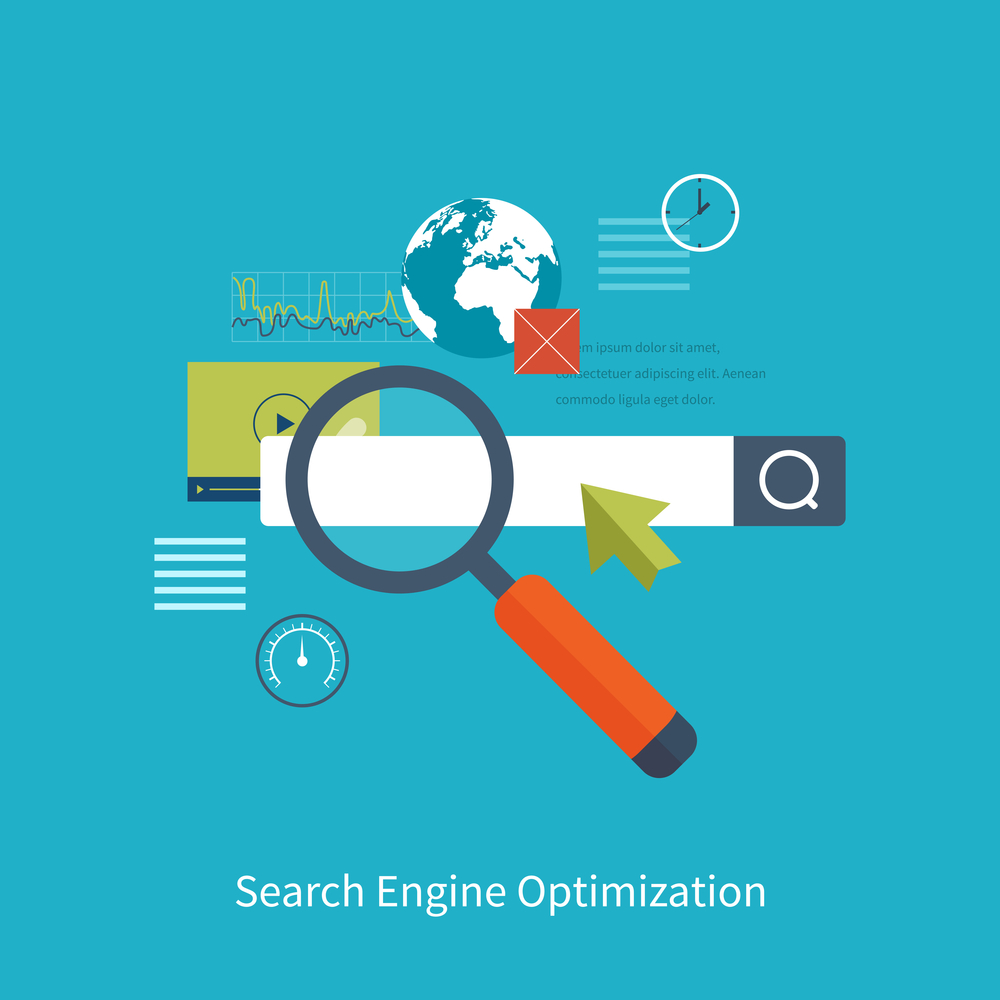
These enable goods to be found in online stores, files to be searched on FTP servers (which is any software that is comprised of 1 or more programs that can execute commands given to it), and other information to be searched and found online
Network administration
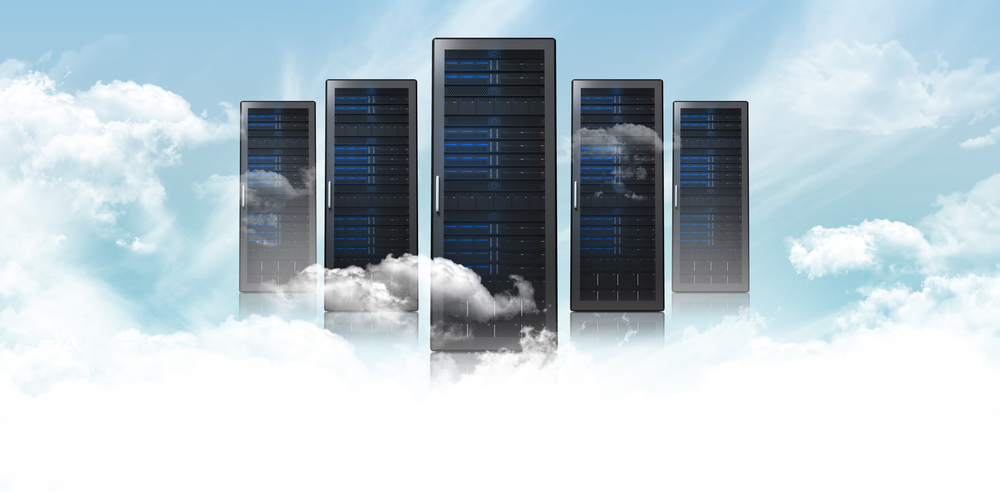
A network is defined as 2 more computers (or other devices) that are connected for the purposes of sharing things like data, storage, printing, or other computational resources depending on the functionality of the device in question.
Networks can be established between things like computers, the internet, smartphones, smart TV’s, printers, external storage devices, cloud servers, and more. Monitoring, optimizing, and maintaining the functionality of such networks is another big focus that many involved in the I.T profession are involved with
Software development
Another big area I.T is concerned with is the implementation and development of new programs and software frameworks in the form of things like applications such as the ones used on mobile apps. It’s also concerned with the development of embedded software, which is the type of software uploaded into machines and devices that enables them to perform their functions. Programming software – such as debuggers and other software that allows designers to create and code for new things, and system software, which enables things like operating systems to run properly. That’s why I.T is an industry is filled with all kinds of different software developers who operate throughout this field today
Software systems
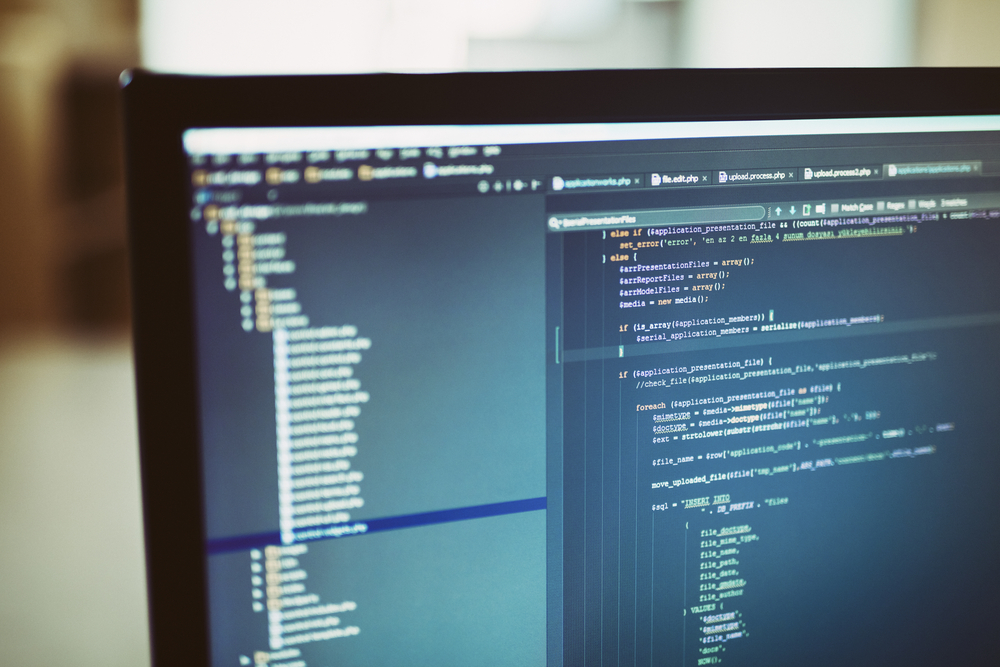
Software concerns the programs and operating systems used by devices like computers. This can be things like CRMs, word processing applications like Microsoft Word, video and photo editing software, web browsers, and so much more… Many of the activities in the I.T industry concern having excellent familiarity with specific types of hardware and software based on the particular industry they provide I.T assistance for. ..and that means being able to competently install, maintain, and troubleshoot issues in those areas accordingly
Server
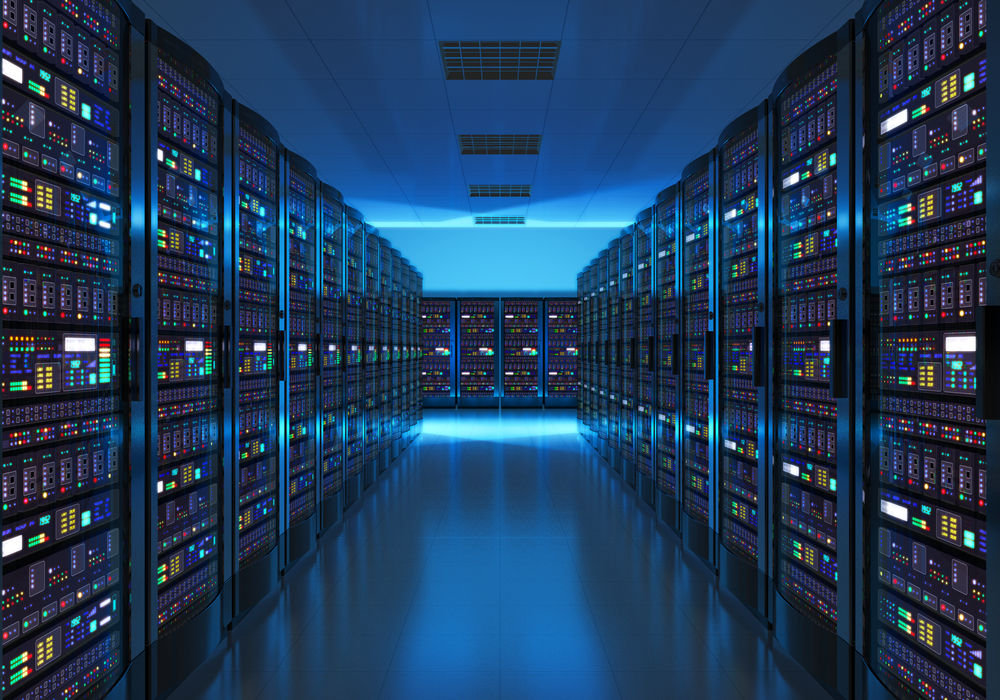
A server is a type of hardware or software providing a service to another computer, device, or program (referred to as the clients). This is another area that those involved with I.T are heavily involved with.
Servers are most commonly used to receive, store, and share data
Telecommunications


This is a massive part of the economy in its own right. It involves the infrastructure and apparatus that allows for communication, broadcasts, and other services that are enabled through the reception and transmission of mediums such as wireless, radio, optical, cable…etc

There are a wide array of careers in I.T, each varying in the amount of technical expertise, experience, and qualifications they require. It’s common for those who work in the field to hold at least one or more certifications – and some of the main ones found in the industry have been listed below
CERTIFICATIONS
Certified in Risk and Information Systems Control (CRISC)
Certification focused on risk assessment. Those who hold this certification will normally go on to perform roles in management such as security managers, operations managers, etc
Certified Information Security Manager (CISM)
Certification focused on system security. This is a very useful certification for those in I.T managerial roles
Certified Information Systems Security Professional (CISSP)
Another certification focused on system security. This is a highly regarded certification in the I.T industry
Certified in Risk and Information Systems Control (CRISC)
Advanced technical certification centered around risk management and systems control. Used by those in roles such as operations managers and business support
Cisco Certified Network Associate (CCNA)
Certification commonly utilised by those in entry level I.T roles. Most often found in specific types of helpdesk support positions
Google Certified Professional Cloud Architect (GCP)
Cloud based certification. Commonly found among those who work on google cloud based systems
Project Management Professional (PMP)
Useful for those whose duties involve the implementation of I.T systems