How to Create your own professional PDP
(Personal Development Plan)
Realistic goal setting

When we consider how to go about setting goals out on our PDP, it’s normally best to set one main goal at a time, with several smaller sub actions leading up to the goal that you want to achieve
For example. My goal is to move up to a supervisory role within the next 3 years. Outlined below is how I will achieve this
- Maintain performance
- Get more involved in the workplace
- Set up workplace alerts
- Look for training opportunities and upskilling
- Get feedback from colleagues (3 things you do well – 3 areas you can improve on)
Thinking ahead by identifying longer term goals first, then working your way back to identify the shorter-term actions you’ll need to take to get there is one of the most effective methods you can use when constructing your PDP

Definitions
A short-term goal is defined as any goal achieved in (1 year or under)
A medium-term goal is defined as any goal achieved in (1-3 years)
A long term goal is defined as any goal achieved in (3 years or more)
Charting your progress
One of the big differences of a PDP versus other types of action plans is that being a career orientated document, with a personal development plan, there is much more focus on progression. How you’ve progressed, and the actions you’ve taken to reach a certain point, even if you don’t achieve the goal itself, is one of the biggest benefits you can derive from your PDP, and it’s what makes this type of document so effective with employers
Sharing your Progress


Another big advantage of a PDP is the way it enables you to share your goals with others. Sharing your progress constitutes an important part of any development plan, and when it comes to a PDP, bringing in others to share your vision with and consult on your goals, especially managers and supervisors, is a highly effective tactic that can not only score you some major points in your place of work, but can also open up further opportunities with your employer in the longer term too
Following on from this, here are some other great suggestions you can do to make the most of your PDP
Share your goals with others…
Think about what you want to achieve by meditating or doing yoga….
Think about your PDP by disconnecting from your surroundings
Celebrate the accomplishments you’ve reached on your PDP by having a night in…
For more on this, see how to create your own action plan
Review your progress regularly

Like with any type of action plan, one of the biggest advantages a PDP provides is the opportunity to review it regularly. This is touted as being one of its main advantages, because when it comes to using a PDP effectively, again, it’s not just the achieving of the goal itself that’s important, but the opportunity it affords you to share your progress with others. This is because as a career document, often times this is not only reviewed by yourself, but also by your manager too…
That’s why with a PDP you should take full advantage of the opportunity to review your progress regularly, ensuring any templates you use always have a progress chart on them, this will allow you to highlight your progress so your manager can see all the effort and hard work you’re putting in to advancing yourself within your organisation
Remember – you can amend your PDP as and when needed

An equally important step that follows on from reviewing your progress regularly. If you feel there’s something that isn’t quite working for you, or feel there’s something you could be doing more of, don’t be afraid to take the plunge and amend your PDP at any point along the way. Doing this not only shows that you have the courage to make challenging choices when required, but shows anyone else who views it that you’re will to put as much effort into it optimising as you can to give yourself the best possible chance of success
Using your PDP effectively
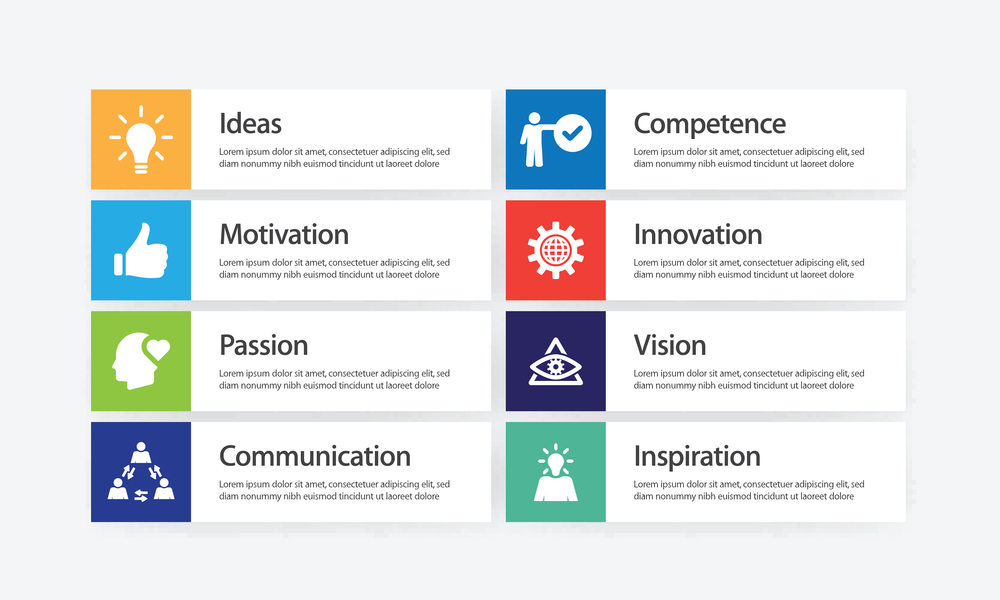
How a PDP is utilised depends solely on the circumstances of the individual in question. While it can be used for many types of different things, one of the biggest stumbling blocks that people often face is simply deciding on what they want to use it for in the first place. That’s why below, we have listed some suggestions to help you decide how best to employ your PDP so you can make the best use of it possible
The goal I will set on my PDP is to achieve a….
Team leader role
Managerial role
Transition into a different role
Night school/ Degree/ Qualification
Increase performance related targets
Maintain performance related targets
Undertake additional training
Meet a demanding physical training target
Improve communicative skills
Improve active listening skills
Work on prioritisation skills
Work on time management skills
Work on emotional disposition (calmness, patience, empathy, etc)
Improve social skills, (useful in sales, for example more charismatic, more confident, more approachable, etc)
Improve your leaderships skills
Spend more building up your networking connections
Character building, (approaching tasks and people in new ways)
Learning a new language
Gain work experience, (either paid or volunteering)
Set up job alerts for internal roles within your organisation
Get more involved in your workplace
Conclusion
One of the biggest advantages you’ll get from utilising your PDP is the ability to review your progress and share it with others. Sharing progress with your line manager or other superiors will not only give you the opportunity to get helpful suggestions and fresh input at regular intervals, but will also allow you to showcase all the hard work and effort you’re making to progress yourself within your organisation too. That’s what makes a PDP something that’s not only really great to use in the workplace, but also something that’s really great to mention in an interview too

With a PDP, when all is said and done, you’ll get out what you put into it…
In today’s recruitment industry, they are associated with employees who are more loyal and more motivated to perform their roles, and on top of this, the advantages they hold for you as a candidate are manifold too…
Not only are they a great way to boost motivation levels, but they are also a great way to give yourself a clear sense of direction so you can be proactive about the actions you need to take when it comes to advancing your career, on top of which – using one is also a great way to help you plan and manage your time better so you can achieve a greater work life balance too
By working hard to achieve the goals you’ve set on your PDP, and by reviewing your progress regularly, you’re guaranteed to achieve great things. A PDP is:
Good for yourself
Good for your supervisor
Good for prospective employers
Lastly, in order to WOW your employer and give yourself great things to talk about in your next interview, you’ll need a really professional template you can use – the best ones you can find are all here. See Interview Professionals Personal Development Plan templates below:
(have a progress column in the template)