How to Create your own professional PDP
(Personal Development Plan)
If you’re serious about your career – a personal development plan is a great thing to have by your side
At its most basic level, a personal development plan is a record of your goals and aspirations, along with the individual steps you have decided to take to try and achieve them. It is a highly effective means of helping you not only to map out what you want to achieve, but of identifying and structuring the actions you’ll need to take to get there.
A personal development plan is regarded as a great way of helping you prioritise the goals that matter to you most, and as such, is something that can help you not only identify your strengths, but also help you identify skills gaps and other areas you want to improve on too. Overall, it is considered to be a highly effective way of helping you get the most from what you want out of your career

Employers respond really well whenever a PDP is mentioned in an interview. That’s because they are proven to be associated with employees who are happier, more motivated, more productive, and more career orientated than those without.
In today’s recruitment industry, a PDP is touted as something that is great for minimizing staff turnover. Because of the impetus it gives employees to want to work to advance their own careers, it’s also touted as a great way of making happier and more productive employees too, and has the added the benefit for both you and your employer of allowing managers and supervisors to follow along with your progress.
That’s why referencing a PDP in an interview can go a long way to showing how proactive and serious you are about your own career development, and as such, can score you some big points in the interview itself
Overall, making use of a PDP not only shows an employer that you are career orientated and motivated to succeed, but provides them with a tangible record of how proactive you’ve been over the course of your career, going as far as to provide them with a detailed outline of the steps you have taken over a given period of time to advance and continuously improve yourself within your role
Moreover, a personal development plan is something that can not only be used to help plan out important steps along the path of your career, but can also be used to map out personally orientated goals too
All in all, having a PDP at your side can provide you with more confidence and motivation when you need it most, giving you a greater chance of success by helping you plan out the steps you need to take to achieve the career goals that are most important to you
Personal development plan vs. action plan

People sometimes ask what the difference between a personal development plan and an action plan is, and the answer is normally this – not a great deal
While a personal development plan (PDP) is geared more towards official work and career orientated goals, an action plan is regarded as being more suitable for personally related goals and extracurricular endeavours, although in actuality, these terminologies and the associated templates used for each are normally interchangeable, and in terms how you plan out and structure your goals themselves, the steps you’ll take are often very similar
Employers, and those involved in the recruitment field in general, overwhelmingly identify with the term Personal Development Plan, when discussing career and job-related lines of work, so for this reason it’s advisable to use the terminology Personal Development Plan – whether it’s an action plan or personal development plan your referencing in your next interview
Interview Professionals Guide to Writing a Great PDP
As a document, your personal development plan is important not only for your career progression, but also for your own sense of pride and well-being too. How you go about setting this out can make all the difference not only in regards to how successful you are when it comes to achieving your goals, but also when it comes to the overall effectiveness of your PDP on others who might view it like managers and supervisors too. In this regard, there are plenty of things you can do to ensure your PDP is as impactful as possible, and we will examine these below:
Employing the SMART acronym is one of the first and most basic things you should do whenever constructing your PDP. By employing this methodology to each action you set, it will ensure your PDP is as well balanced and easy to follow. On top of ensuring the goals set you set for yourself are more achievable, it will also help to ensure that the steps you need to take to get there are sensible and realistic too
S – is for Specific

Be specific about what you want to achieve. Doing so will help to ensure you get the best results from any action plan you create
‘My long term goal is to be a supervisor in the organisation I currently work within the next 5 years’.
M – is for Measurable
When you write out your goals make sure they are measurable, in that there is a clearly defined goal that you can measure your progress against…

Steps I will to achieve this
- Maintain performance
- Get more involved in the workplace
- Set up workplace alerts
- Look for training opportunities and upskilling
- Get feedback from colleagues (3 things you do well – 3 areas you can improve on)
A – is for Achievable
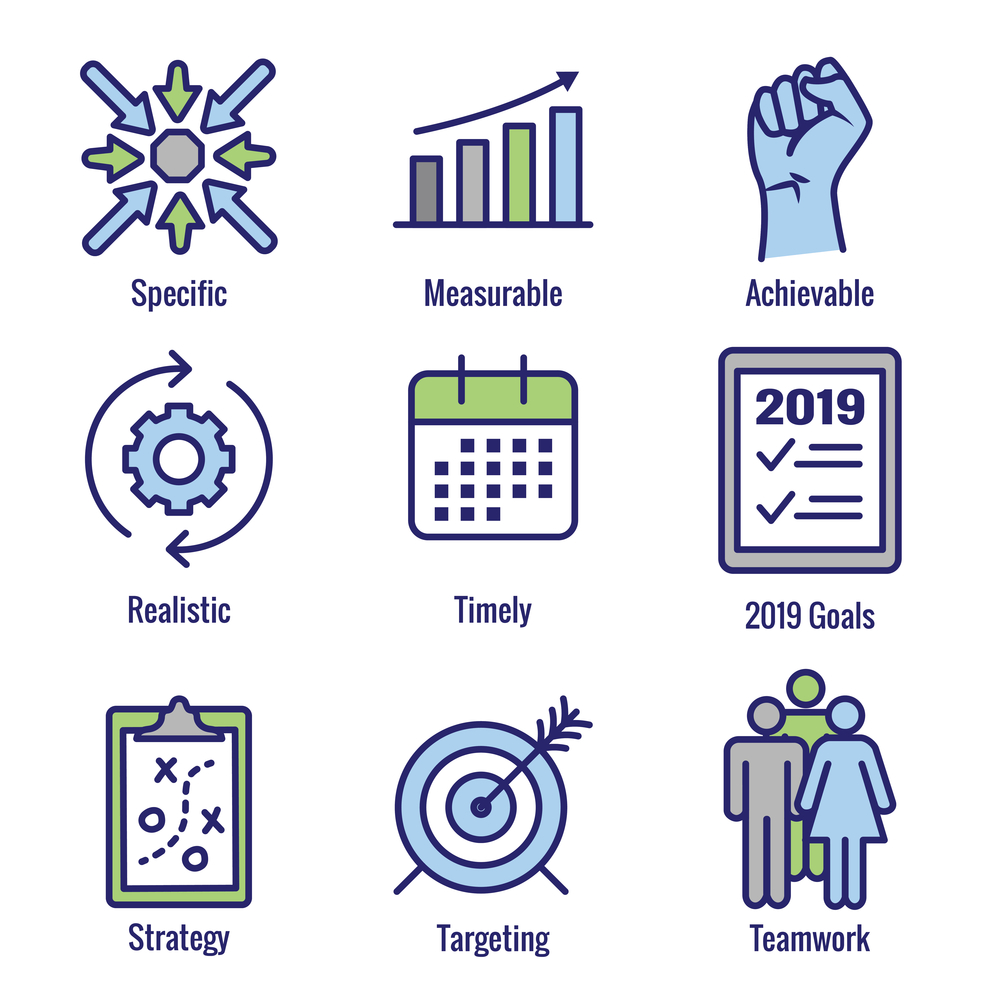
Achievable goals are very important – if the goals you’ve set aren’t achievable, not only will you face disappointment when you don’t achieve them, but you’ll also expend valuable time and effort in the process, and be no closer to what you are ultimately trying to accomplish at the end of it all
R – is for Relevant

If your goals aren’t relevant, not only will you find you’ll have to push yourself harder to accomplish them, but a further downside is that even though you might do so, they’ll not bring you any long term satisfaction. For this reason, make sure the goals you set for yourself are ones that are relevant to your overall plans for the future
T – is for Timely

Setting goals in a timely fashion will not only give you a better chance of achieving them, but by setting a challenging but realistic timeframe it will make you more likely to work harder, giving you more motivation to achieve them, which is precisely the point of having an action plan in the first place
- Maintain performance ongoing
- Get more involved in the workplace (3 – months to 1 year)
- Set up workplace alerts 1 month then ongoing until goal is achieve
- Look for training opportunities and upskilling
- Get feedback from colleagues (3 things you do well – 3 areas you can improve on)

Things to think about
When constructing a PDP, sometimes it can be difficult to know where to start. That’s why below, we’ve outlined some suggestions that will help you think about the things that matter to you most, and the steps you’ll need to take in order to achieve them
What do you want from your career?

(Thinking about this most fundamental of things is your first and most important starting point when deciding on any goal as far as your PDP is concerned)
What are your longer-term goals?
(Think about where you want to be in 5 year’s time. Outlining longer term goals is a great strategy that allows you not only plan out your longer term aims, but also enables you to build back from this and think about shorter term objectives too)
What do you think would make the biggest difference in your career?

(Identifying this can be really helpful if you’re short on ideas about what goal to put on your PDP)
Is there something you’ve always wanted to do but never got around to doing?

(Again, if you’re struggling for ideas, this could potentially be a great starting point out as a goal on your PDP)
Note down the milestones you’ve achieved and things you’ve successfully done in your career thus far

(This practice can be really useful if you’re struggling to think of a goal to set yourself, and also helps you identify your strengths in the process)
Why do you want to achieve the goal you’ve set out on your PDP?

(Knowing this will not only help you better plan out the shorter-term steps you’ll need to take to get there, but will also help you think ahead to longer term goals too. Moreover, it will help you better verbalise your goal to people like managers and superiors)
Consider the goal itself – what will it provide in terms of opportunities both in the near and long term should you achieve it?

(Again, Knowing this can help you plan better for the future and help you think ahead to more longer term ambitions)
What difficulties do you expect to encounter when it comes to achieving your goal?

(This is a fundamental area that you’ll need to fully consider whenever planning out a PDP. Anticipating the problems you might encounter will not only make you more prepared to face them, but will also help you plan out the shorter term steps you’ll need to take to overcome them too)
What are your strengths?

(Knowing your own strengths is a fundamental part of any preparation wherever a personal development plan is concerned. Even if they don’t seem relevant to the goal itself, by writing out your strengths and defining them in your own words, it will give you the opportunity to consider them fully so you can leverage them in the most effective ways towards the goal in question)
Areas of improvement
(Can you identify any areas you need to improve on? Knowing this can be essential when it comes to outlining the steps you’ll need to take to achieve your goals. It can also be very useful when it comes to explaining the progress you’ve made on your PDP to others who view it, like your superiors)
Seek input from others before you begin
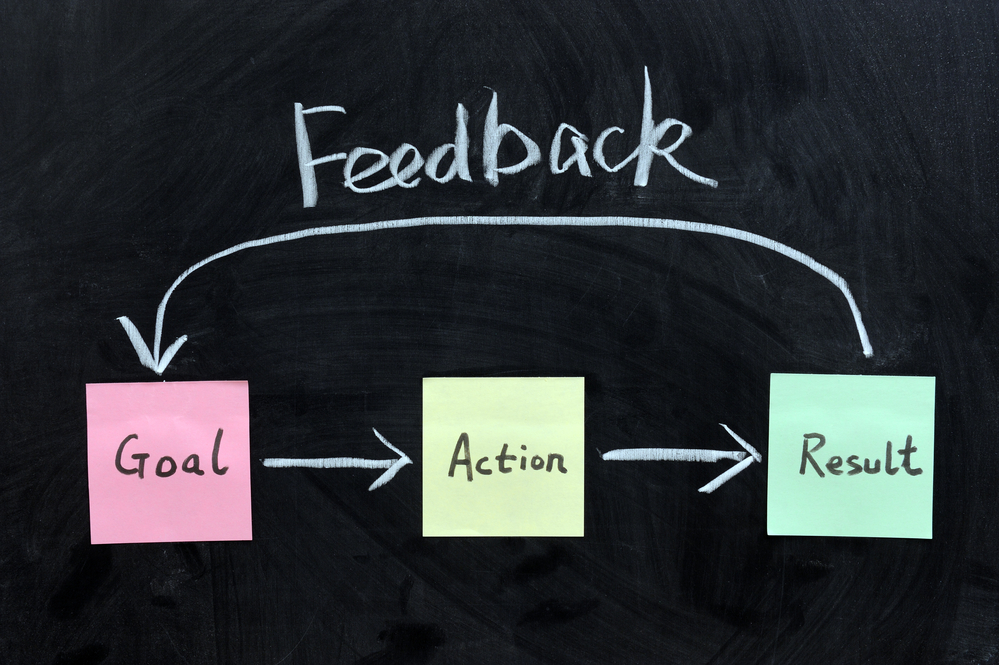
(What have friends and colleagues said are the strongest parts of your job-related performance? Have they mentioned any areas you can improve on? Having the input and perspective of others can be a much keener way to assess your own strengths and shortcomings. If you can’t think of any feedback you’ve received recently, why not ask someone you know for some?)
What support do you think you might need?
(This could be things like additional training, funding, equipment, etc. You’ll need to know this before you decide on all the steps you’ll need to set out on your PDP)
Are there any help sources, people, organisations, government, or company schemes, that may be able to assist you?

(It’s definitely worthwhile doing some research into this before you begin starting on your PDP – knowing this can be invaluable when it comes to completing your goal itself)