
Interview Professional’s Step by Step Guide to an unbeatable career portfolio from start to finish
Note that the steps outlined below are recommended guidelines that can be amended or re-ordered as you feel necessary

STEP 1 – START OFF WITH A GREAT PERSONAL BIO
The best way to give employers and clients an in-depth look at your work is to connect with them on a personal level by giving them an insight into who you are. Introduce them to your portfolio by sharing a bit of yourself with them. Do this by sharing your hobbies and your interests with them, and then share even more of yourself with them by giving them a brief synopsis of your history and personal background. (A good practice is to add things that are career relevant here if possible)
Listed in the personal bio section should be your name, phone number, email address, and links to any other relevant professional career profiles you hold on other social media accounts

STEP 2 – NEXT GIVE YOUR CAREER SUMMARY
This should take up about the space of a very long paragraph – 2 at most.
You don’t need to go in-depth here, as you will include your full C.V in later sections
The whole purpose of the career summary is to briefly touch on any roles that are relevant to the work samples showcased in your portfolio. This has the effect of giving the reader a feel for your career background ahead of being introduced to your C.V itself, which is why it’s a very useful step because you’re in complete control of how you present this summary to your reader. The most effective way to write a career summary is by sounding as enthusiastic and upbeat about past and present roles as possible.
For example, ‘I spent 4 amazing years working at 123 where I assisted our great clientele with all of their most important project design needs. I then decided it was time for a new challenge, and was delighted when I got the chance to work on an amazing graphic design project with XYZ, where I enjoyed a further great two years’.
End your summary with a catchy 2- or 3-line career philosophy statement to highlight how serious and passionate you are about the work you do. This will ideally touch on what value you’ll be able to bring to the role, along with what your career goals are over the next 3 to 5 years. For example:
‘I believe quality vectors are the key to great digital platforms, that’s why my goal is to continue making quality vector designs for my diverse range of clientele’.

STEP 3 – PROVIDE A LIST OF YOUR SKILLS AND EXPERTISE
The next step is also highly important as it summarizes your most relevant skills ahead of introducing your C.V to the reader
Do this by providing a short list of up to 5 key skills that are most relevant to your portfolio. These should ideally be listed somewhere on the personal statement or description of job duties listed in your C.V
When listing your skills, always go with those that can be referenced to from your C.V first, putting any skills or qualities gained from personal walks of life further down the list. Just like your C.V/ resume, it’s important you tailor your skills list as much as possible to the employer or client in question
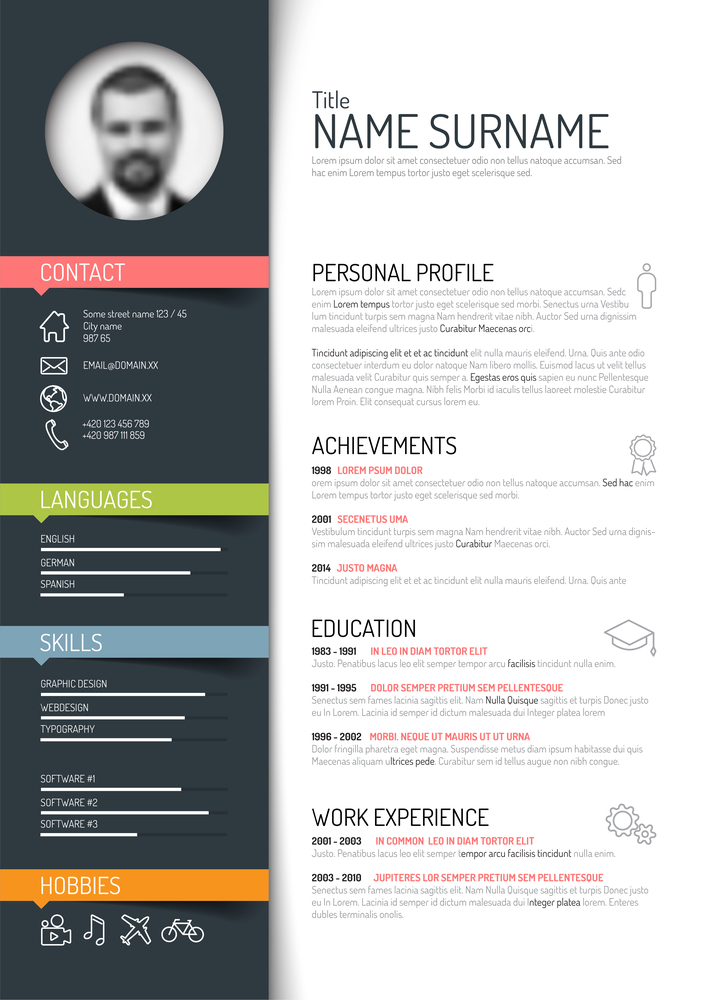
STEP 4 – INCLUDE YOUR C.V OR RESUME
This is one of the most important areas of your portfolio
It’s very important that your resume/ C.V is up to date, with the job descriptions and personal statement tailored as much as possible to match the requirements of the employer or client viewing it

STEP 5 – APPLY YOUR WORK SAMPLES TO YOUR PORTFOLIO
This is where all the presentation you’ve put in so far pays off
Your work samples are the crown jewel of your portfolio
All the work you’ve put in up to this point is for this part of your portfolio here.
Start your work sample section off by giving a short synopsis of between 1 to 2 paragraphs, introducing the reader to your work samples themselves. The purpose of this is to provide your reader with an overview of your work, in the process giving your reader a further insight into who you are and how you work both as a person and as a professional. This overview is important, because it leads the reader into the samples themselves, and there are several different approaches you can take when writing this. The most successful approaches include you using the overview to explain to the employer or client what your work samples mean to you, as well as using it to tell them about all the great results your work has achieved for clients and employers thus far. You can also use it to talk about the challenges encountered during the course of producing your work and how you overcame them, and it’s also highly advised to include what you aim to achieve with your work going forward in the future with this introduction as well
Quality Vs. Quantity
It’s very important that you showcase your best work samples only!
Quality over quantity is definitely the rule where showcasing your work samples is concerned, and you should never select any lower quality work just so you can include more samples in your portfolio. When deciding on what samples to add, it’s also important to be versatile so that the audience gets to see the full range of work you are capable of. Samples should ideally come from work related areas, but if you have quality samples from work you did in university, or samples from non-work related areas like activity groups, teams, or clubs, or any other quality work you’ve made in a personal capacity, if it’s relevant to the skills you are showcasing, you should include them here as well
The Layout
The other essential area you need to consider when planning out your work sample section is layout of the work samples themselves
There are several ways you can do this, and ultimately, this comes down to your own personal preference and the way you feel your layout best suits the style, aesthetic, and industry your portfolio is concerned with. No matter what layout you choose, always remember to start and end your portfolio with your strongest material
Different options for laying out your work samples:
- Showing improvement and progression is one good way to present your work samples, that’s why arranging your work samples from oldest to newest is one of the most common ways that work samples are arranged
- Another way to organise your work samples is in the form of categories. Categories can be a highly effective method in certain types of portfolios. For instance, if your portfolio pertains to a multi-faceted field like project management, you might be able to present your work samples more effectively by showcasing them in different categories, each representing a different facet of the types of projects you were working on
- Grouping your work together according to the employer or client you created it for is another common way to arrange a work portfolio. This is another highly effective method because it gives you the scope to explain the impact your work has had for specific employers or clients, and lets them visualize this first hand
- Work samples created on the job, versus work samples created in your own personal time, is also another way to showcase your work samples. This will allow readers to compare and contrast your samples, giving them an in-depth feel and allowing for a deeper contemplation of the work you’re presenting
- If you’re looking for a more adventurous approach, there are various other ways you can potentially arrange your work sample section. From your favourite to (most) favourite samples, from most customer-liked or viewed samples, or even the best liked customer-reviewed samples (this is where you would provide an excerpt from a customer review above each sample)

Other suggestions are things like most successful work as per sales revenue/ campaign (which you could plot on a chart or graph), highest success rate, OR, lowest failures or loss ratios, (which you could also plot on a chart or graph)…
These are just a few of the most common suggestions, although in reality, you could create a category for just about anything else you can think of
These approaches have the advantage of providing with you a highly effective platform that will give you the ability to be able to convey things like what your work means to you, how you went about achieving the results you did, what your work has achieved for the clients or employers who’ve hired you, along with so much more…
Overall, there are numerous different layouts you can use to present your work samples with. The challenge you’ll face is choosing the one that most effectively conveys your work to your audience, and this is something that should come to you intuitively through hard work and effort as you piece together the areas of your portfolio until it’s a finely honed and polished professional document. Remember that whatever layout you choose, it’s the honesty and enthusiasm you use to present your work samples themselves that will show through and have the biggest impact on the people reading it
Describing each work sample
In the same way you provided an overview at the beginning of this section, you should continue this on with a short descriptive passage above each sample in your portfolio. This will further help your reader understand your creative journey, and will help them appreciate the professional undertaking of your work itself. These descriptions should be short in length, ranging anywhere from a single sentence to a full paragraph at the most.
Such descriptive segments are highly valuable because they’ll help you present these work samples and enable you to contextualize them in a way that will allow for a greater understanding and appreciation of them from your audience
You can talk about the same type of things that you did in the initial overview of the work sample section itself if you want, giving brief explanations of what each piece of work means to you, telling your readers about the results that a specific piece of work has achieved for clients or employers, talking about challenges encountered during the course of producing a given piece of work and how you overcame them, or using some of your samples to explain what you aim to achieve with your work in the future (normally best for samples included at the end).
There are other things you can talk about too. For example, you can include the great feedback others have given a particular piece of work, (and this is an especially effective tactic when you include customer reviews and testimonials).
Sometimes it can also be useful to give include additional types of information too, such as the date, location, and even the type of work itself, and this can help you personalize your work even further. On top of this, you can also consider adding charts, infographics, or other statics to compliment the descriptions you’ve given and make your work samples stand out even more
Artwork, photographs, digital images, videos, audio work, project summaries, reports, statistical data, news excerpts, typography, literary excerpts, (literal work samples should include examples in both short form and long form)…
…are all examples of what types of quality work samples can be included in a career portfolio
Remember that work samples can also take the form of information, infographics, charts, and graphs as well, and these are all effective tools that can be used to convey career achievements too. Such methods are usually most effective when composing portfolios in fields such as law, human resources, recruitment, and sales, to name but a few, and without the presence of more prolific kinds of artwork, audio, visual, or literary samples – graphs, charts, and infographics can all be used in their place to convey information from past or present career achievements in the form of things like impressive sales figures, solid statistics from customer satisfaction ratings, or even interpretations and inferences for potential growth and expansion drawn from statistical results, and with a bit of imagination and creativity, you’ll find that these types of information can all be included as work samples to convey your proudest accomplishments from any multitude of different roles
STEP 6 – LIST ANY QUALIFICATIONS AND ANY ONGOING PROFESSIONAL DEVELOPMENT ACTIVITIES
List any academic higher educational qualifications next, (even those already listed on your C.V), including any educational transcripts themselves, in this section here
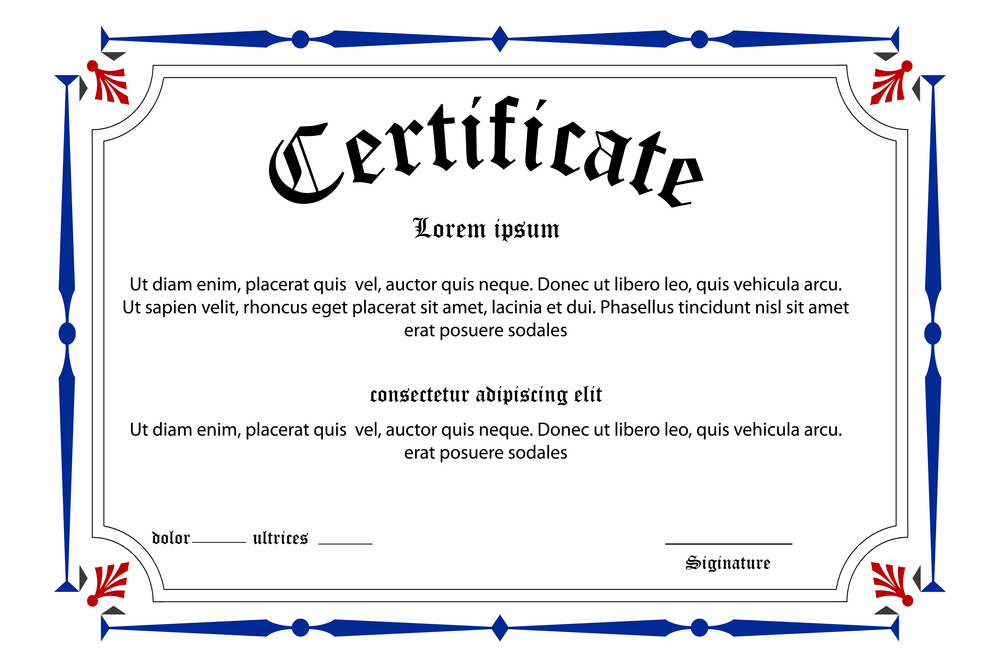
Also list and provide any other accreditations and certifications, including copies of licenses or certifications, as well as any other training relevant to the skills outlined in your career portfolio. This not only includes things like accreditations and certifications themselves, but should also include other types of professional development activities and experience such as seminars, or even work-related duties if they stand out as notable and relevant to the skills outlined in your portfolio. As an example, excerpts from an event schedule from a time where you facilitated an important meeting or event is one example of something that could be included (as long as no non-disclosure agreements are breached)
It’s usually easier to list these achievements in the same way you on your C.V, from most recent to least recent, although some people may also choose to list these in categories too. For example, they may list qualifications, accreditations, and certifications in one category, then list other types of relevant experience and on the job training from (most to least recent) in another category
*Only use photocopies when providing certificates and qualifications in a portfolio
STEP 7 – LIST ANY ONGOING WORK PROJECTS AND WORK RELATED AFFLIATIONS

Adding working drafts, ongoing studies, unfinished work, or affiliated work where you’ve collaborated on projects with others can be a great way to explain your creative thinking processes to prospective employers or clients who view your portfolio better than any written explanation or interview conversation ever could
This can be highly advantageous when looking to secure employment, because, as mentioned earlier in this article, one of the main priorities any employer has when hiring for a vacancy is to understand how you as a prospective candidate work, that’s why, adding past work drafts and other things that show your creative work processes in action, and furthermore adding effective, upbeat, explanations that further explain these processes alongside them, is a great way to provide them with the insight they are looking for
STEP 8 – LIST ANY AWARDS AND MILITARY SERVICE RECORDS
Although you will have listed it in your C.V, the next step on your journey toward designing a one of a kind career portfolio is to create a heading for any awards and military service if you have any
Irrespective of how relevant they may or may not be to the skills outlined in your portfolio itself, any awards, and in particular military service records, can be highly impactful when listed on a career portfolio. That’s because they are held in very high regard by most employers and are normally taken into consideration when looking to offer a person employment, therefore, they act as a kind of character reference for employers and clients, speaking both to your reliability and to the standard and quality of your work
Any experience listed should go from most to least recent – although some people choose to list any relevant awards and military service under two separate categories, which is fine to do as well
STEP 9 – LIST ANY RELEVANT COMMUNITY SERVICE OR VOLUNTEER WORK YOU’VE COMPLETED
If you have any relevant community service or volunteer experience, make another heading and include it next, even if you’ve already listed it in your C.V. Doing so serves a very similar purpose to Step 8, in that it further acts to build your character in the mind of the reader, telling them that you not only have the requisite experience they need, but also the requisite character to go along with it too
Any experience listed should go from most to least recent – although again, some people choose to list any relevant community service and volunteer work under two separate categories, which is fine to do as well
STEP 10 – THE LAST STEP IS TO LIST YOUR REFERENCES
When creating a great portfolio, the icing on the cake is to have great references you can add at the end of it. This makes you come across as not only experienced and accomplished in the eyes of anyone who views it, but also lends your portfolio the credibility and professional legitimacy that it needs

Colleagues, supervisors, clients, and past employers can all make great reference sources. This can come in the form of general references, letters of recommendation, or even testimonials left by satisfied clients and customers
List your strongest references first. Also, try your best to include references from at least 3 different sources (anything less is considered insufficient for a strong career portfolio)
• Remember to provide the relevant names and contact details for your reference sources beside each one you list

These are all the steps needed to create the ultimate career portfolio
Doing so can take time, effort, and commitment, but the reward will be an amazing document that not only highlights your most important career accomplishments, but that also outlines the expertise and unique talent you naturally possess. This is a lifelong document that you can update and use in many different ways over the course of your career. More than this though, it is a personal achievement you can be proud of, and putting aside the immense professional benefit a well-constructed career portfolio will bring, just creating one will give you an amazing sense of pride and self-purpose that will continue to last you over the course of a long and rewarding career
In order to see a great career portfolio in action, you should have a look at Interview Professional’s ultimate career portfolio example next
Go here