Creating the Ultimate Career Portfolio
(from Start to Finish)
Second Opinions
Great work
You’ve just put the finishing touches on your newly created career portfolio, it looks stunning and you’re really proud of what you’ve accomplished. You’ll be anxious to show it off and get it out there to the masses. But before you do that though, there’s another important step you should always take first – and that is to always get a second opinion
Second opinions are essential when an important professional endeavour like this is undertaken as they’ll give you an important insight into how a potential audience will perceive your work. You can expect impartial, objective, constructive, and non-judgemental feedback from the people closest to you. That’s why friends, family, and work colleagues are all great sources to turn to when asking for feedback on something as important as your career portfolio. Also, seeking feedback from clients or employers in instances where you’ve been unsuccessful in securing work can also be a highly insightful and rewarding experience too, (although they won’t always provide it) when they do, you can use such feedback to tailor and hone your portfolio even further, creating a more effective and stunning portfolio in the process

Engage with the employer
One of the big aims any employer has when considering you as a prospective candidate is to learn more about who you are as a person. For this reason, the more they feel they’ve learned about you, the more successful your career portfolio is likely to be. (This is true not only when prospecting for work with a career portfolio, but also in an interviewing scenario too). To this end, you want to make a great personal bio, and give as much insight into your background as possible

Give your audience an Insight into who you are as a professional
Along the same lines as engaging with your audience, giving your audience an insight into how you operate as a professional is crucial when it comes to making an effective career portfolio too. If an employer feels they have an gained insight into how you work, they are likely to be more trusting of you and more likely to accept whatever it is you tell them you can bring to their company.
To this end, not only showing finished projects and work samples in a work samples section, but also showing any ongoing work projects and any work-related affiliations by adding an ongoing work projects and work related affiliations section near the end of your portfolio, is a great way to do this
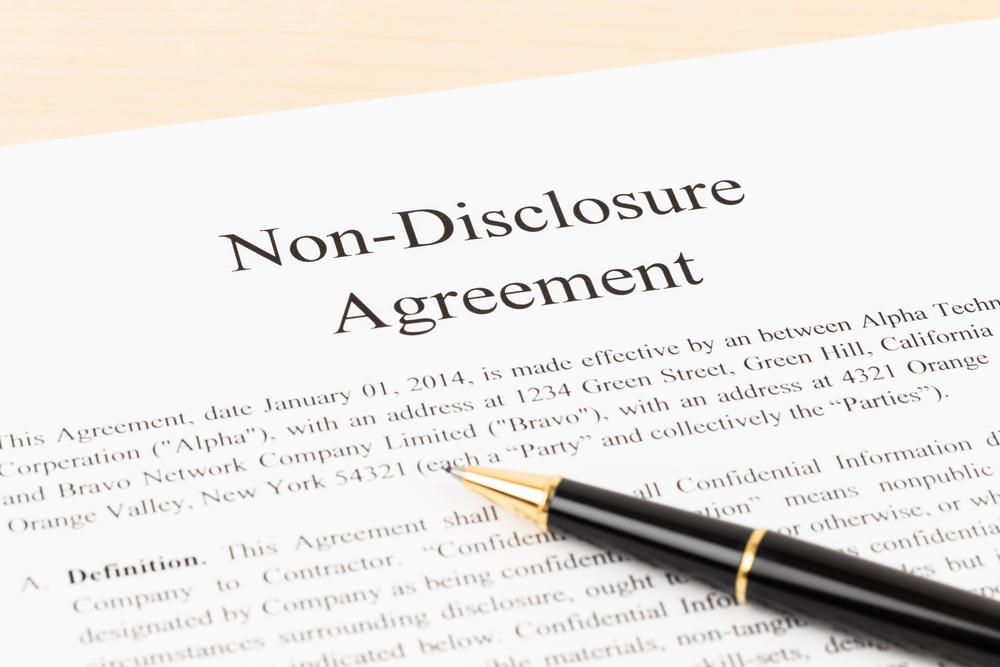
NDAs (non-disclosure agreements)
Be wary of what you put into your work samples. Some companies will have NDAs (non-disclosure agreements), therefore, if you add work samples that fall under the scope of these, it could get you into trouble. Therefore, consider the legality of any work samples carefully first before adding them

Showmanship
Ultimately, a great career portfolio is all about showcasing your best work and presenting it in the most engaging way possible. So before you even begin, have a good think about what you want to convey in your portfolio, and what companies you are trying to showcase your portfolio to.
A career portfolio needs to be many things if you want it to be truly successful. It needs to convey not only your skills and career aspirations, but also provide an impressive and engaging background and context for your reader too. It’s imperative that’s it’s straightforward and easy to navigate, but more most important of all, it needs to provide an impressive setting from which to showcase the best samples of work you have to offer
Now that you’ve had a look at our detailed overview of what goes into creating an unbeatable career portfolio, if you want to know even more, next you should take a look at Interview Professional’s Step by Step Guide to creating an unbeatable career portfolio from start to finish
Interview Professional’s Step by Step Guide to an unbeatable career portfolio from start to finish