
Armed Forces
Armed Forces
On this planet, armed forces are responsible for conducting military actions on behalf of the state, and are also relied upon for the protection of the same. Not only does this mean they need to take appropriate steps to ensure they have the necessary equipment and resources in place to be able to secure a nation’s borders, cities, and infrastructure, but through military preparedness, but it also means they need to maintain a readiness to take military action overseas if called upon, whether it’s to secure that nations external holdings and interests, or occupy new territories to increase and expand that nations wealth, resources, and overall global power
Many independent nations exist on earth today, the vast majority of which each have their own armed forces. This means that there is a strange interdependency and global dynamic that binds the actions most armed forces can take because of international markets, treaties, international laws and alliances, and so on and so forth. This means that only the most powerful nations are normally ever able to take unilateral military action as and when they feel it’s the right thing to do
The Armed forces, collectively referred to as the military, is an armed component of a nations apparatus that is concerned with warfare within both a domestic and an international theatre of operations. This means that armed forces will be used in different ways depending on the country and political ideology of the regime in question. Some military forces are relied heavily upon for population control and to quell civil unrest, while others are used primarily as invasion and occupation forces, while others still will be used to varying extents between those two extremes

A career in the armed forces may also require you to work away from home for long periods of time, either in different parts of your country on training exercises, or in active military operations in different parts of the world, depending on the branch of service you’re enlisted in and role your performing. Getting to see other parts of the world is often considered to be one of the main perks of military service, but this can sometimes put a strain on family life, adding additional pressure to the role you’ve pledged to perform. In addition to wartime functions and peacekeeping missions, there are other duties that armed forces sometimes get called upon to perform too. These include things such as urban pacification, humanitarian relief, logistics and infrastructure related projects, social ceremonies such as honour guards, and more…
Several different branches of service exist within the armed forces. Depending on the extent and technological sophistication of the country in question, these are most often compromised of the army, navy, air force, marines, coast guard, special forces units, and more recently, in more advanced militaries across the globe, space warfare branches
Each branch of service plays a different role within the overall military apparatus:

Army is concerned primarily with land warfare

Marines are concerned with land-based warfare, and are also often used in escort roles on large frigates or aircraft carriers where additional manpower is required
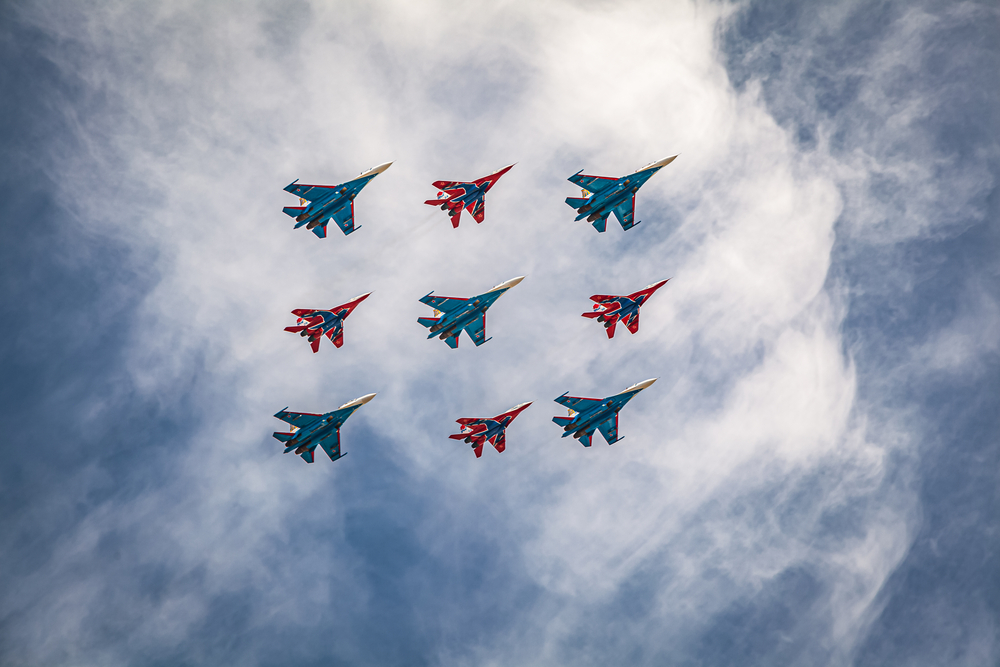
Airforce is concerned with air combat and air based engagements
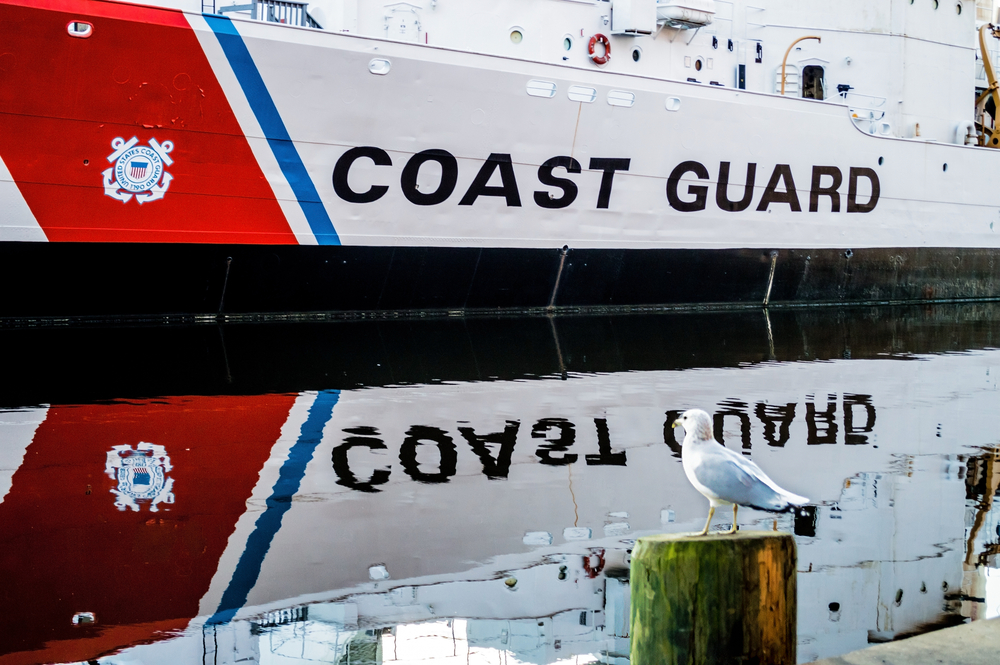
Coast guard is involved with patrolling a nation’s coastlines, and is sometimes involved in immigration and drug operations as well
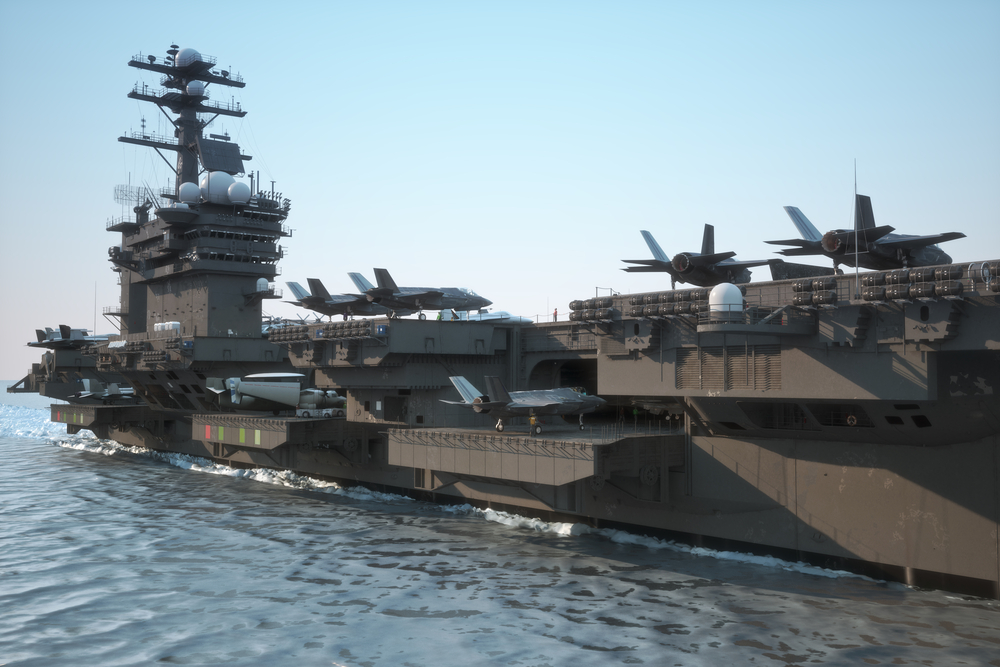
Navy is involved in naval warfare and patrolling duties at sea

And the Space Force branches are involved in space based theatres of operation
Within each of these branches of service there are many different types of ranks and functions, and within each of these different functions there are many different kinds of roles you can perform
Pay can vary considerably based on rank and occupation, with more specialised roles, especially those requiring formal qualifications at degree level, earning more. There is also a considerable disparity between the pay, benefits, and other conditions enjoyed by the officer and enlisted ranks
Depending on the country and the branch of service, there are sometimes minimal terms of service. This is normally between 3 -5 years in most countries. In other countries, conscription into military service may be a mandatory requirement

Age and physical fitness are normally underlying requirements to enter military service, and while each branch may have slightly different requirements, they all tend to be very similar. In most countries, you’ll need to be 18 – 25, physically fit, and with no underlying health conditions if you’re looking to enter military service. The military differs from many occupations as its often regarded as more of a lifestyle than it is an occupation. There is also a degree of flexibility with some branches of military service in that in addition to regular full-time service, there are also reserve or auxiliary units like the national guard. These can sometimes suit people better if they already have a primary job or career but want to earn an extra income or serve their country for patriotic reasons without committing to full-time service. In this way, they are also able to derive many of the benefits that come with such service, which in many countries can include things like health benefits, pensions, educational financial assistance, and other discounts and perks offered by companies with military affiliations

Others use military service as a stepping-stone, and not only is it very useful to have on a resume when transitioning back into civilization employment, but it’s an established fact that a military background is something most employers will almost pick up on and is something that can give you a big advantage in an interview. Military life provides a stable background for many people, with a steady income, social circle, and job security that is very rarely surpassed in any other any occupation. There is also a heavy emphasis on training and physical fitness that is an underlying part of the job too. Without any access to longevity or other types of physical enhancements to speak of, this is another thing that most individuals residing on this planet also tend to find highly beneficial. While almost all roles, even the skilled ones, are considerably underpaid when compared to identical or related occupations in the civilian sector, there is a highly career orientated structure prevalent throughout all branches of military service, perhaps more so than in any other profession or area of the economy. This provides further stability for those serving in the armed forces, which can many times make up for the subpar rate of pay. Because of this, it means for those willing to commit the time and make the effort, they can look forward to an almost guaranteed career path to progress through which is hard to find in almost any other occupation
When joining any military branch of service there is however another element that always needs to be considered, and that is the factor of risk involved to you as an individual. This risk will vary greatly depending on the branch of service you are in, what vocation you perform within that branch, and on what region in the world you live in, as there are all sorts of regional and national conflicts that occur year upon year around the globe
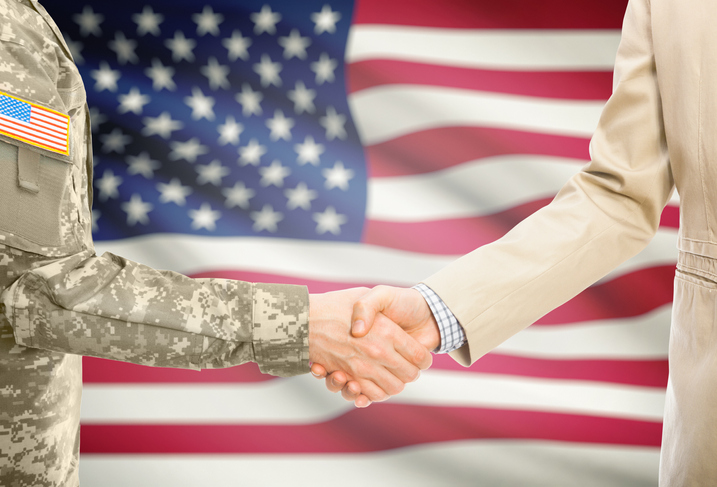
Doing well in a military service interview
Doing well in a military service interview is often alot easier than you think. To begin with, military service is based around the ideal of duty towards country, where the needs of the individual are discarded for selfless deeds in service of the nation. That’s why, the very first thing that will give you an advantage is convincing your recruiter of your patriotic motivation behind wanting to commit to this line of service. On top of this, military life provides a tight knit and comprehensive social circle, and many times, you’ll be living alongside the people you’ll be working with 7 days a week. For that reason, when talking to a recruiter about entering military service, emphasising how teamwork orientated you are is always a good tactic to use. To this end, if you’ve played on any sports teams in school, participated in any clubs, or taken part in any other afterschool, afterwork, or other social activities, emphasising the teamwork you utilised during the course of those pursuits will always come across very well indeed. Also, military service, especially at entry level, is all about taking orders, and almost any role you go into will almost certainly involve on the job training too. That’s why another great tactic to use is to emphasise how trainable you are, tying this in with how well you can take orders and follow instructions, as well as how much you really want to learn new skills. Following on from this, the other tactic you should always be looking employ is to play on what are normally perceived as the main benefits of the role. Do this by showing your recruiter how good a fit you are for the role by convincing them how motivated you are to do things travelling, keeping physically active and healthy, and above all else, given the highly career-orientated structure of all military service, how much you are really looking forward to developing a long and successful career in the service of your country